


The way entertainment content is created, distributed, and consumed has changed significantly. The traditional studio system has given way to a more decentralized model, with independent creators and producers producing content for online platforms. The rise of niche platforms like Twitch, Crunchyroll, and Spotify has catered to specific audiences, providing content that resonates with their interests.
The entertainment industry faces several challenges, including the rise of piracy, the need for greater diversity and representation, and the impact of social media on traditional business models. However, these challenges also present opportunities for innovation, creativity, and growth. The industry must adapt to changing audience habits, technological advancements, and shifting cultural trends. Tushy.23.07.08.Sawyer.Cassidy.Win.Win.XXX.1080p...
The advent of television in the 1950s revolutionized the entertainment industry. TV brought entertainment into people's homes, making it possible for families to gather around the screen and watch their favorite shows. The 1960s and 1970s saw the rise of popular TV shows like "I Love Lucy," "The Beatles," and "The Godfather." These shows captivated audiences and helped shape popular culture. The way entertainment content is created, distributed, and
Today, streaming services dominate the entertainment landscape. Netflix, in particular, has become a household name, producing original content that rivals traditional Hollywood productions. The platform has changed the way we consume entertainment, with binge-watching becoming a popular trend. Other streaming services like Hulu, Amazon Prime, and Disney+ have also gained significant traction, offering a range of content, from TV shows and movies to original documentaries and music. The advent of television in the 1950s revolutionized
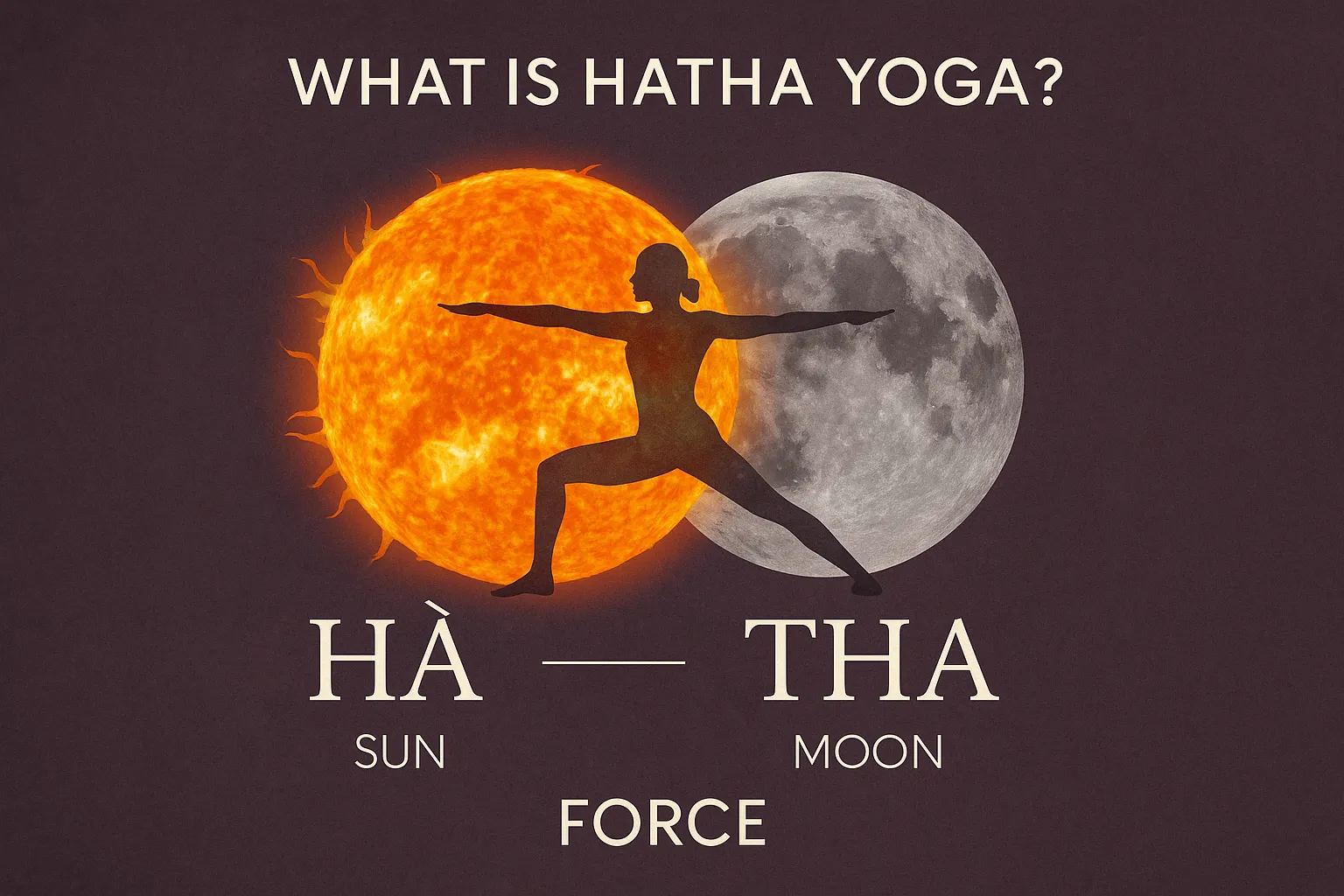
Discover the meaning of Hatha yoga, its ancient origins in India, and how this traditional practice balances opposing energies for holistic well-being.

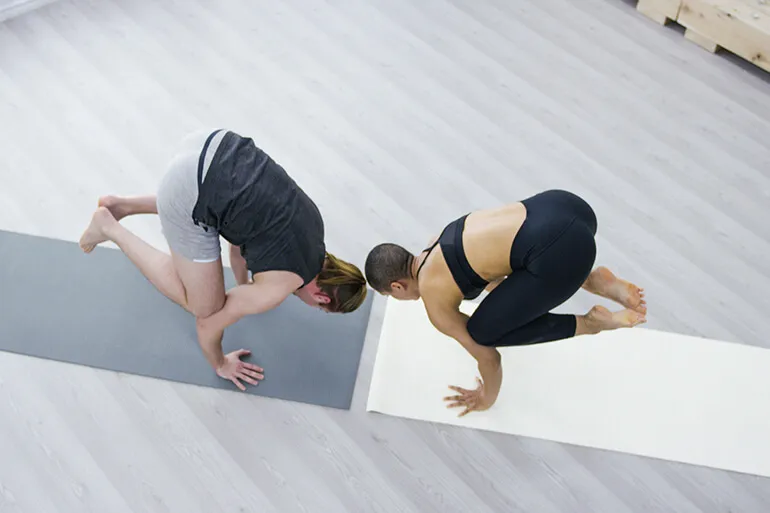
You've heard of yin and yang. But have you heard of yin yang yoga? Explore what it is here and then try it out for yourself!

Did you know yoga improves brain health? Learn how yoga helps Alzheimer's and dementia patients live better, healthier lives.


© Copyright 2025 MyYogaTeacher Inc


