Whether you are watching a VTuber play horror games at 3 AM, reading a manga about a middle-aged office worker reincarnated as a vending machine, or crying to a Tatsuro Yamashita record, you are participating in an industry that has, for better and worse, redefined global entertainment. And it shows no signs of stopping.

When the world thinks of Japan, a distinct set of images often flashes to mind: the vibrant hustle of Shibuya Crossing, the serene beauty of Mount Fuji, the precise art of sushi, and—increasingly—a sprawling galaxy of entertainment products that have colonized global pop culture. From the neon-lit nocturnes of Cyberpunk to the tear-jerking finales of reality dating shows, the Japanese entertainment industry is a behemoth. It is an economic engine, a cultural diplomat, and a mirror reflecting the nation’s complex relationship with tradition, technology, and social pressure.

But to understand Japanese entertainment is to understand a unique ecosystem. It is an industry where ancient theatrical forms like Noh and Kabuki coexist with virtual YouTubers (VTubers) who command millions of subscribers. It is a culture of obsessive fandom ( otaku ) that drives innovation, yet also a system bound by rigid hierarchical structures and strict intellectual property laws.

This article dives deep into the pillars of this industry—from the sound stages of J-Pop to the ink-washed pages of manga—and explores the cultural DNA that makes it simultaneously irresistible and inscrutable to outsiders. Before the global explosion of Pokémon or Demon Slayer , Japanese entertainment was defined by live performance. Kabuki (17th century), with its elaborate costumes and male actors playing both genders ( onnagata ), was the "pop culture" of the Edo period. It was loud, flamboyant, and often censored by a nervous government—a pattern that would repeat for centuries.

For the global consumer, Japanese entertainment offers something increasingly rare: stories that are unapologetically sincere. A shonen hero doesn’t smirk; he declares he will never give up. A J-drama doesn’t pivot to ironic distance; it drowns in melancholy rain. In a Western media landscape dominated by cynicism and deconstruction, Japan’s cultural products feel like a nostalgic embrace—even when they are brand new.

The Meiji Restoration (1868) opened Japan to Western influence, birthing (modern Western-style drama) and, later, a golden age of cinema. Directors like Akira Kurosawa ( Seven Samurai ) and Yasujirō Ozu ( Tokyo Story ) didn’t just make movies; they created a cinematic language that influenced Spielberg and George Lucas. This era established a crucial cultural trait: mono no aware (the bittersweet awareness of impermanence), a thematic thread that runs through everything from samurai epics to Final Fantasy games. Part II: Manga and Anime – The Twin Engines of Soft Power When discussing the Japanese entertainment industry , one cannot start anywhere but with manga (printed comics) and anime (animated productions). They are not subcultures; they are mainstream, multibillion-dollar cornerstones. The Manga Pipeline Unlike in the West, where comics are often seen as niche, manga is read by everyone in Japan—businessmen on trains, schoolgirls in cafes, and retirees at home. Serialized in weekly anthologies like Weekly Shonen Jump (circulation in the millions), manga is the "R&D department" for most entertainment. A successful manga becomes an anime, then a live-action film ( live-action adaptation ), then a stage play, then merchandise, then a video game.

Our Features

Setup your site as one of these or easily create new layouts that fit your needs.

Features

COLUMN LAYOUT

GRID GALLERY

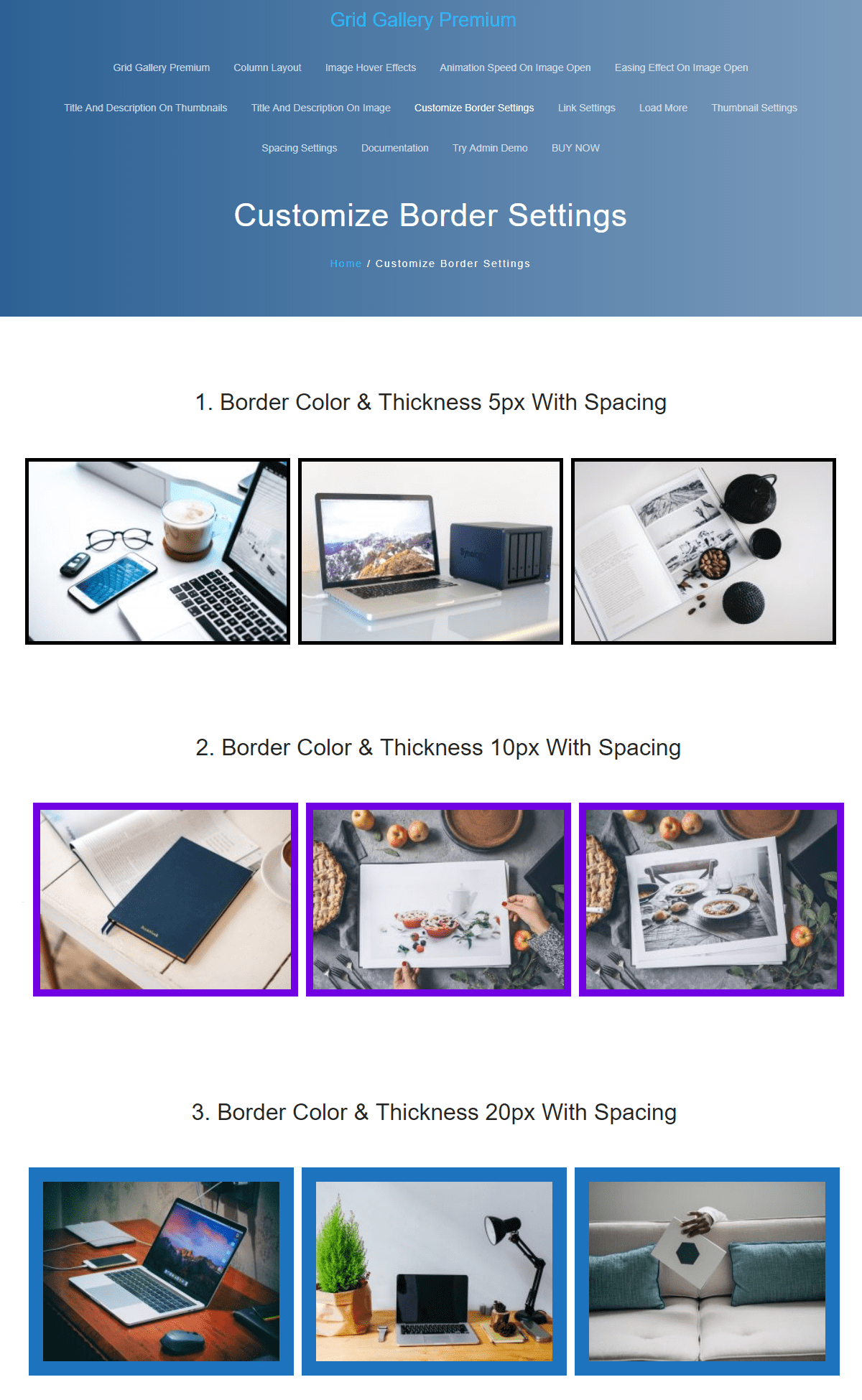
CUSTOM BORDER SETTING

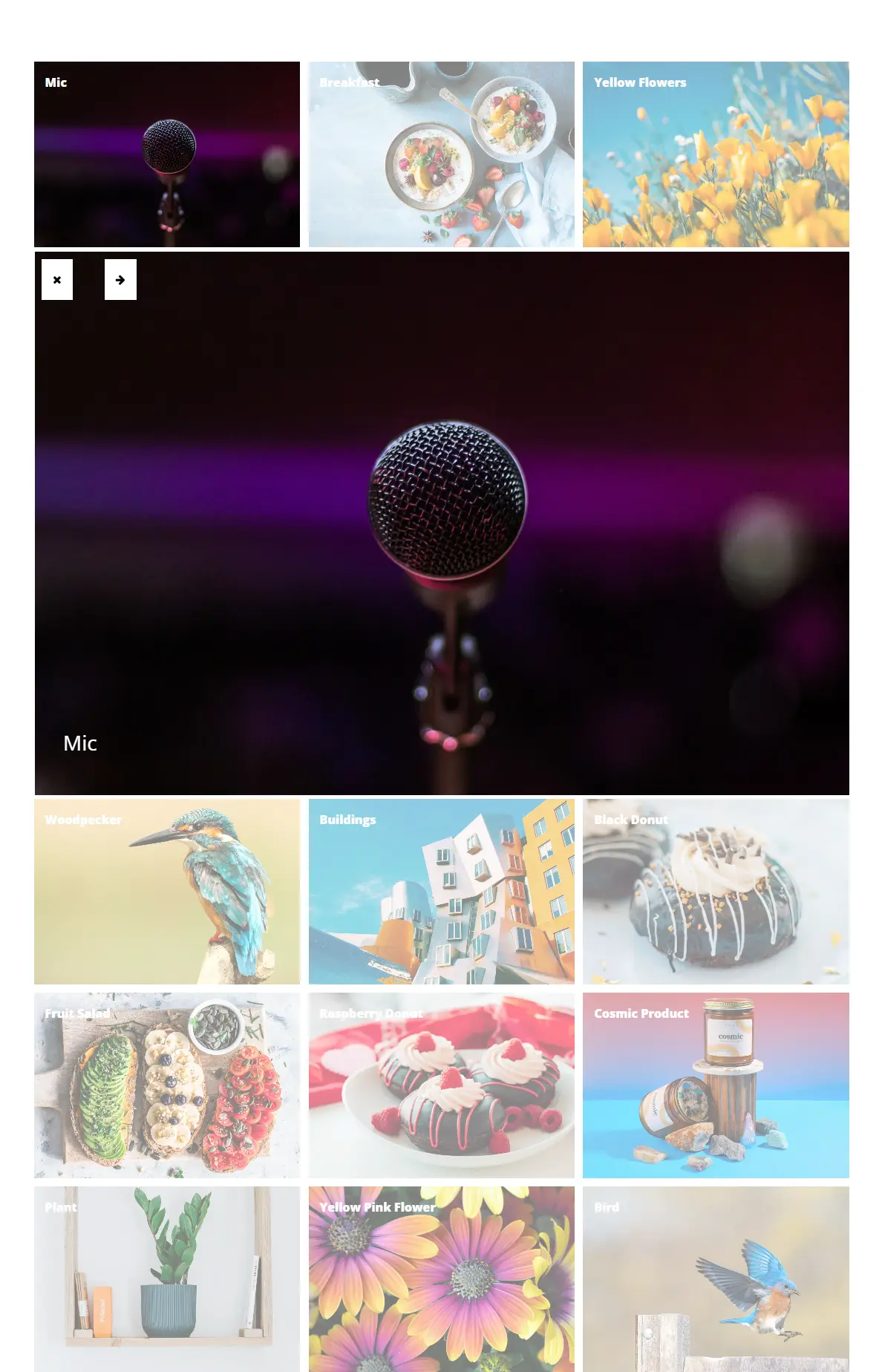
IMAGE DESCRIPTION

NAVIGATION BUTTONS

ANIMATION SPEED

Grid Gallery Premium Demo Pages

Setup your site as one of these or easily create new layouts that fit your needs.

Ss Ou Mei Luo Li Xing Ai Luo Li3p Oedy9 Com Mian Fei Gao Qing De Guo Chanav | Hd Jav Geng Xin Zui Kuai De

Whether you are watching a VTuber play horror games at 3 AM, reading a manga about a middle-aged office worker reincarnated as a vending machine, or crying to a Tatsuro Yamashita record, you are participating in an industry that has, for better and worse, redefined global entertainment. And it shows no signs of stopping.

When the world thinks of Japan, a distinct set of images often flashes to mind: the vibrant hustle of Shibuya Crossing, the serene beauty of Mount Fuji, the precise art of sushi, and—increasingly—a sprawling galaxy of entertainment products that have colonized global pop culture. From the neon-lit nocturnes of Cyberpunk to the tear-jerking finales of reality dating shows, the Japanese entertainment industry is a behemoth. It is an economic engine, a cultural diplomat, and a mirror reflecting the nation’s complex relationship with tradition, technology, and social pressure. Whether you are watching a VTuber play horror

But to understand Japanese entertainment is to understand a unique ecosystem. It is an industry where ancient theatrical forms like Noh and Kabuki coexist with virtual YouTubers (VTubers) who command millions of subscribers. It is a culture of obsessive fandom ( otaku ) that drives innovation, yet also a system bound by rigid hierarchical structures and strict intellectual property laws. From the neon-lit nocturnes of Cyberpunk to the

This article dives deep into the pillars of this industry—from the sound stages of J-Pop to the ink-washed pages of manga—and explores the cultural DNA that makes it simultaneously irresistible and inscrutable to outsiders. Before the global explosion of Pokémon or Demon Slayer , Japanese entertainment was defined by live performance. Kabuki (17th century), with its elaborate costumes and male actors playing both genders ( onnagata ), was the "pop culture" of the Edo period. It was loud, flamboyant, and often censored by a nervous government—a pattern that would repeat for centuries. It is an industry where ancient theatrical forms

For the global consumer, Japanese entertainment offers something increasingly rare: stories that are unapologetically sincere. A shonen hero doesn’t smirk; he declares he will never give up. A J-drama doesn’t pivot to ironic distance; it drowns in melancholy rain. In a Western media landscape dominated by cynicism and deconstruction, Japan’s cultural products feel like a nostalgic embrace—even when they are brand new.

The Meiji Restoration (1868) opened Japan to Western influence, birthing (modern Western-style drama) and, later, a golden age of cinema. Directors like Akira Kurosawa ( Seven Samurai ) and Yasujirō Ozu ( Tokyo Story ) didn’t just make movies; they created a cinematic language that influenced Spielberg and George Lucas. This era established a crucial cultural trait: mono no aware (the bittersweet awareness of impermanence), a thematic thread that runs through everything from samurai epics to Final Fantasy games. Part II: Manga and Anime – The Twin Engines of Soft Power When discussing the Japanese entertainment industry , one cannot start anywhere but with manga (printed comics) and anime (animated productions). They are not subcultures; they are mainstream, multibillion-dollar cornerstones. The Manga Pipeline Unlike in the West, where comics are often seen as niche, manga is read by everyone in Japan—businessmen on trains, schoolgirls in cafes, and retirees at home. Serialized in weekly anthologies like Weekly Shonen Jump (circulation in the millions), manga is the "R&D department" for most entertainment. A successful manga becomes an anime, then a live-action film ( live-action adaptation ), then a stage play, then merchandise, then a video game.
What Our Precious Customers Say?

We love to hear our customer's feedback.

Grid Gallery WordPress Plugin

Beautifully Designed, Powerful, and easy to Customize - Grid Gallery Premium the best Plugin For your Bussiness Showcase.

Choose Your Plan

Setup your site as one of these or easily create new layouts that fit your needs.

Features

  • Thumbnail Size
  • Column Layout
  • Animation Easing Effect
  • Animation Speed
  • Hover Effect
  • Auto Scroll On Image
  • Navigation Buttons Position
  • Title On Thumbnail
  • Description On Thumbnail
  • Title On Image Preview
  • Description On Preview
  • Title & Description Position
  • Thumbnail Border On Image
  • Custom Image Border
  • Hide Image Spacing
  • Link On
  • Open Image Link URL
  • Load More Button
  • Custom CSS

Free

Free

  • 3 Hover Effect
  • 1 Position
  • Hide and Show
  • 1 Position
One Time Payment

Premium

$ 15

  • + 6 Column Layout
  • + 25 Animation Easing Effect
  • + 20 Hover Effect
  • + 5 Navigation Buttons Position
  • + 5 Title & Description Position
  • Features
  • Thumbnail Size
  • Column Layout
  • Animation Easing Effect
  • Animation Speed
  • Hover Effect
  • Auto Scroll On Image
  • Navigation Buttons Position
  • Title On Thumbnail
  • Description On Thumbnail
  • Title On Image Preview
  • Description On Preview
  • Title & Description Position
  • Thumbnail Border On Image
  • Custom Image Border
  • Hide Image Spacing
  • Link On
  • Open Image Link URL
  • Load More Button
  • Custom CSS
  • Free
  • 3 Hover Effect
  • 1 Position
  • Hide and Show
  • 1 Position
  • Premium
  • + 6 Column Layout
  • + 25 Animation Easing Effect
  • + 20 Hover Effect
  • + 5 Navigation Buttons Position
  • + 5 Title & Description Position

We Value Our Customers

Setup your site as one of these or easily create new layouts that fit your needs.

Our support team is available for live chat OR Feel free to contact us with any question you have.
Contact
Our Support team is available 24/7 in Live Chat. Feel free to contact us with any question you have.
Read
Have an issues with any themes or plugins make a support thread on helpdesk.
Ask