
Arch Pro is a precision-tuned LOG to REC709 LUT system built specifically for the Pocket Cinema Camera 4K, 6K, and 6K Pro. The base set includes a Natural LUT along with Filmic and Vibrant character LUTs—each one uniquely matched to your camera’s sensor and LOG profile. This isn’t one-size-fits-all, it’s one-for-each, engineered for color that just works.
Want more? The Plus and Premium Bundles unlock stylized Film Looks and DaVinci Wide Gamut support for Resolve users.




Whether you’re a filmmaker, YouTuber, or weekend warrior, if you're working with Pocket 4K, 6K, or 6K Pro footage, this is the fastest way to make it shine. Arch Pro enhances highlight rolloff, improves skin tone, and just looks good.
Import Arch Pro LUTs right into your Pocket Cinema Camera to preview the colors live — great for livestreams, fast turnarounds, or video village. Burn it in if you want. Shoot LOG and tweak later if you don’t.
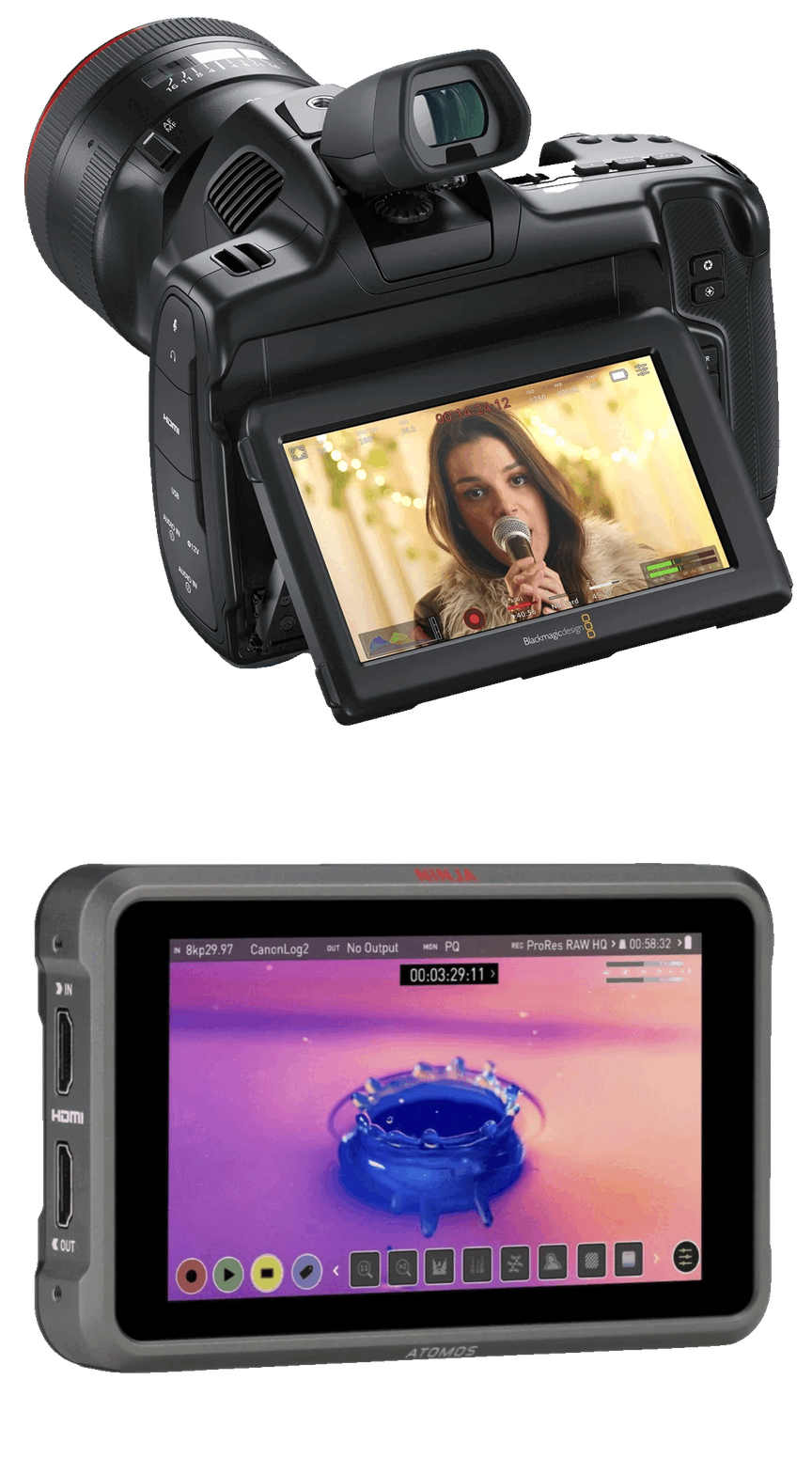

Create a cohesive cinematic look without obsessing over complex node trees. Whether you’re cutting a music video or a doc on a deadline, these LUTs hold their own — and still play nice with secondary grading and effects.


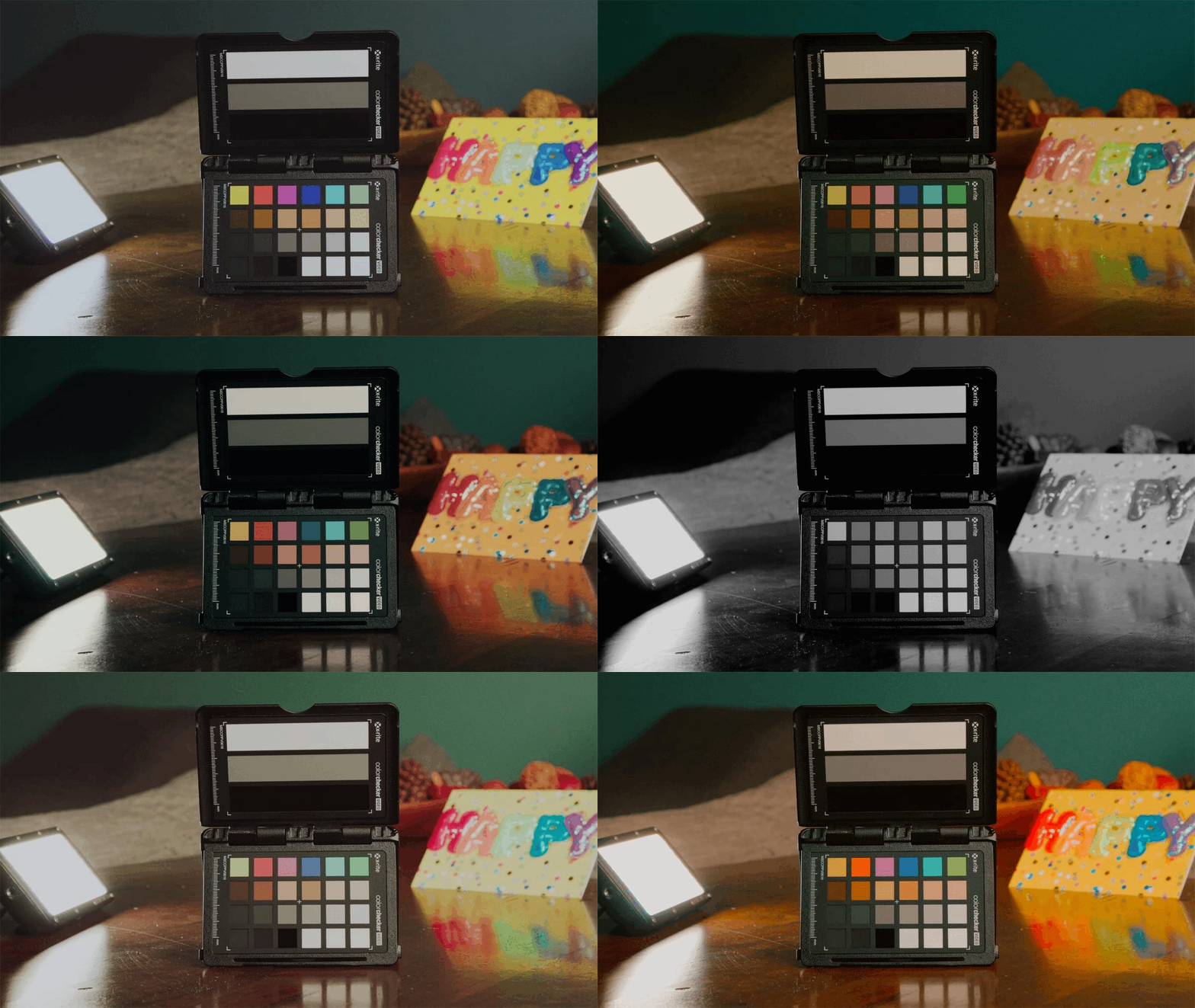
Arch Pro Plus adds 12 pre-built Film Looks that range from elegant monochromes to punchy stylization. Everything from a Black & White so classy it’d make Fred Astaire jump for joy to a Teal & Orange that could coax a single tear down Michael Bay’s cheek.

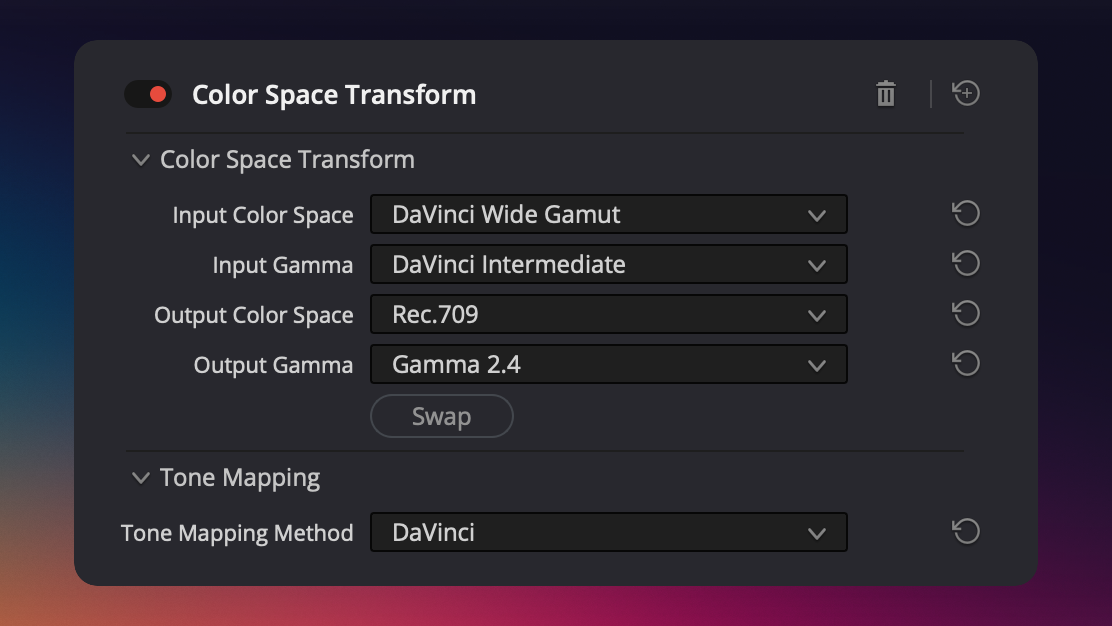
Arch Pro Premium unlocks a secret weapon: DaVinci Wide Gamut support. No Rec709 bakes. No locked-in looks. Just a clean, accurate conversion into DaVinci’s modern color space — built for real post workflows and future-proof grades.

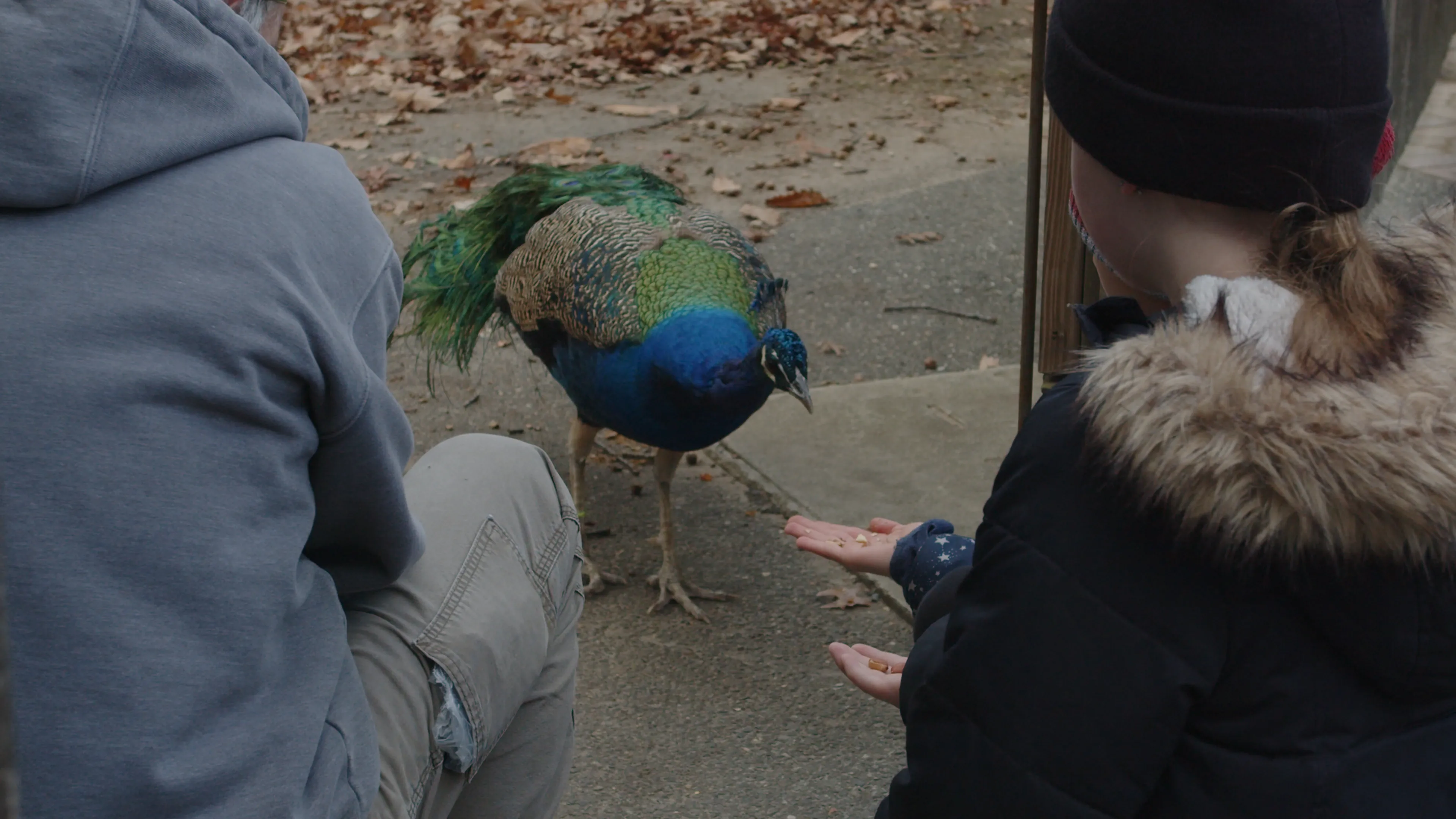
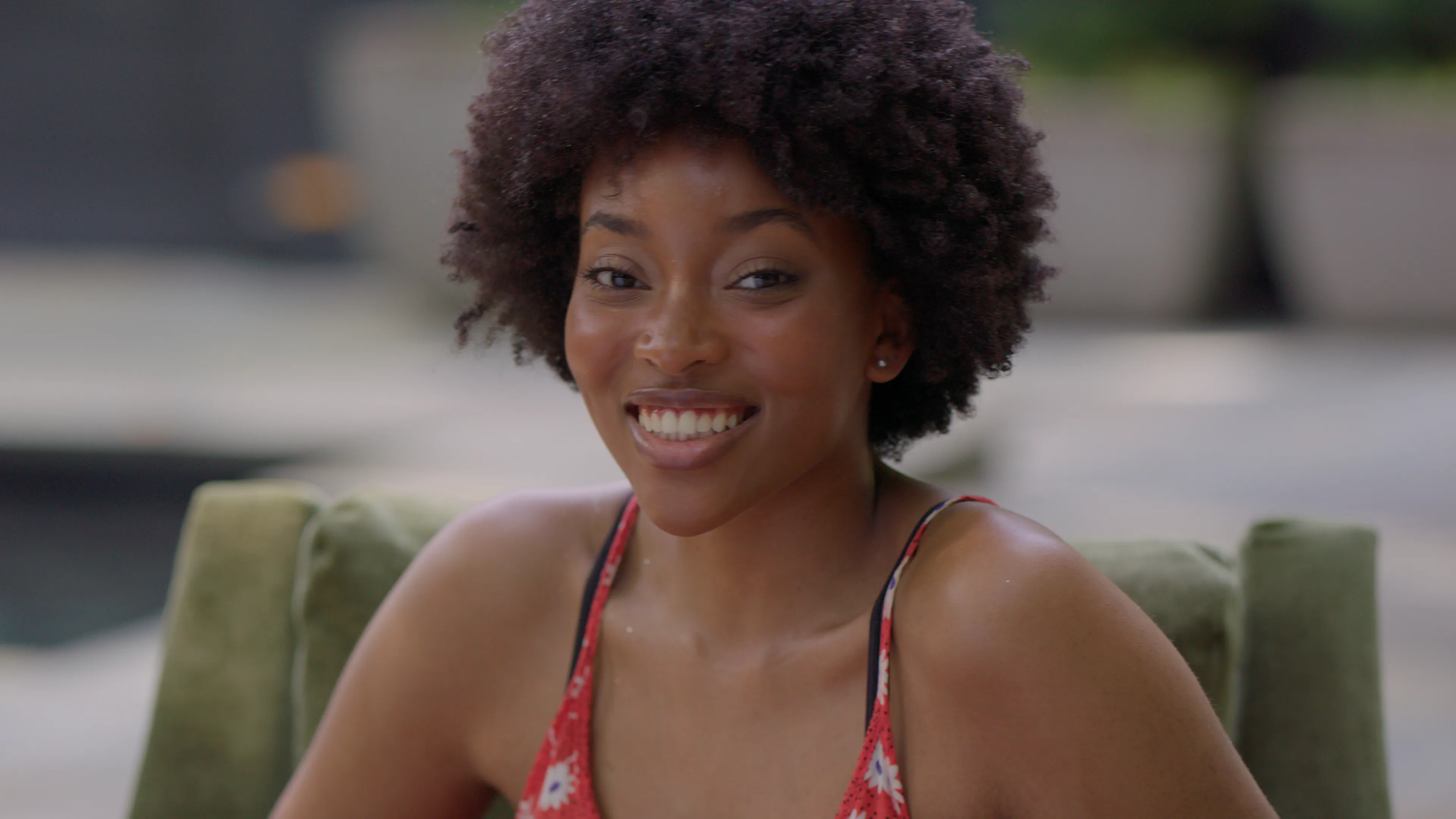
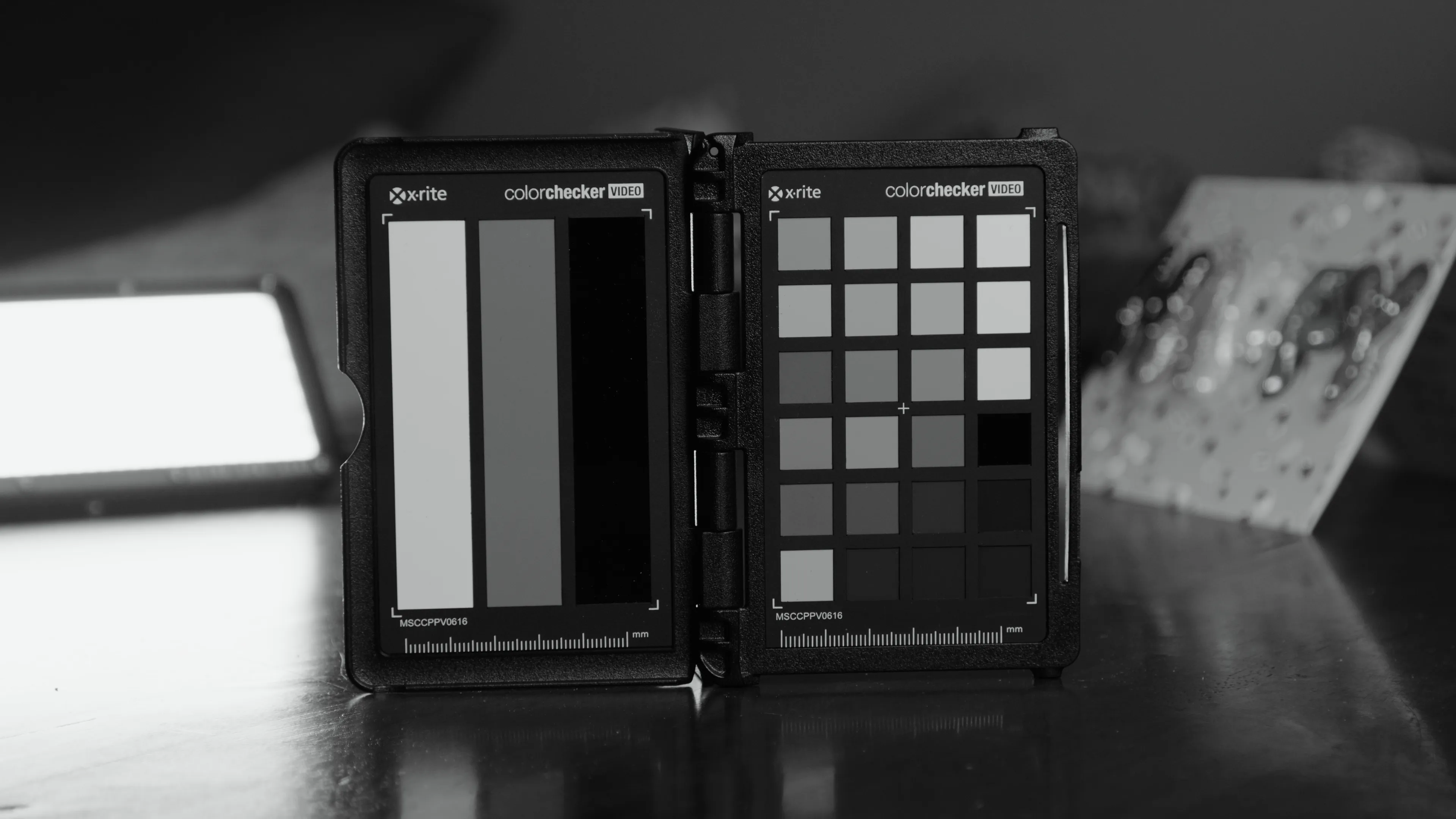
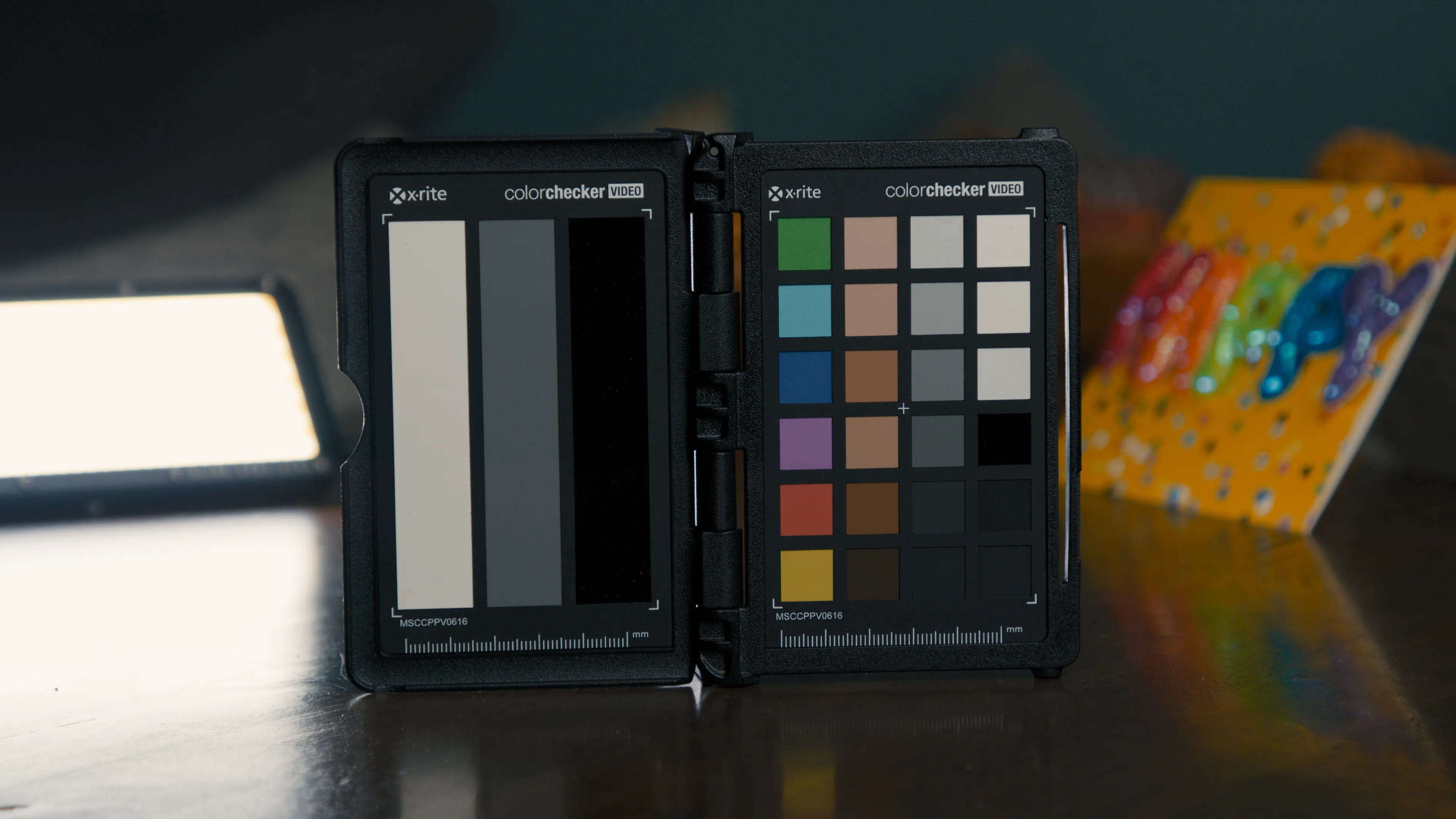
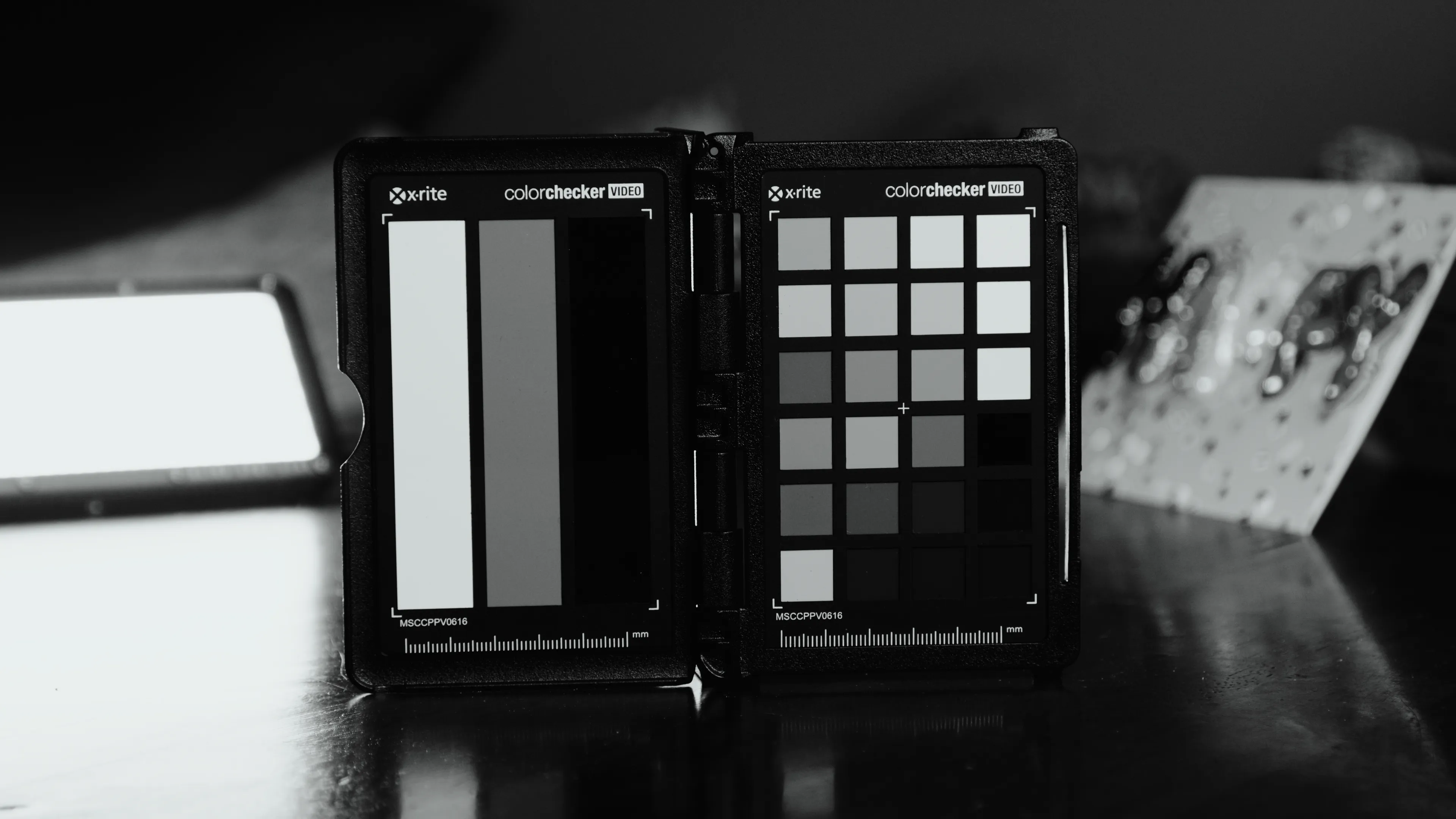
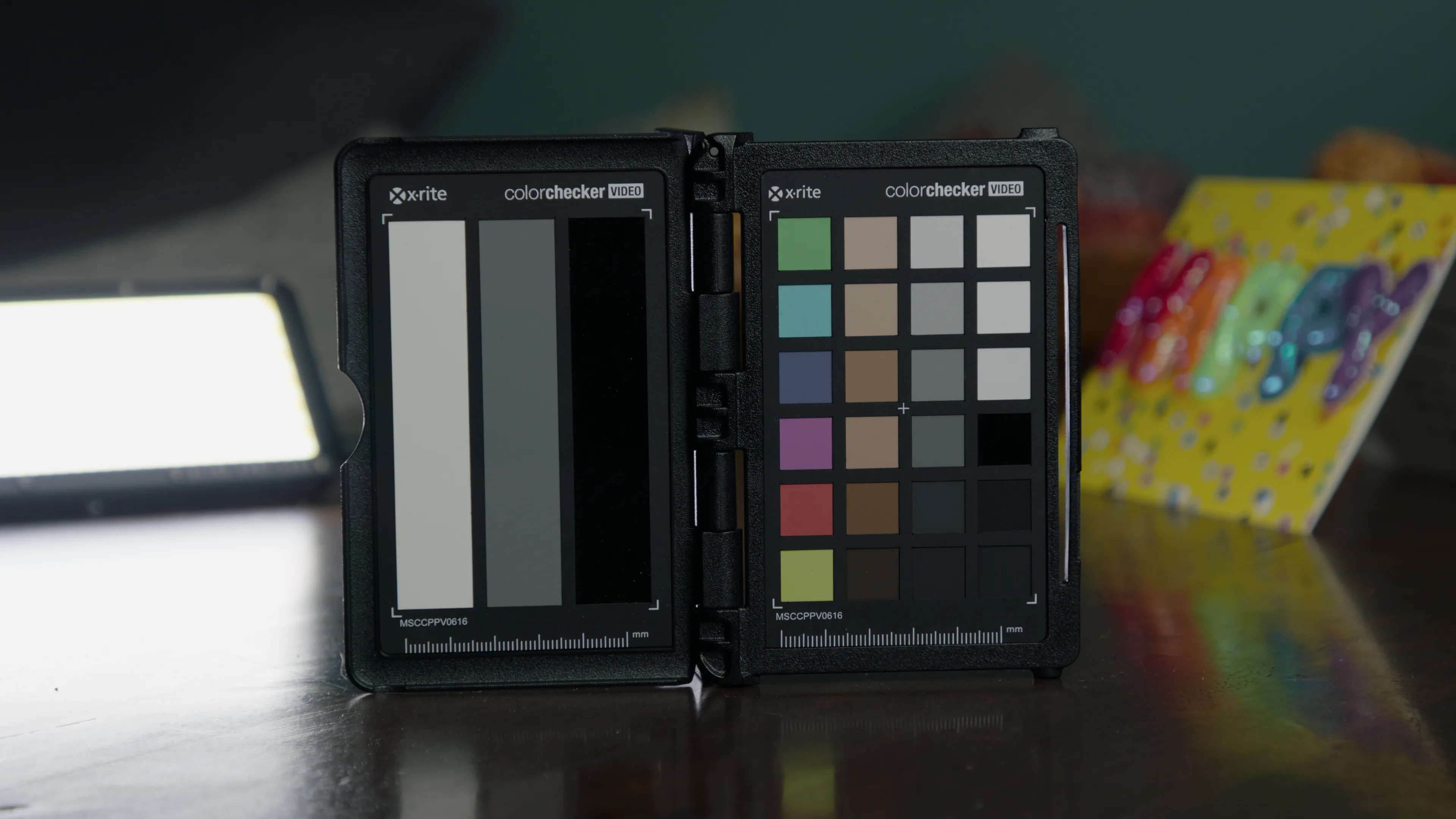
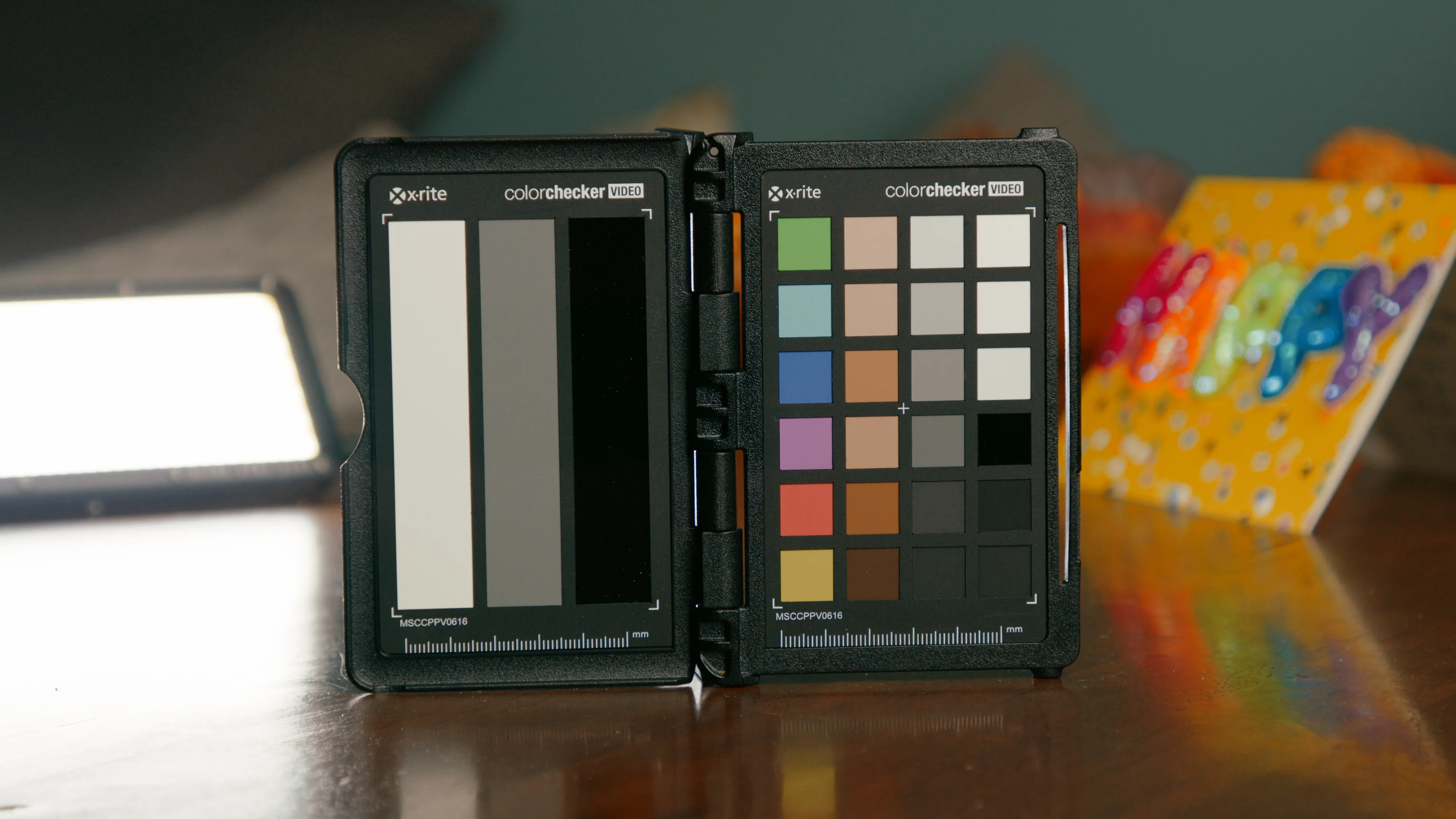
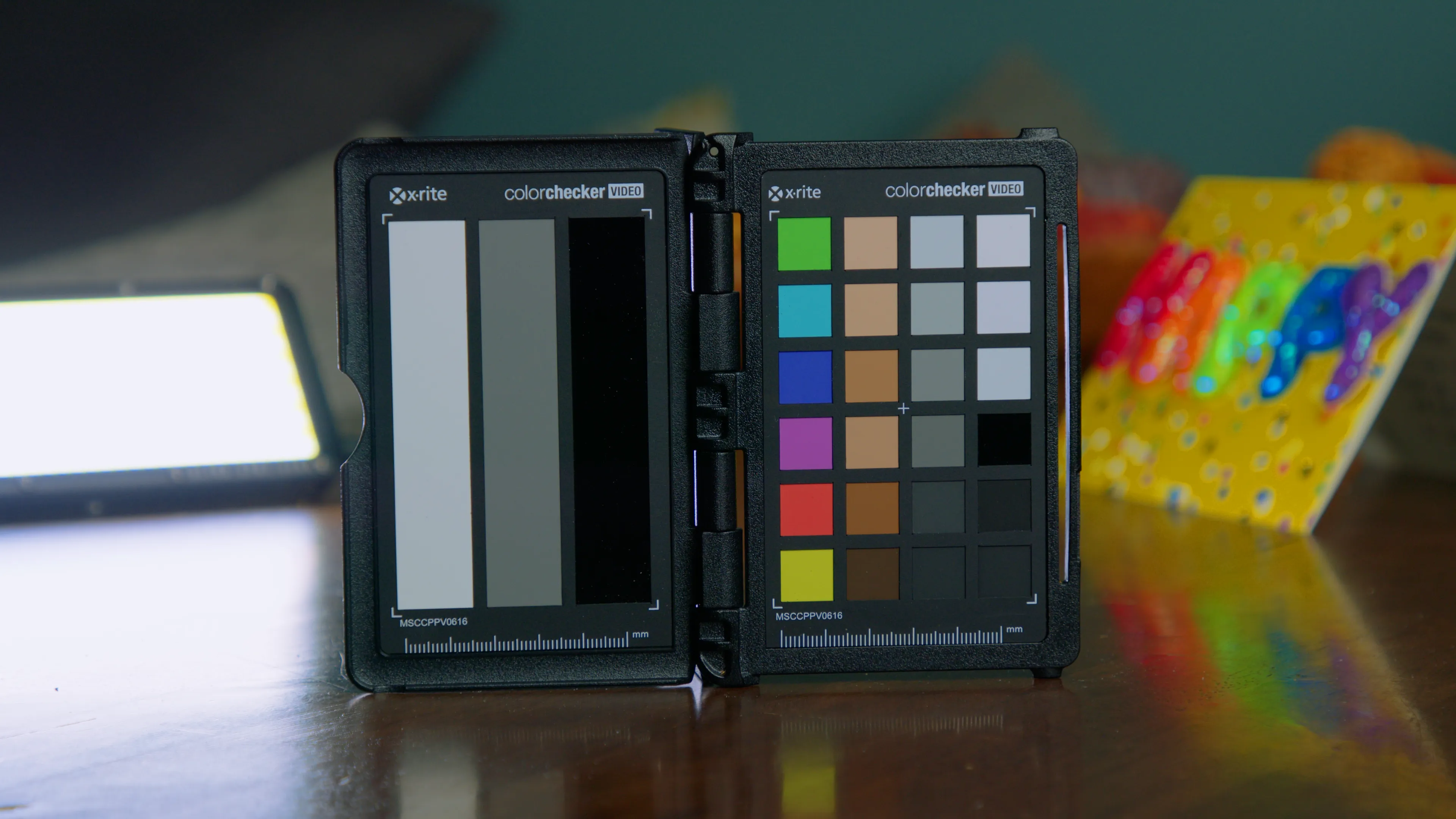
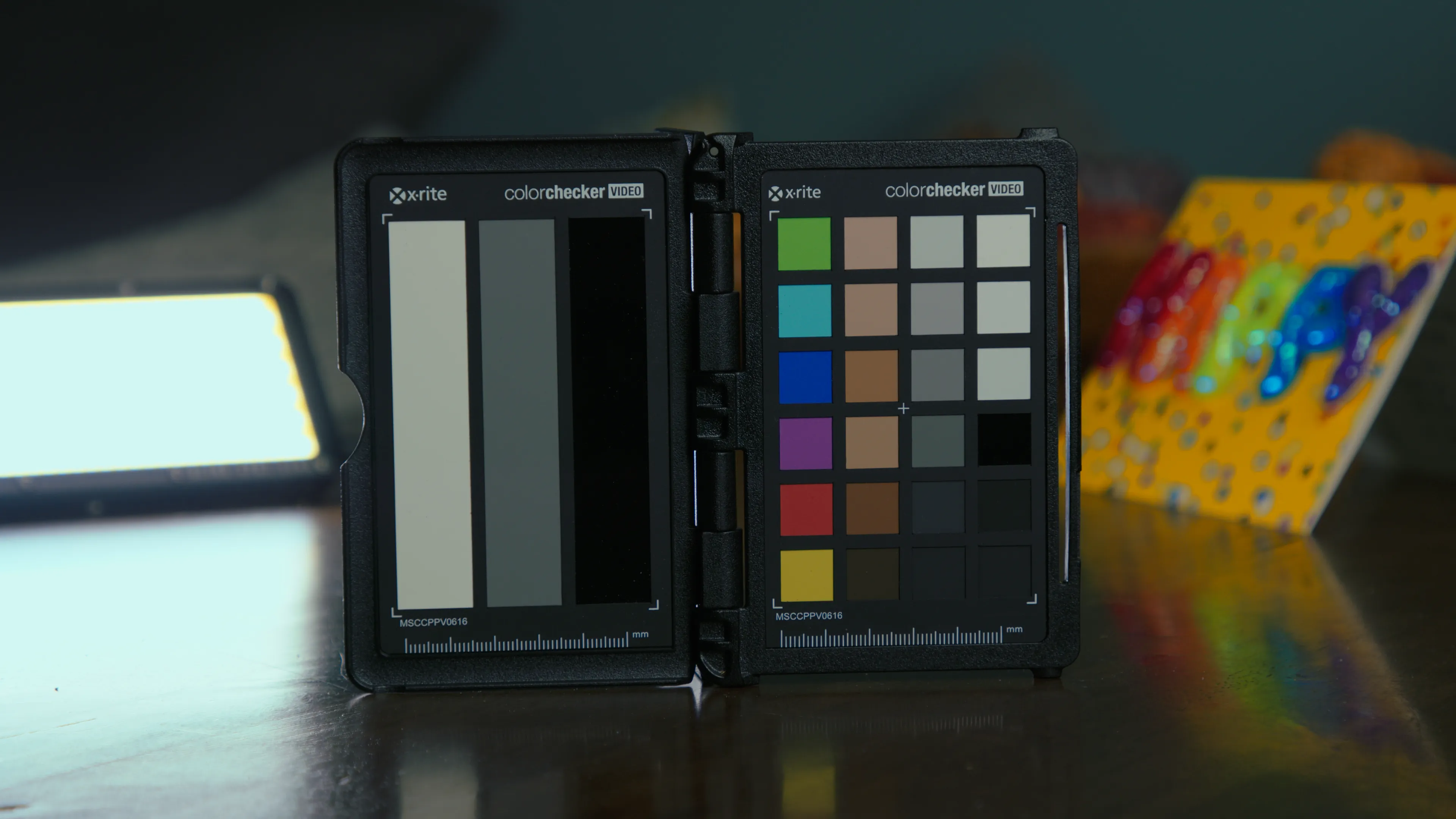
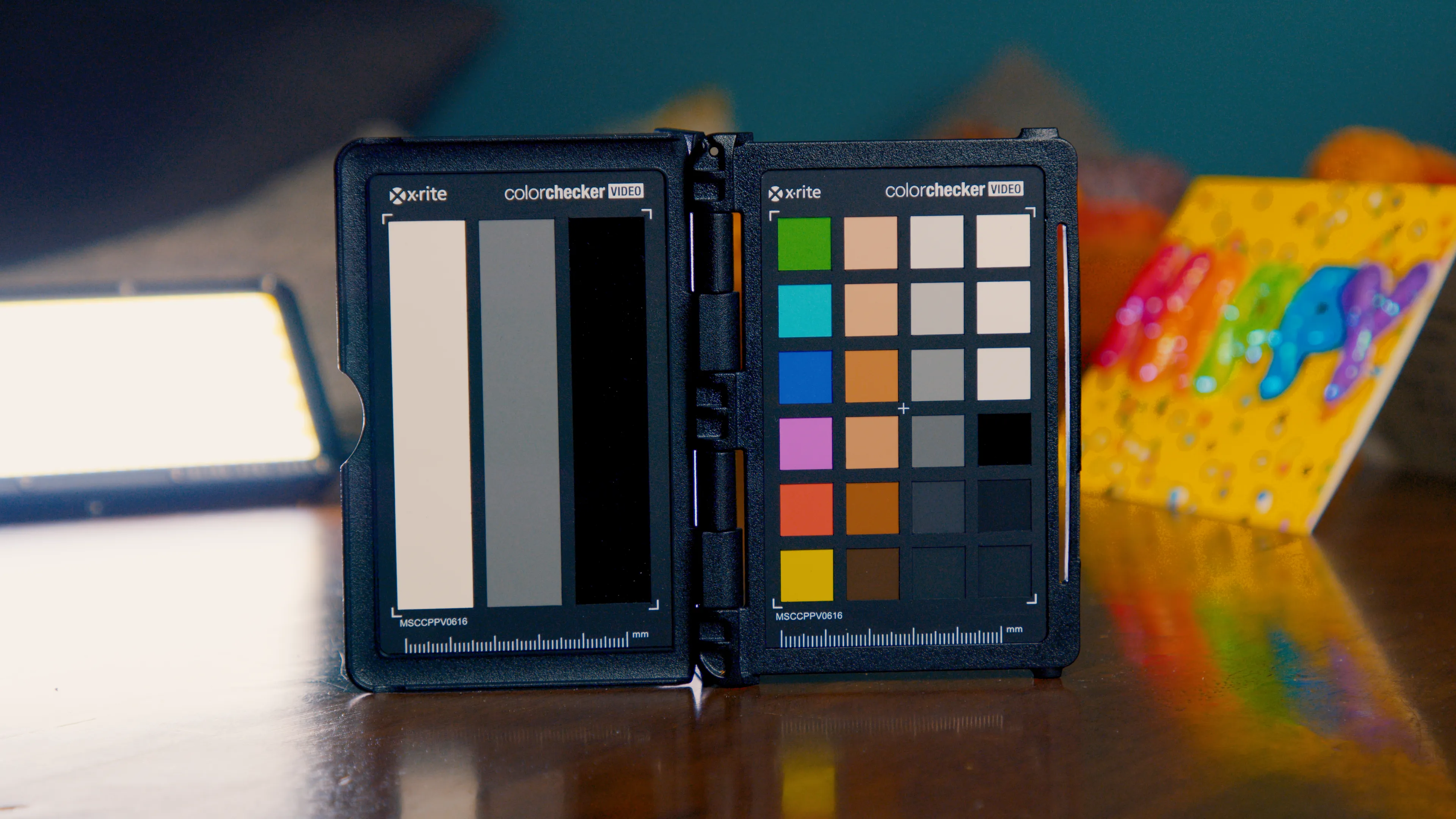
All of these examples were shot in BRAW with Gen 5 color science. On the left: Blackmagic’s built-in Extended Video LUT. On the right: Arch Pro Natural.
This isn't showing a LOG-to-Rec709 miracle like most do, this is comparing what you’d actually get side-by-side. The difference between good enough
and being there.
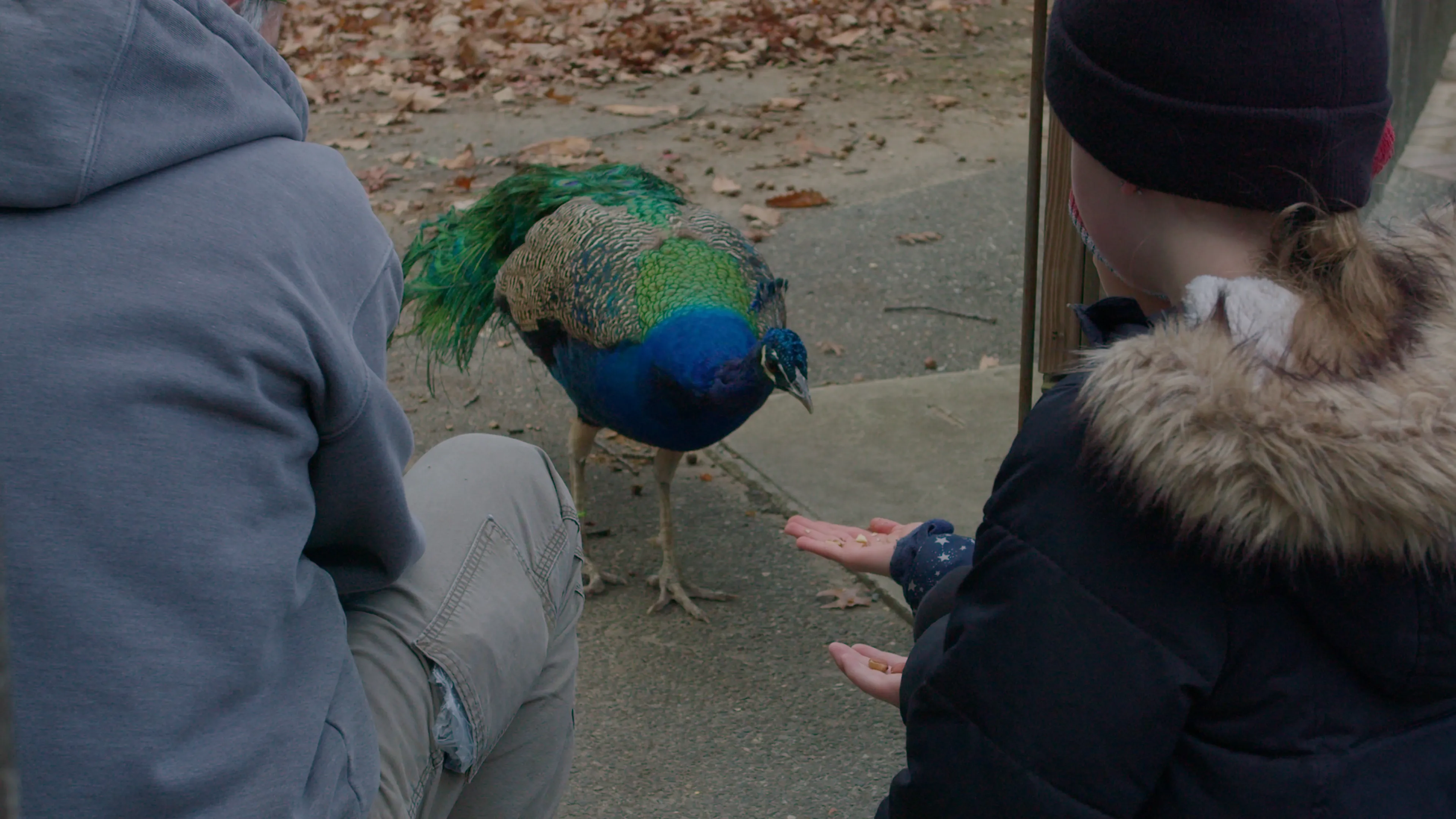
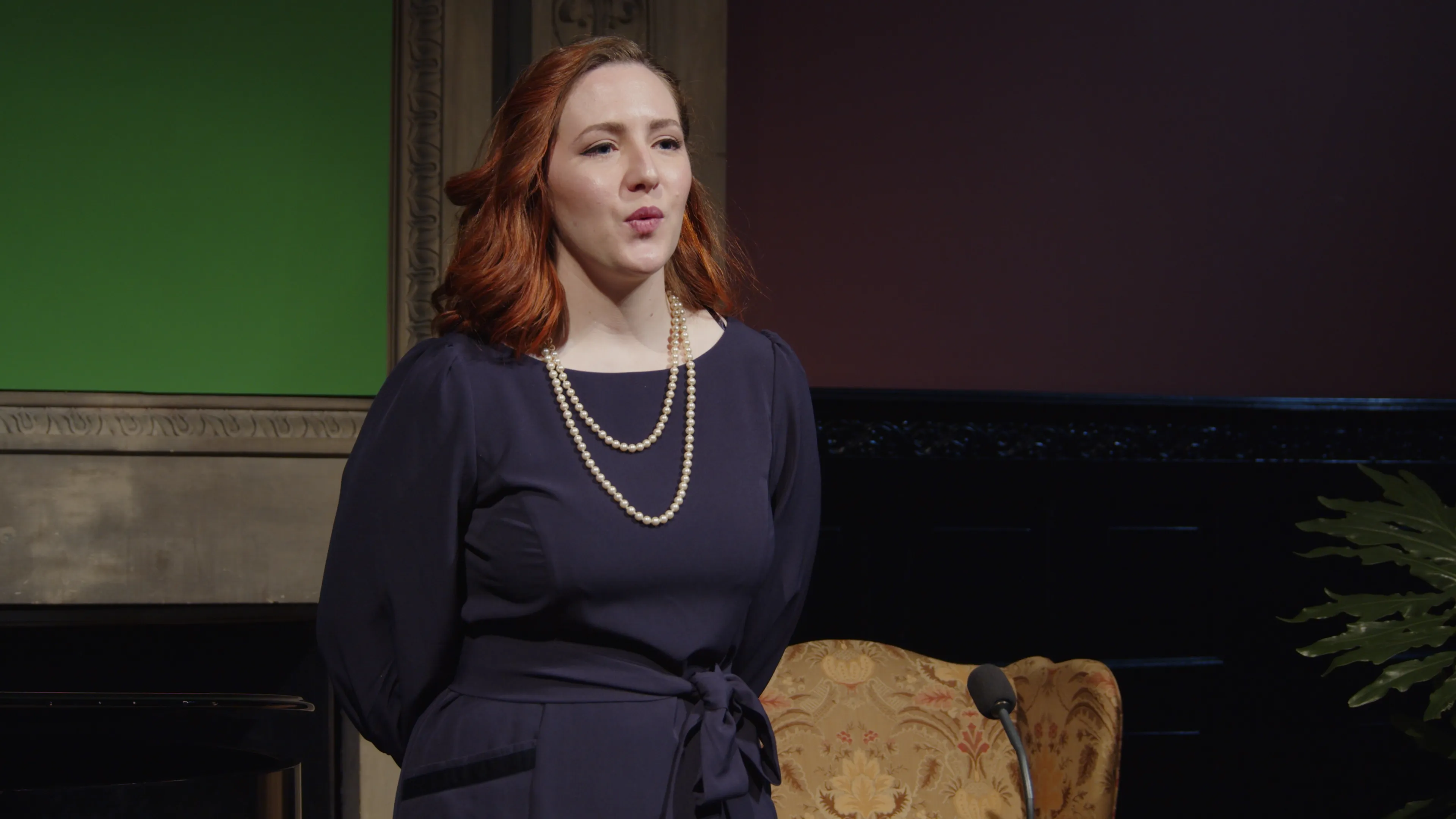
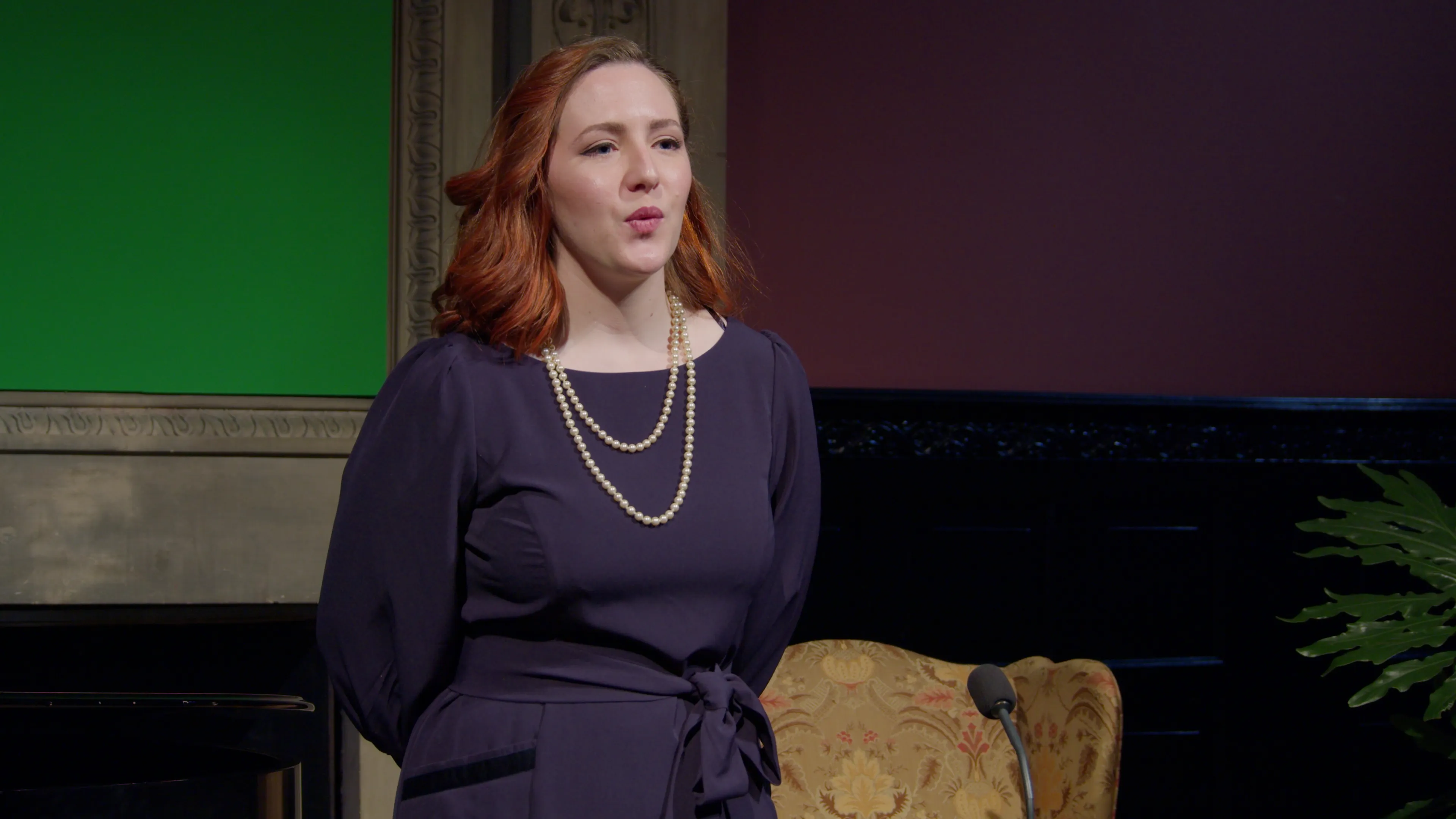
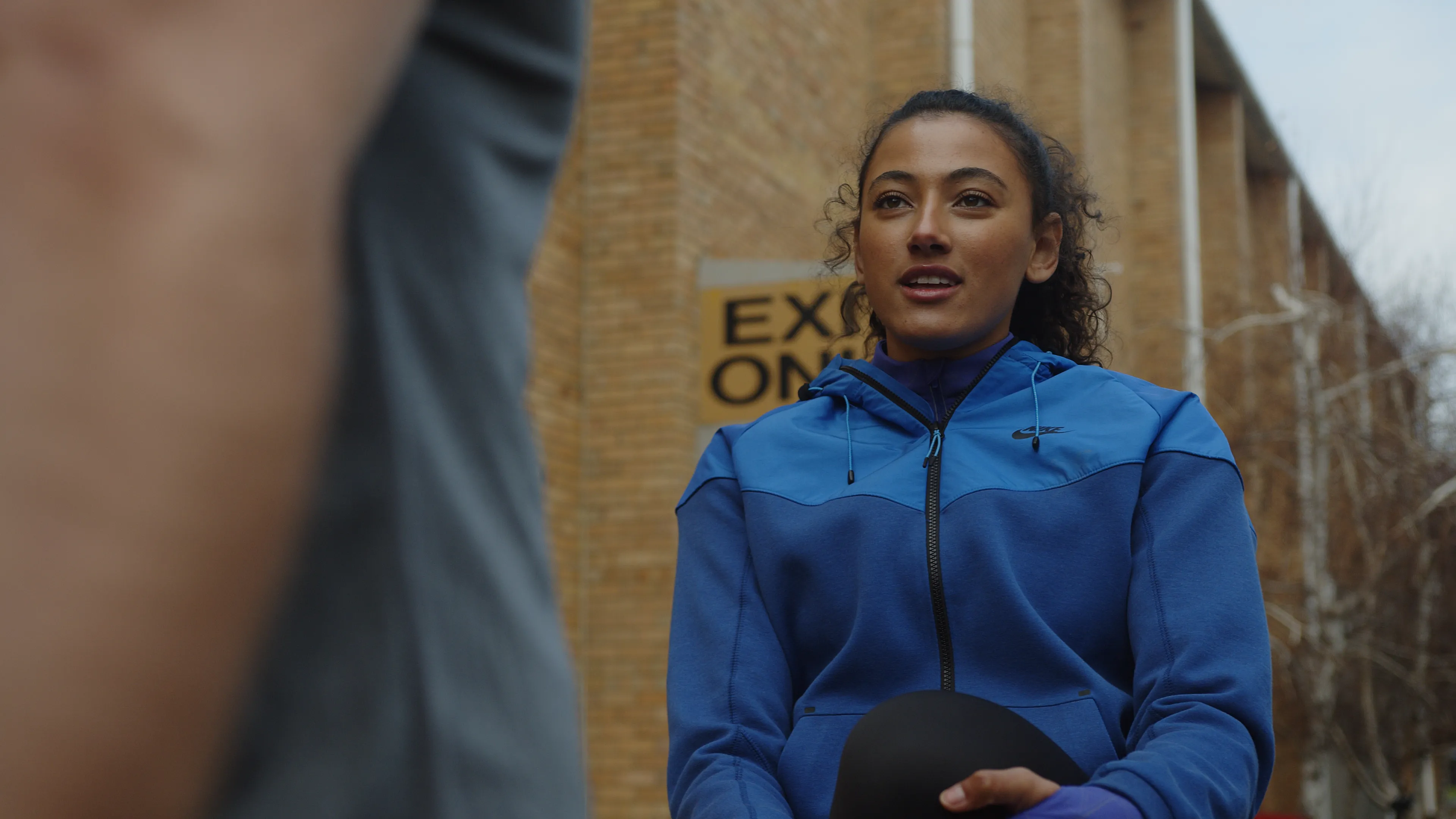
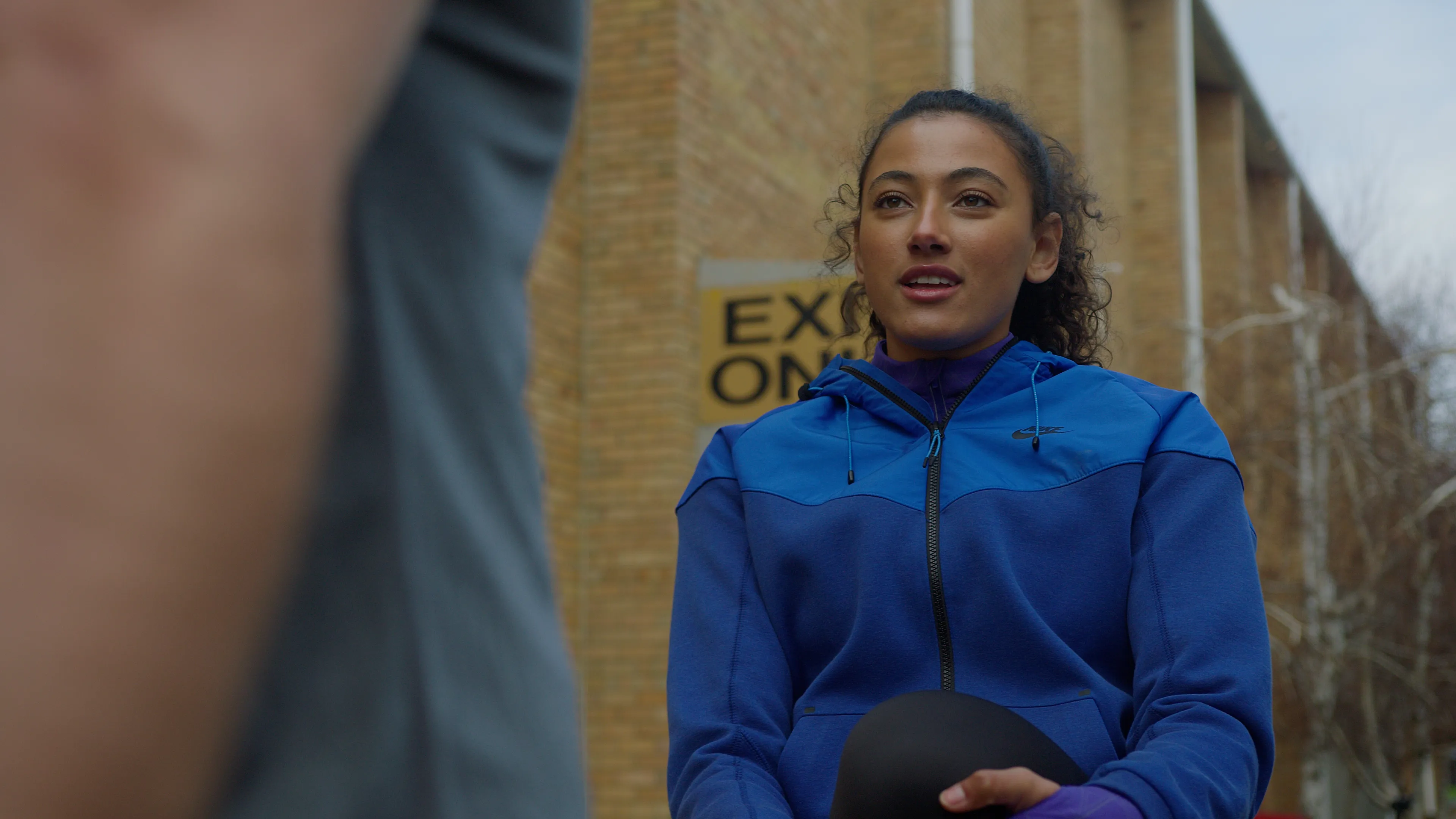


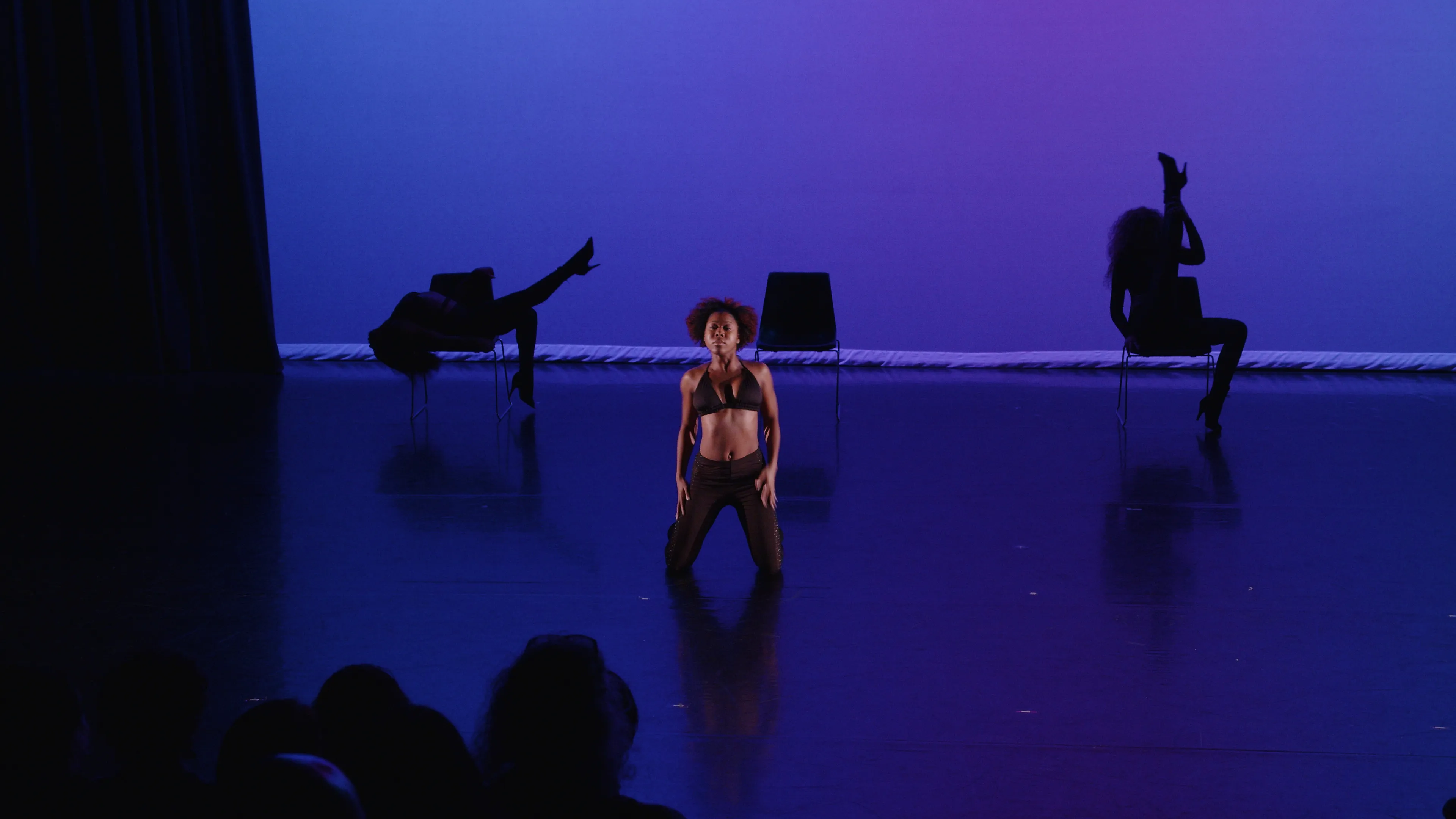
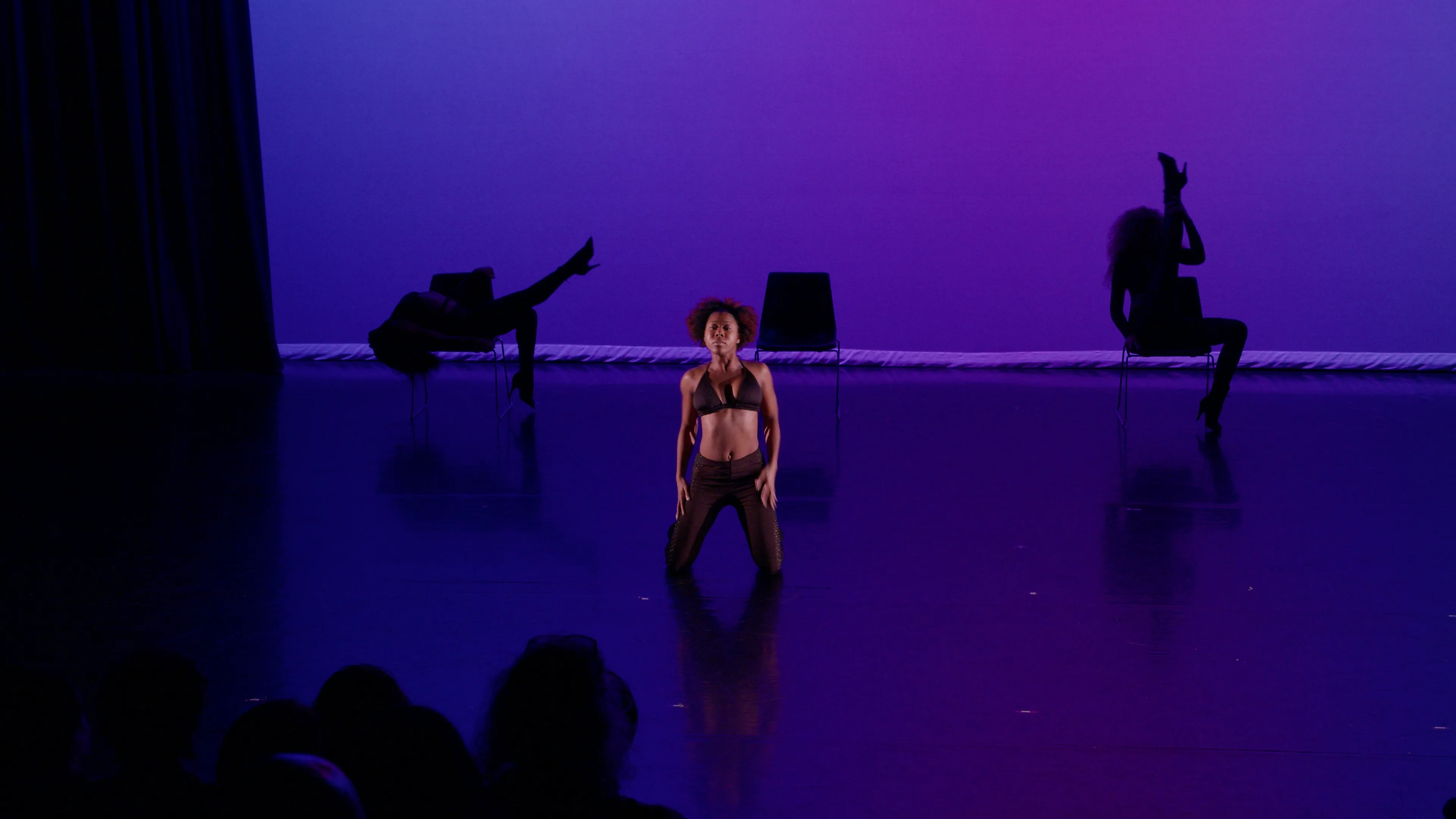
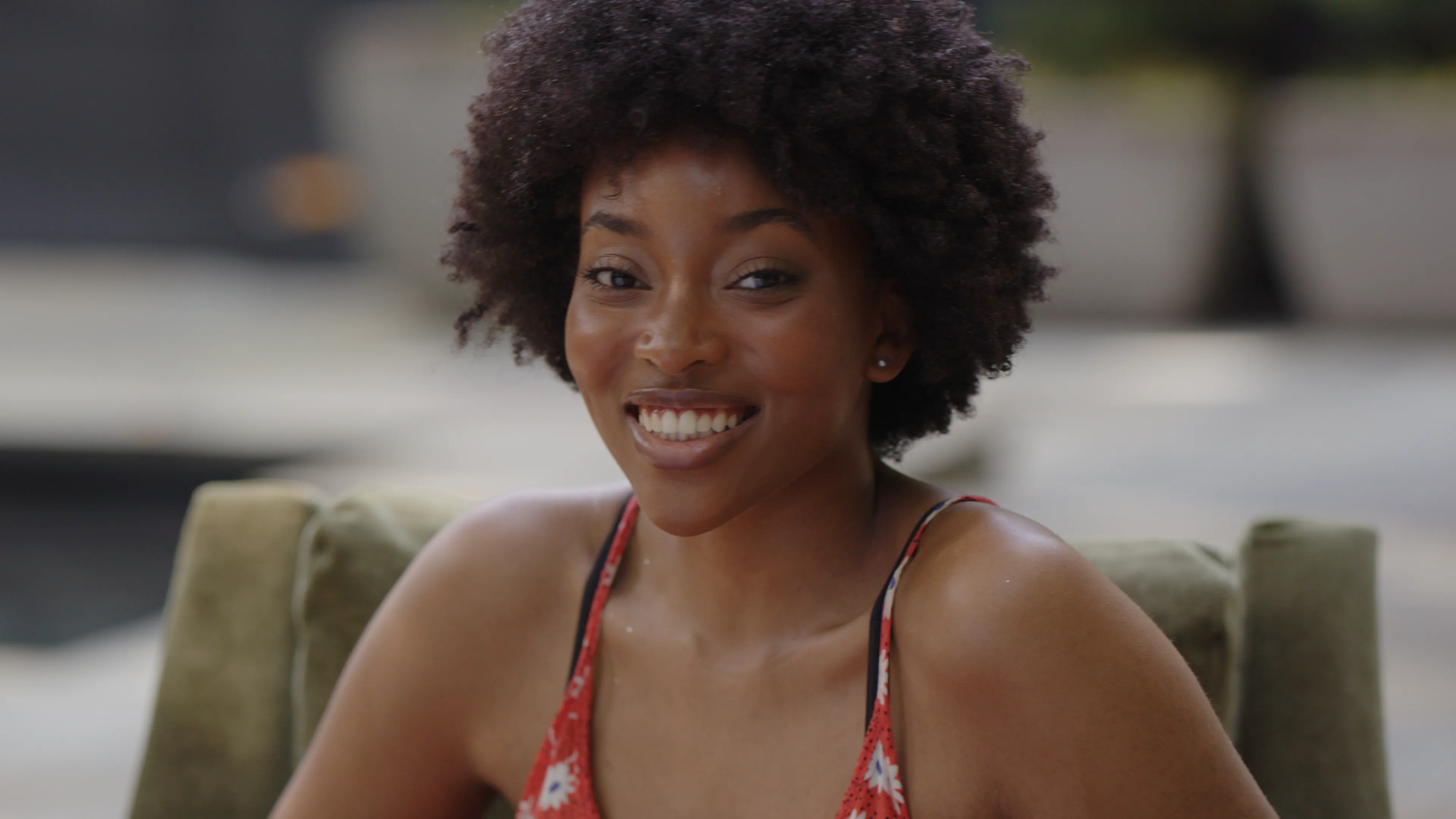
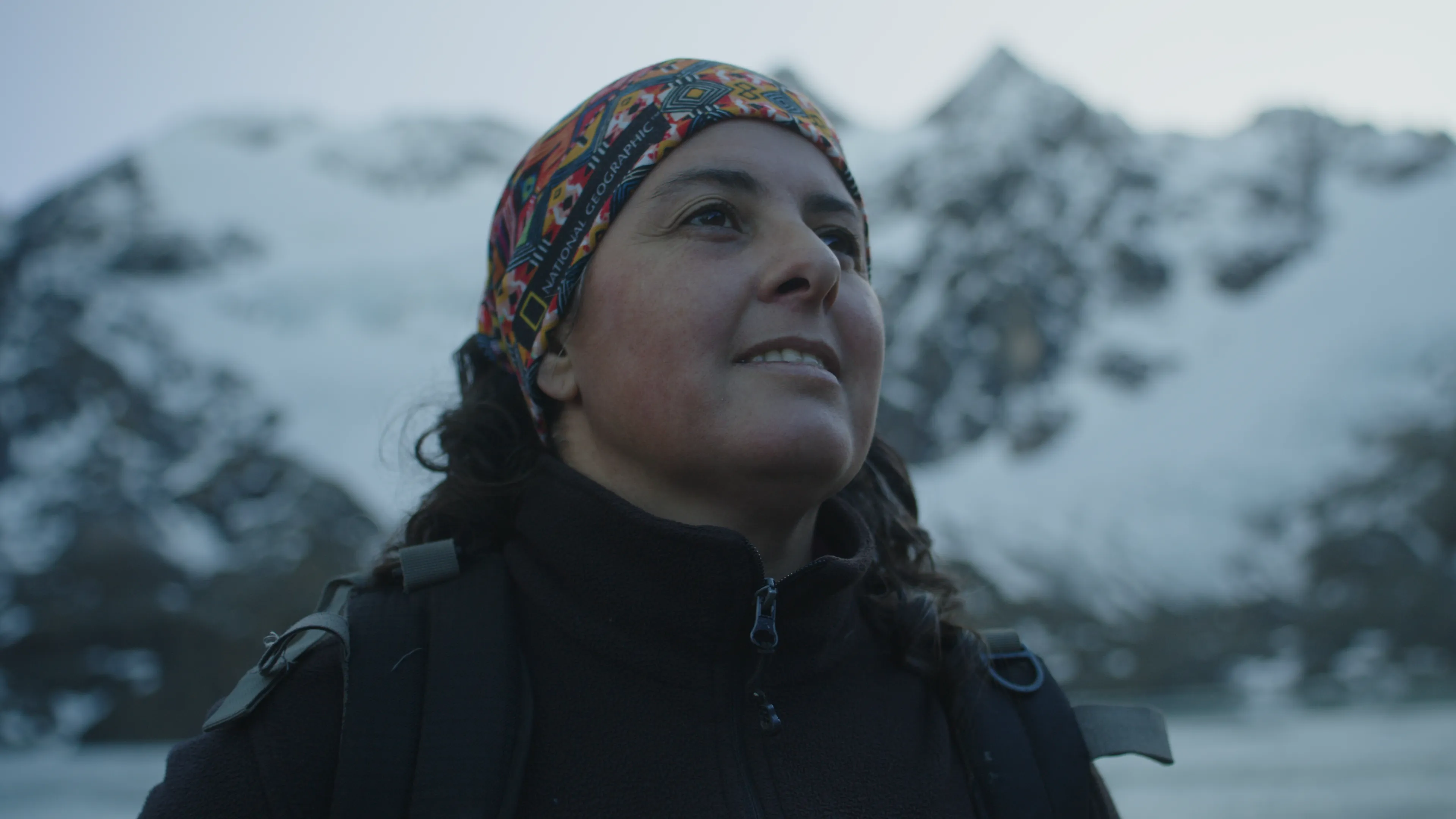
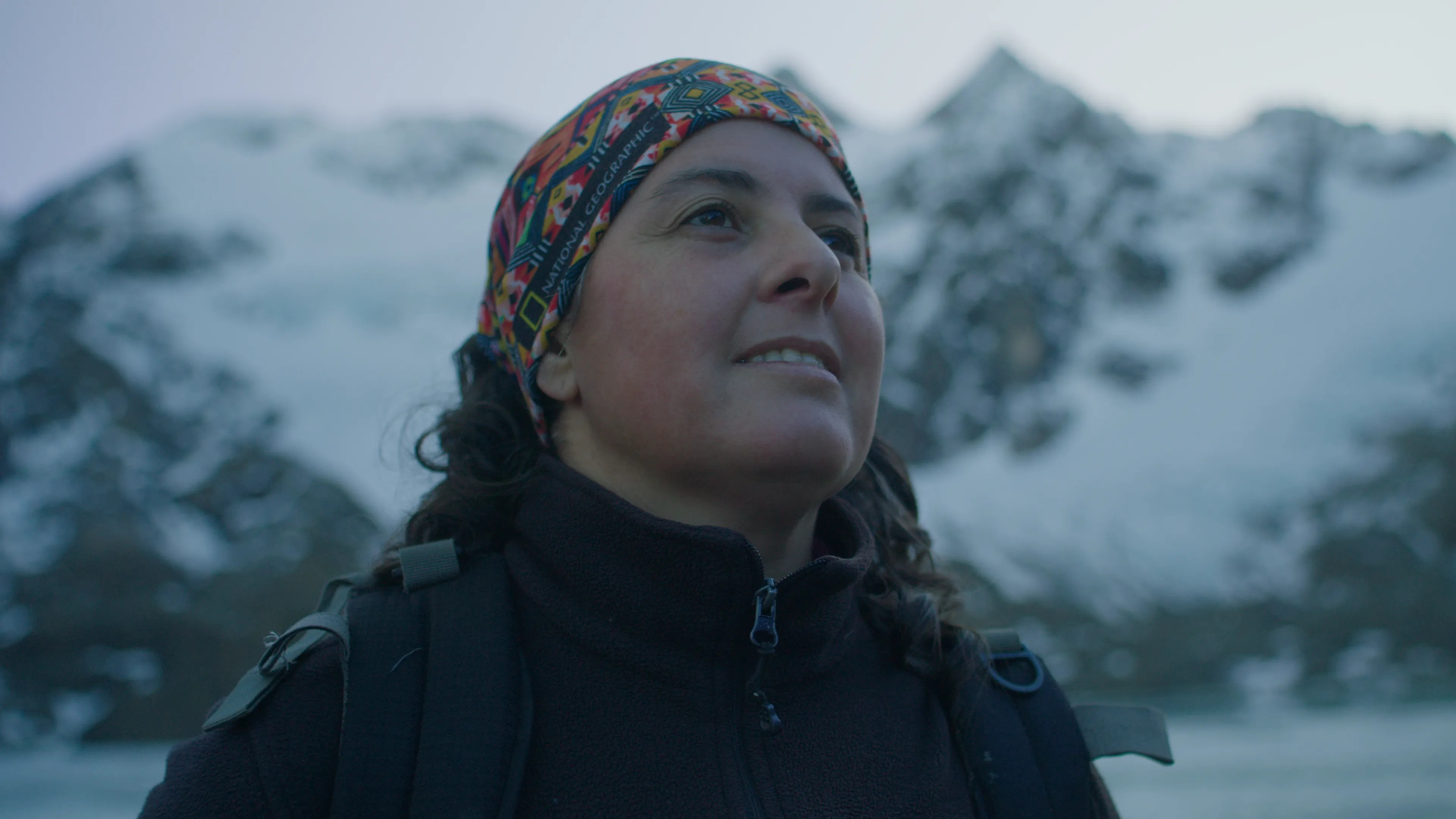
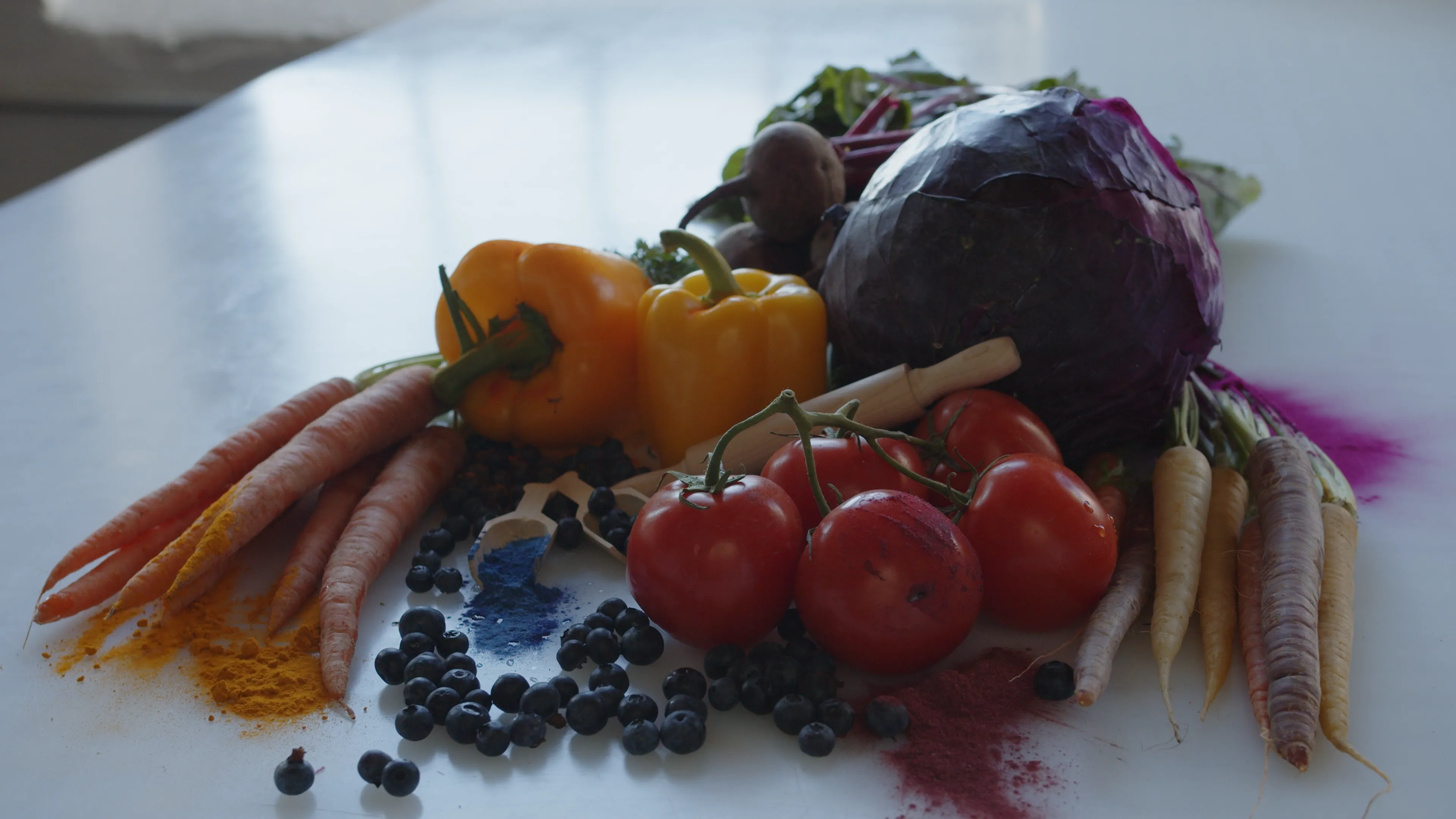
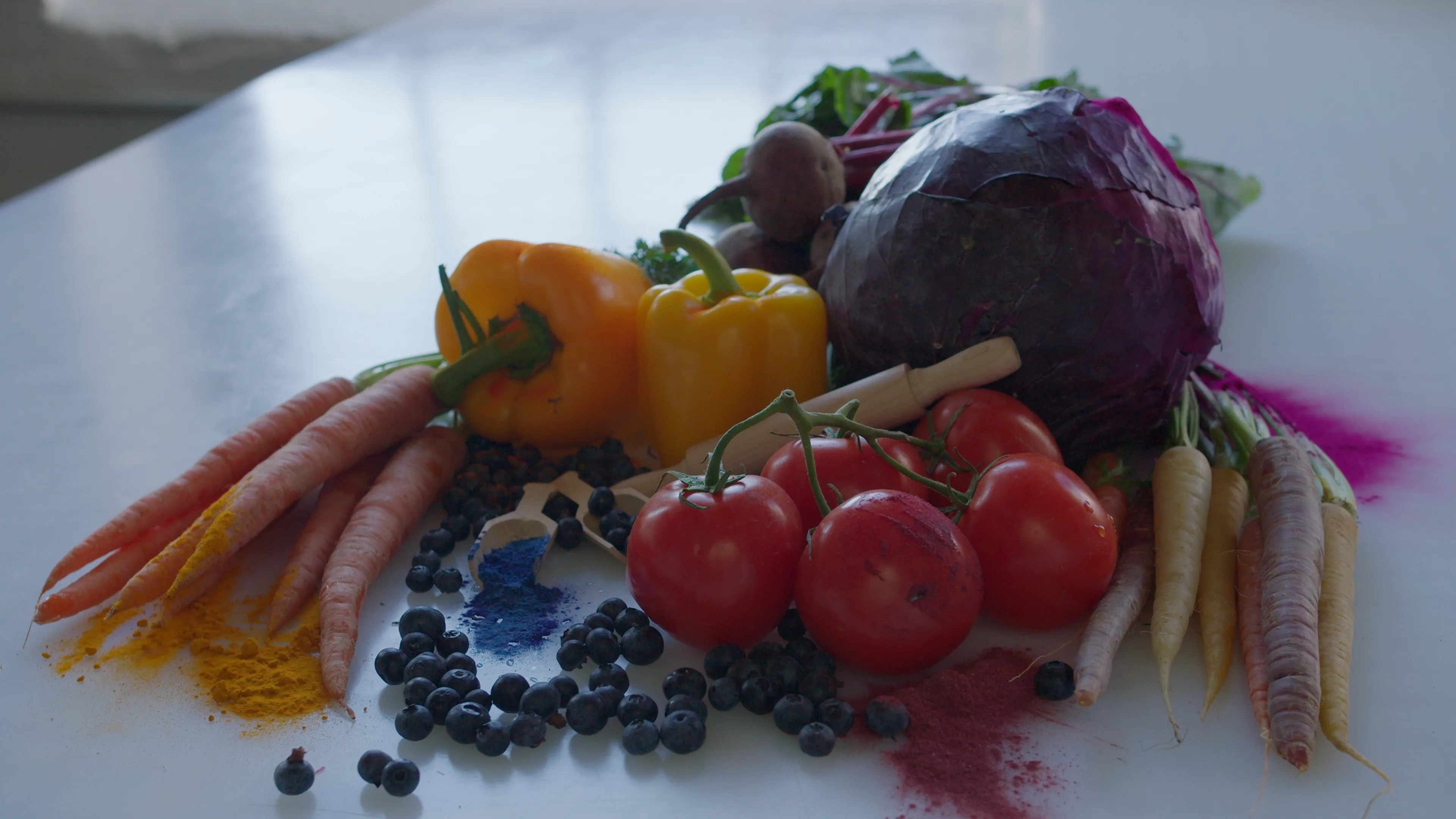
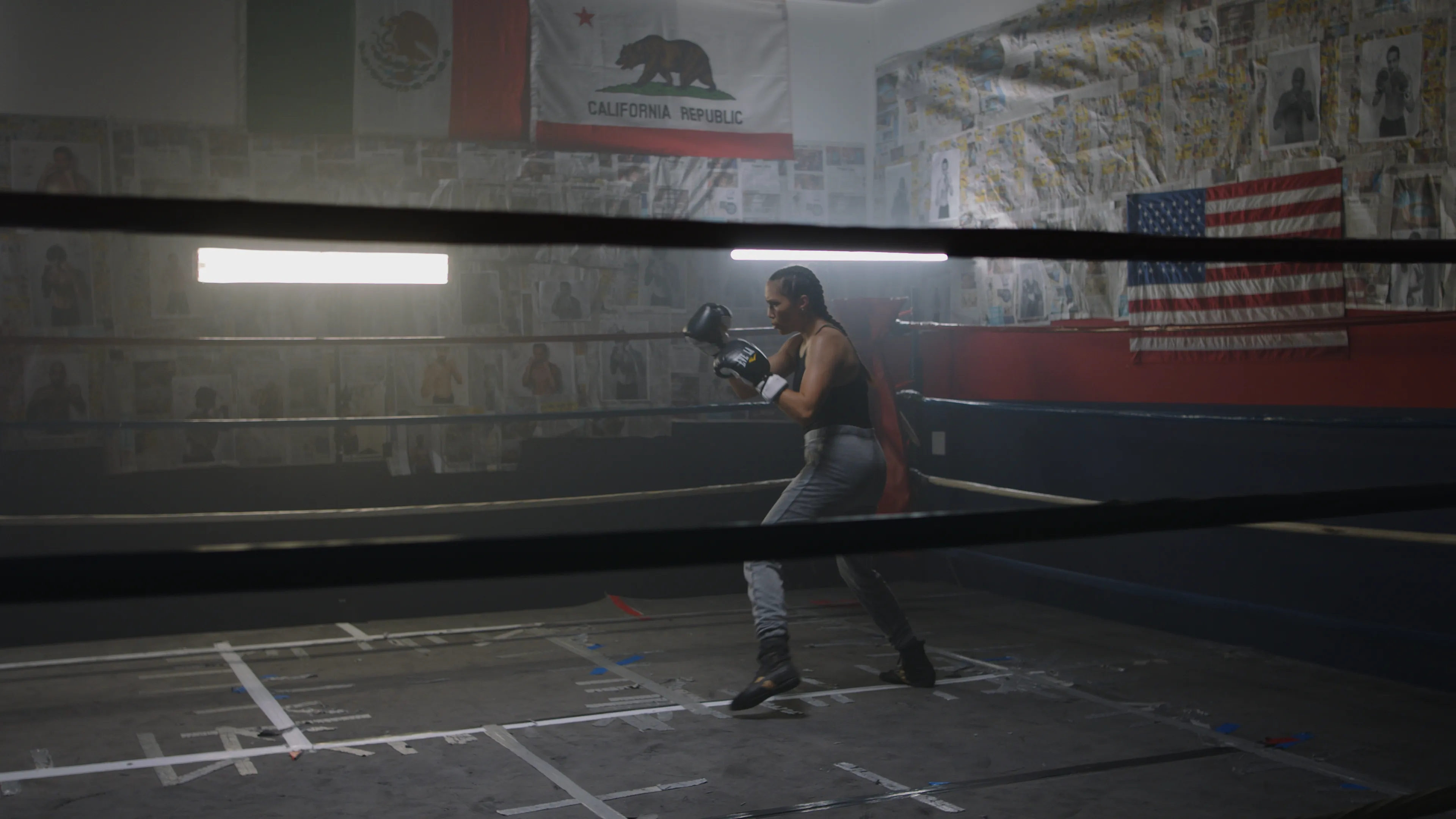
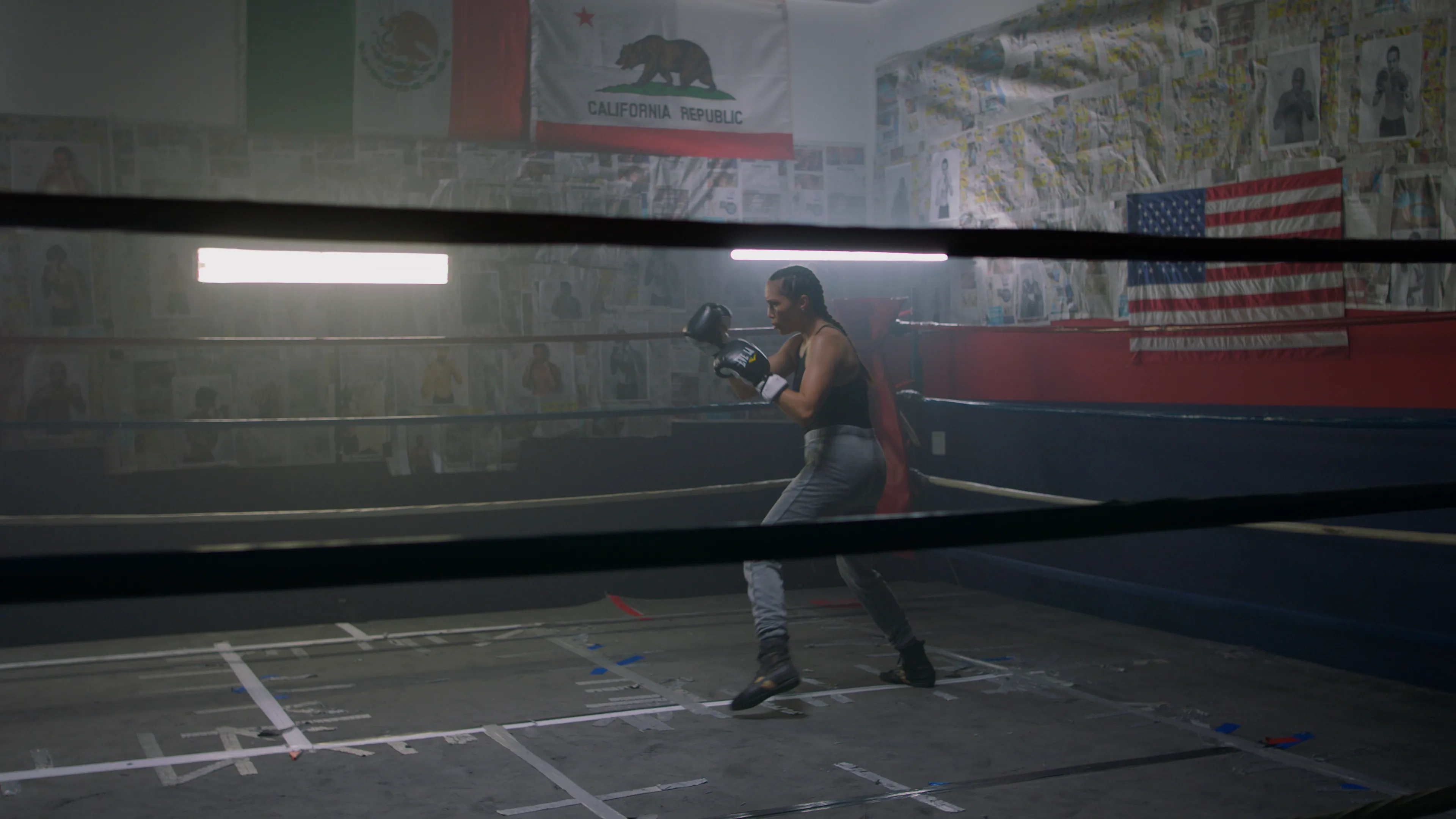
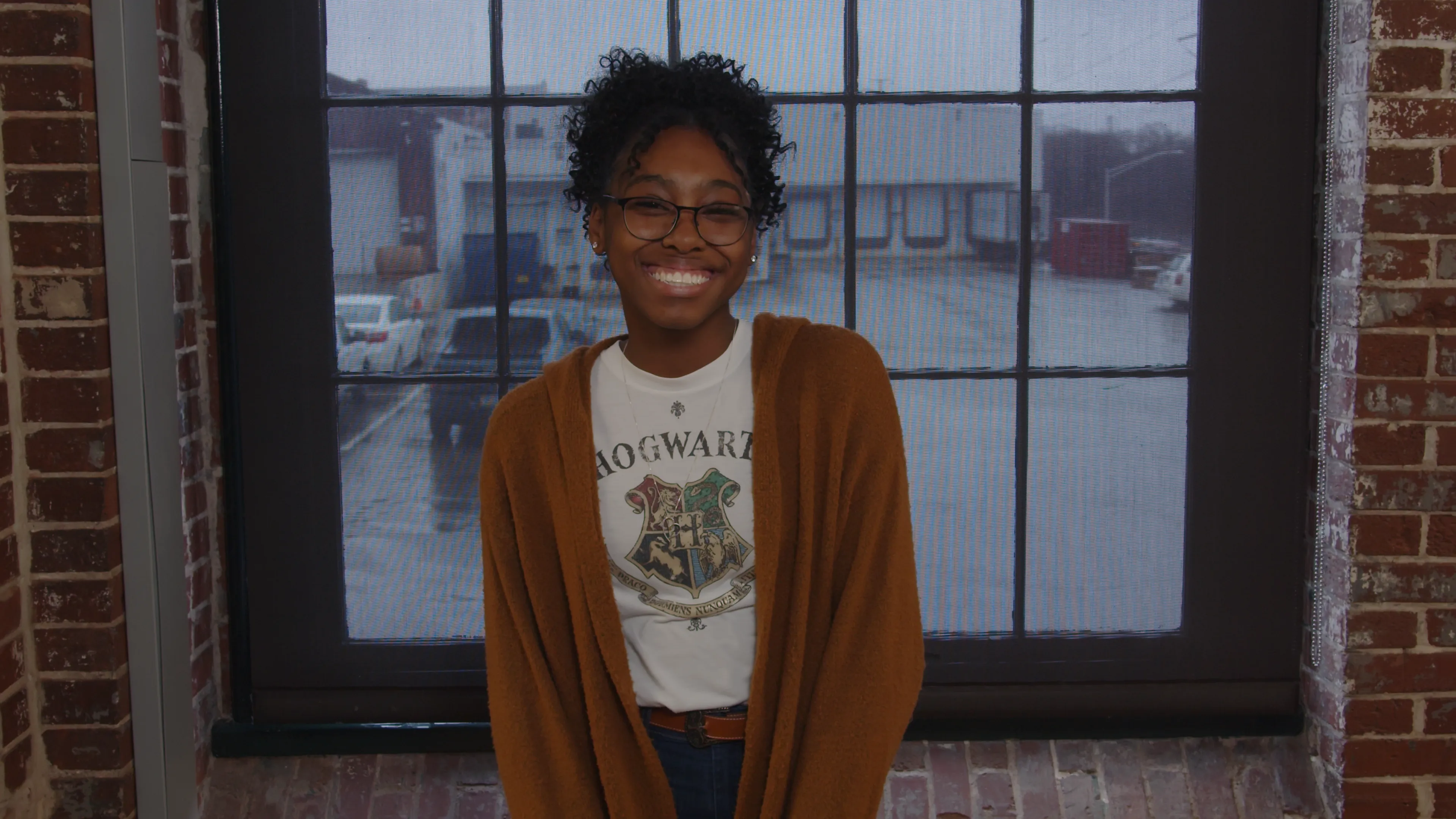
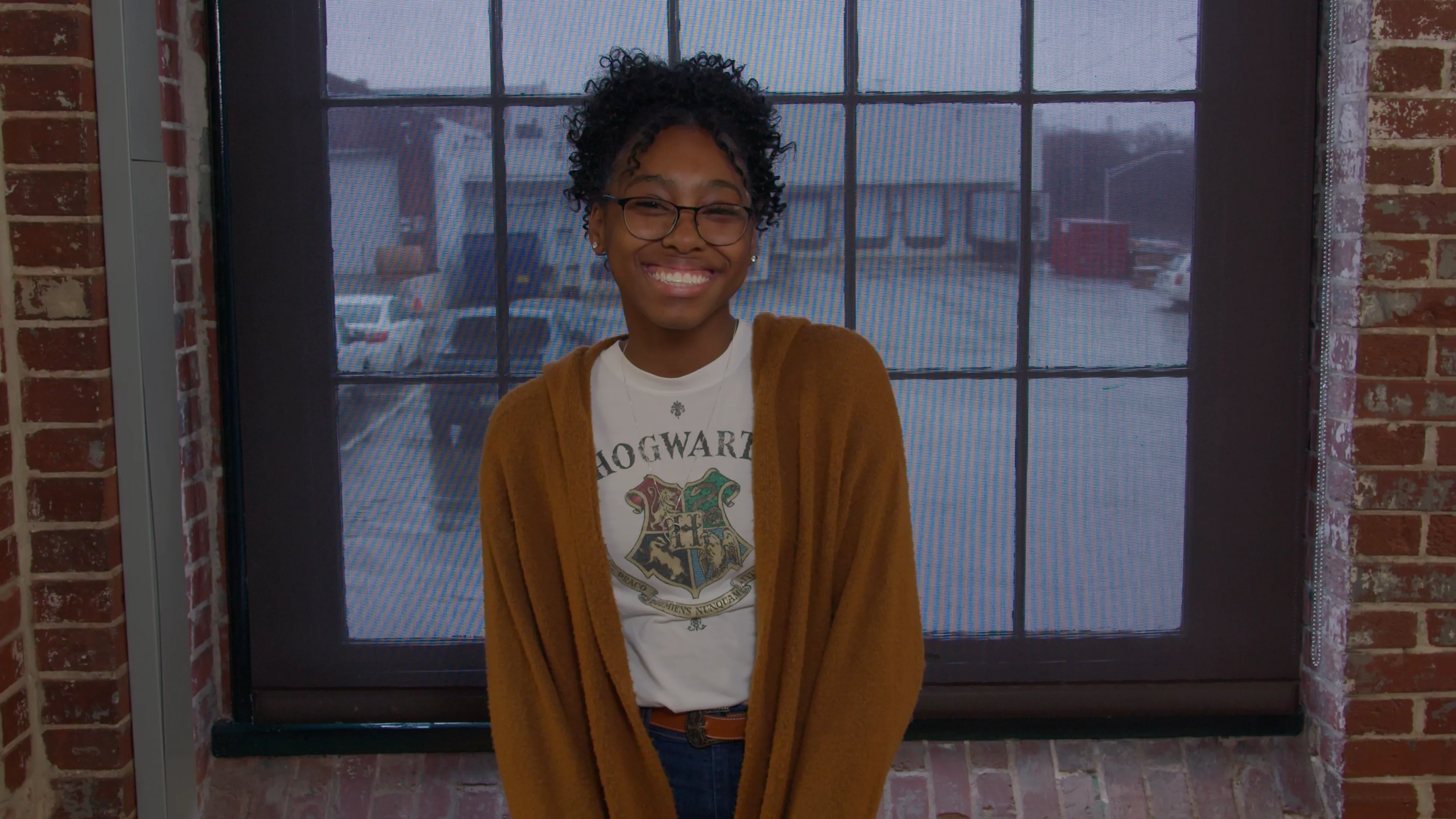
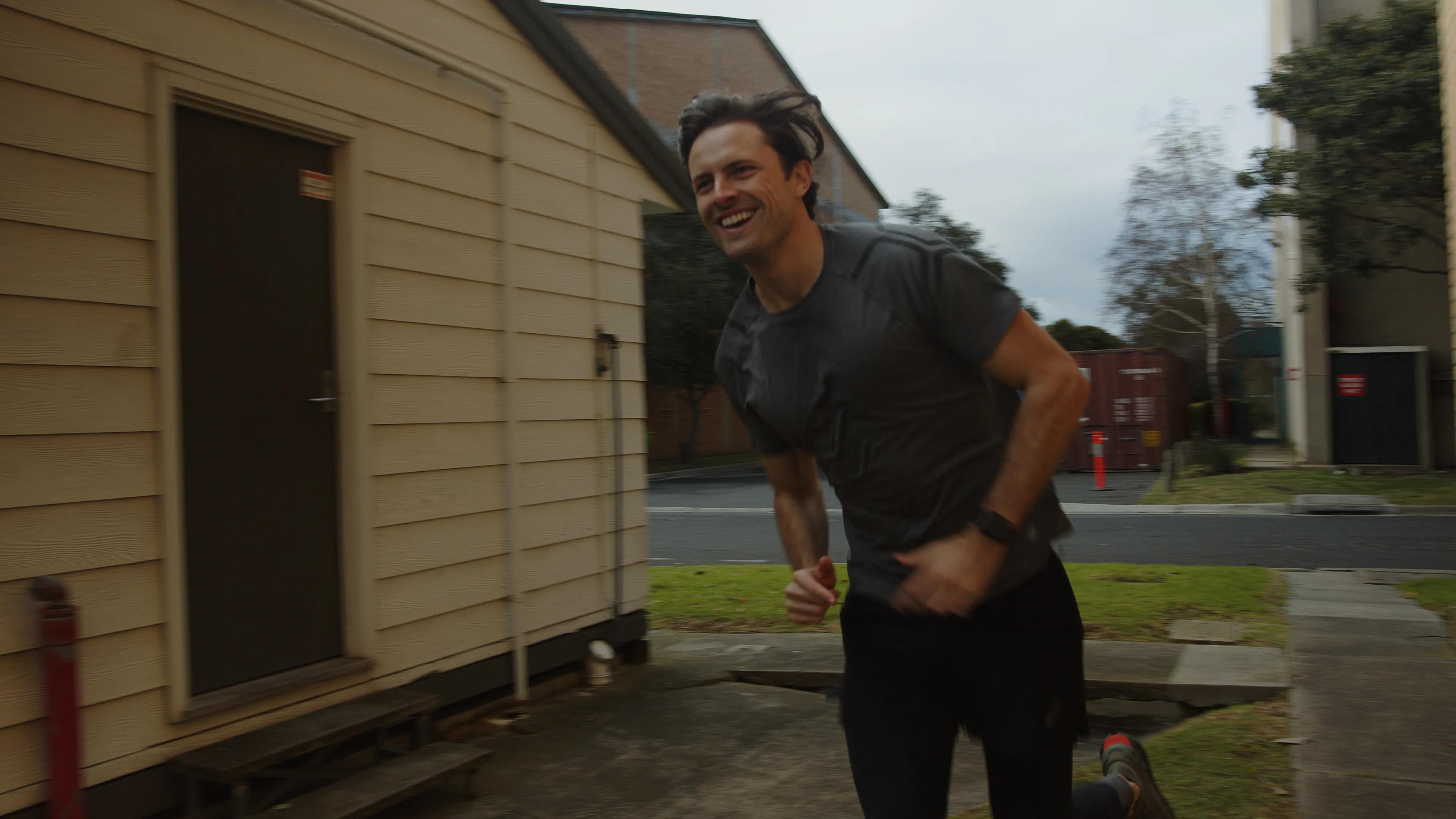
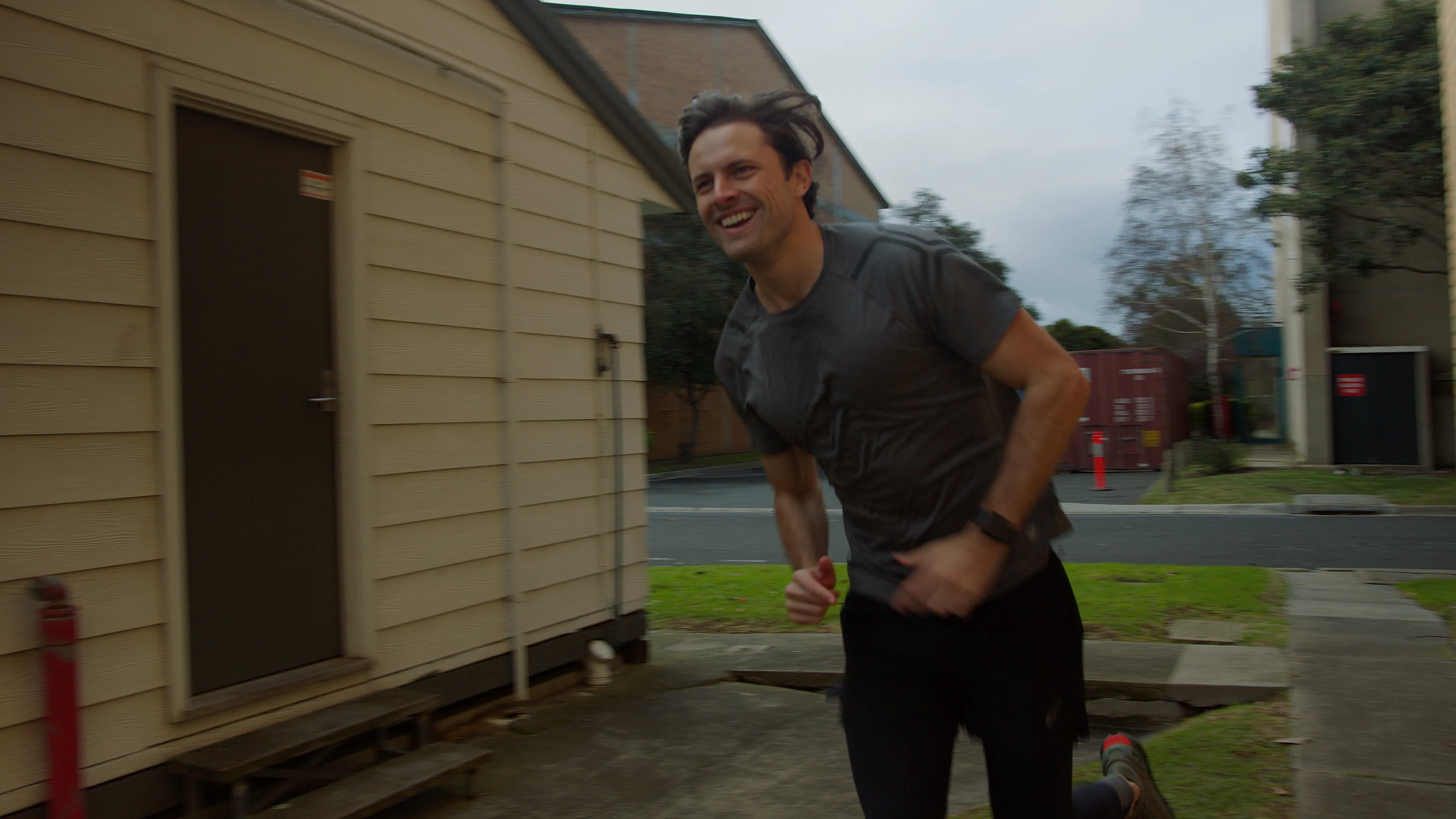
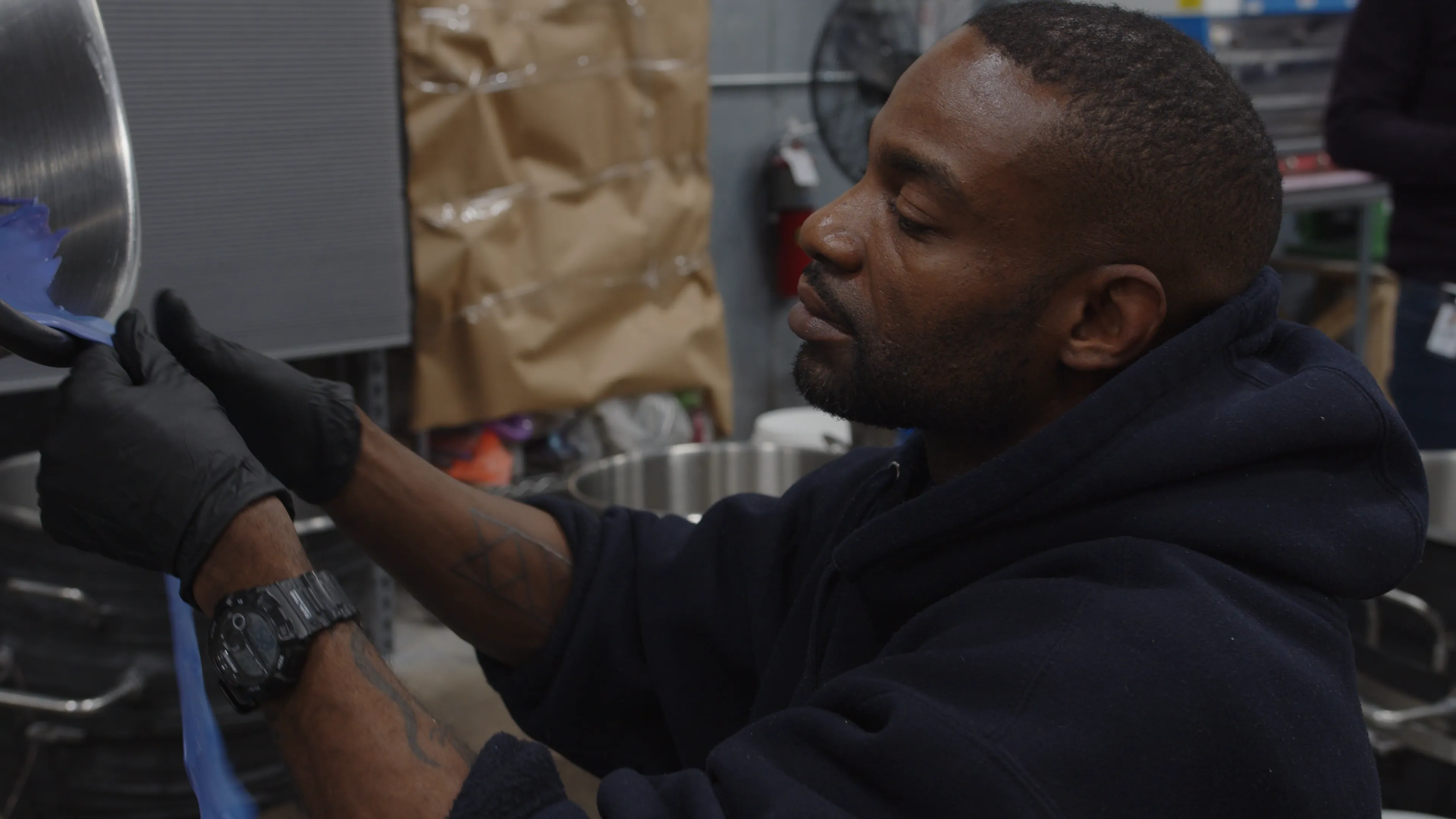
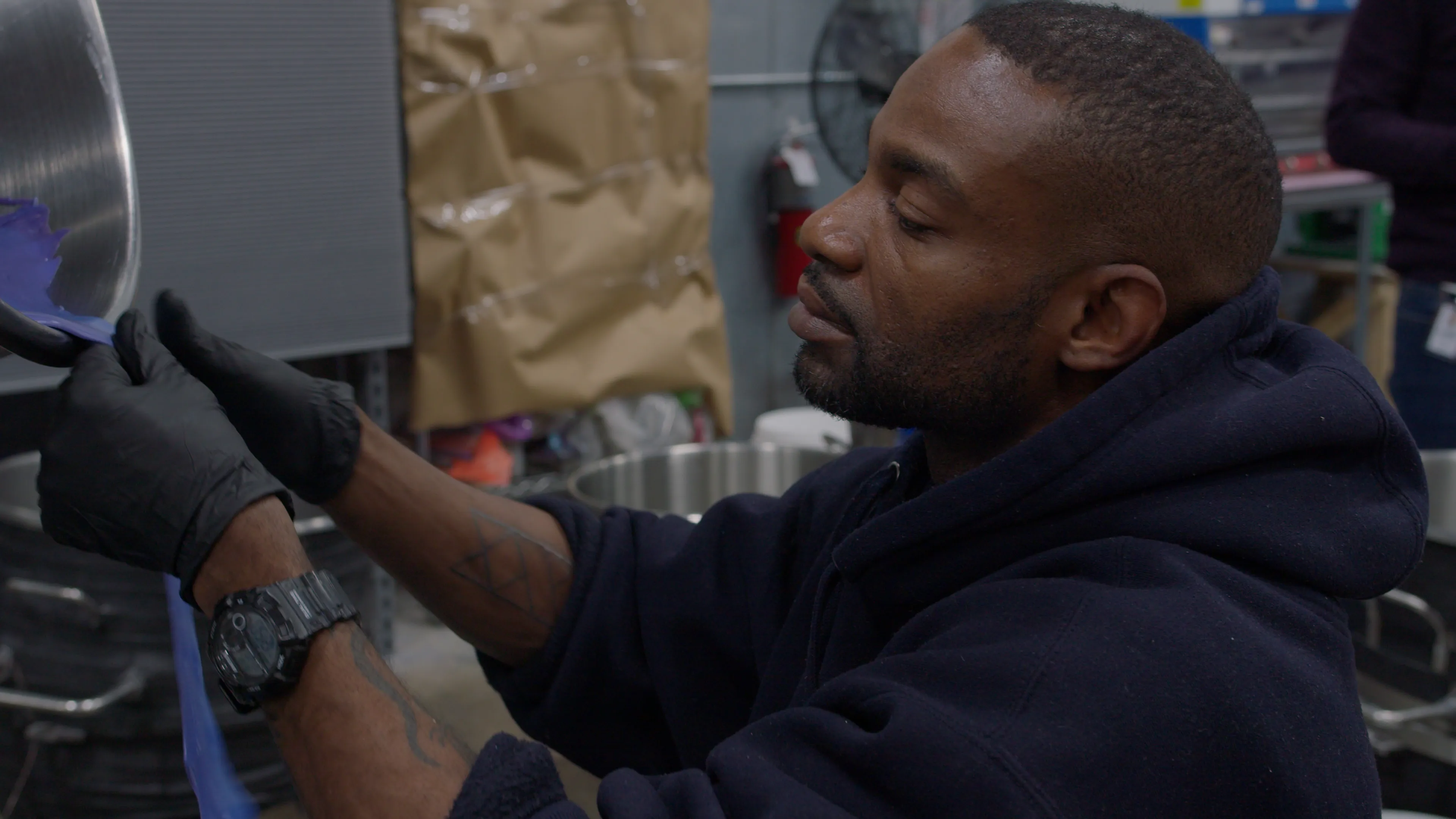
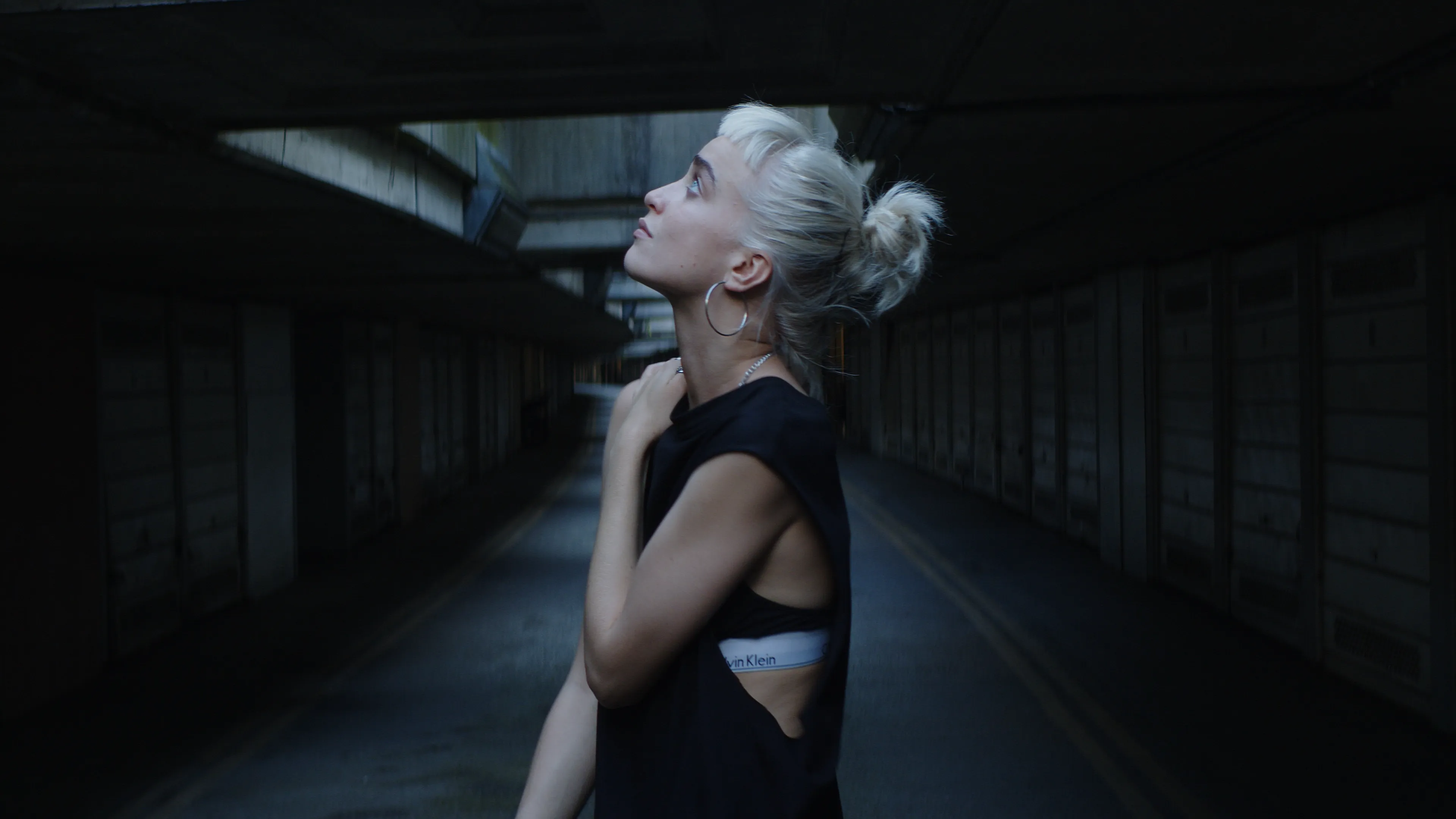
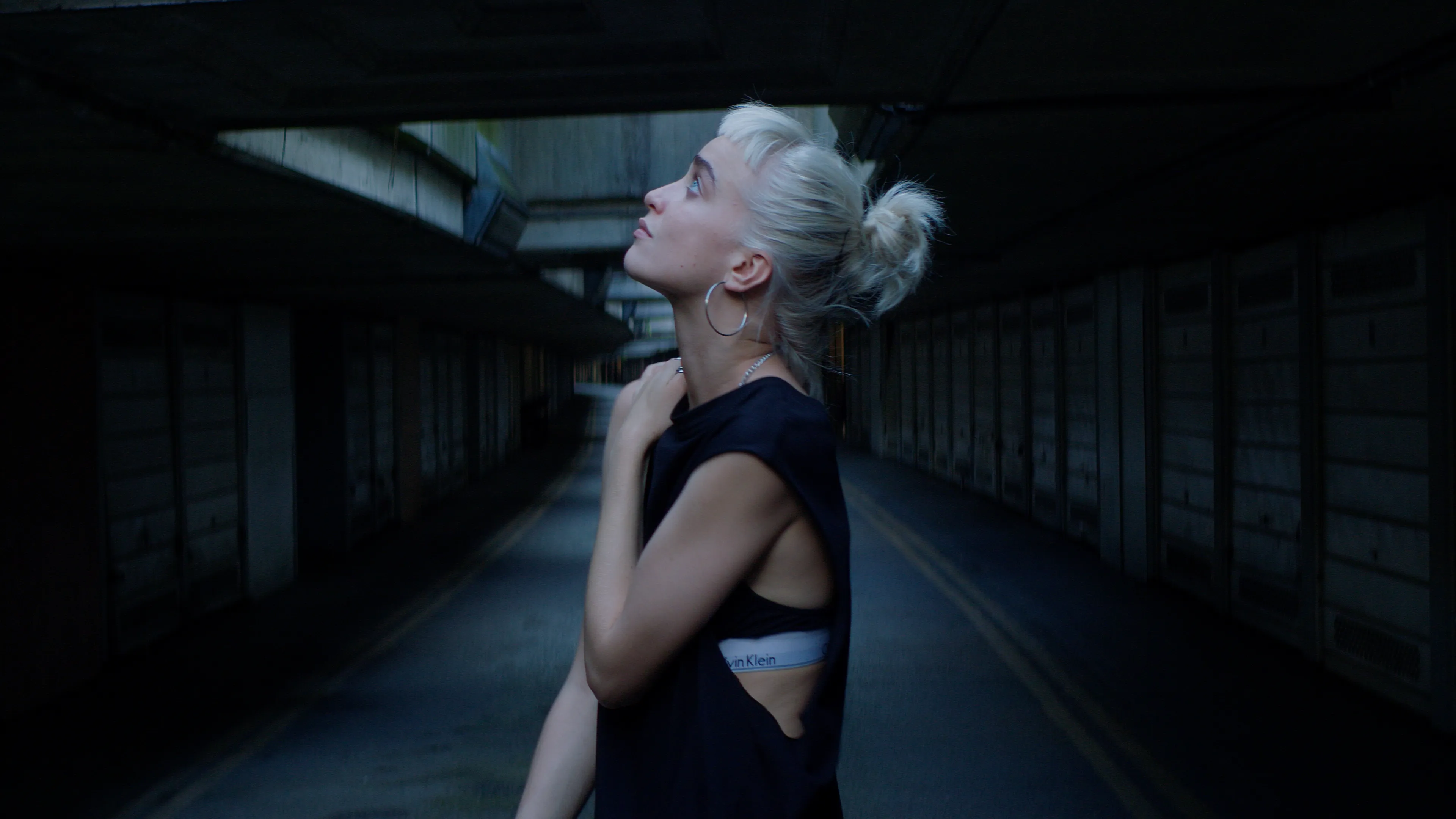
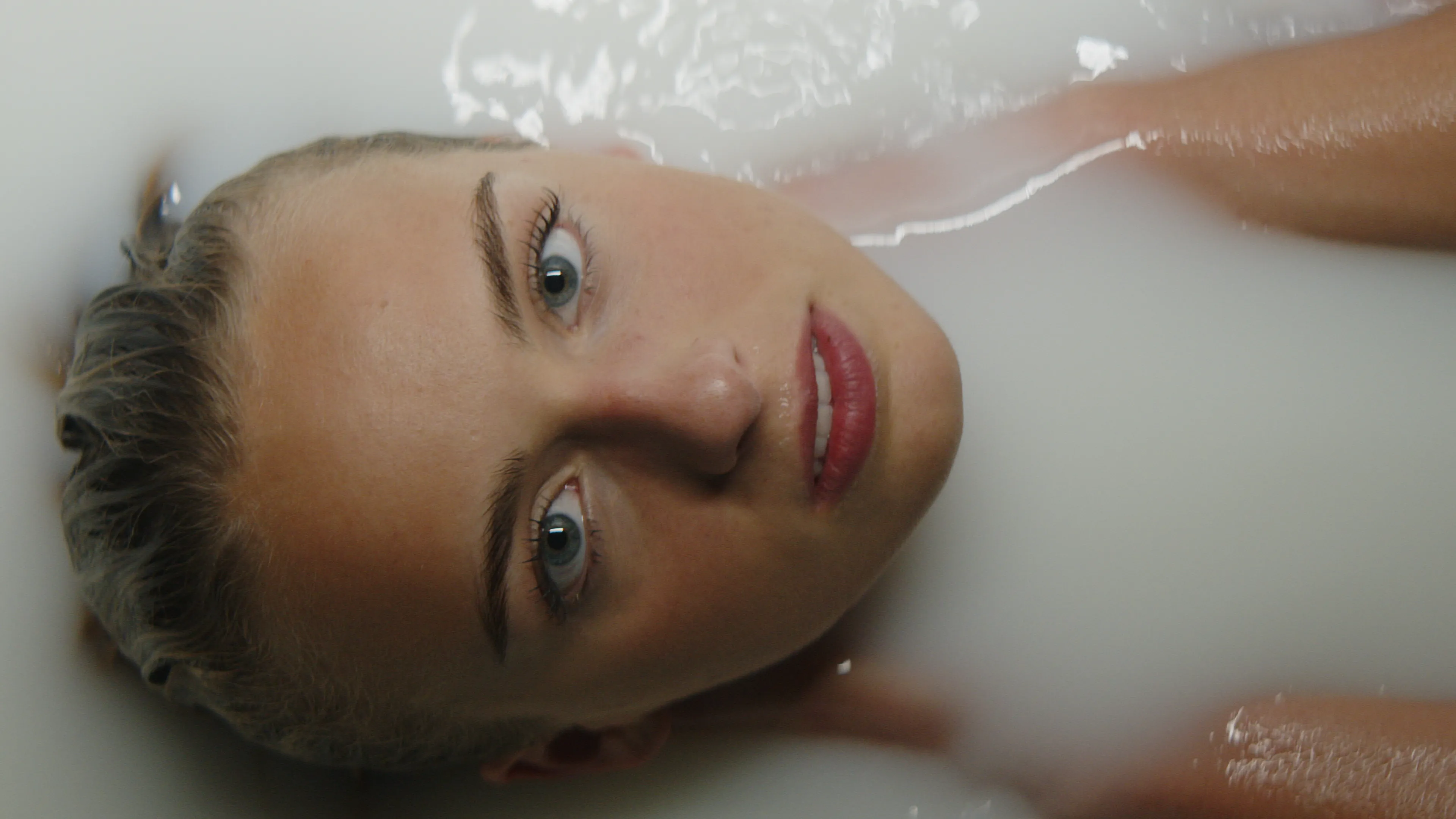
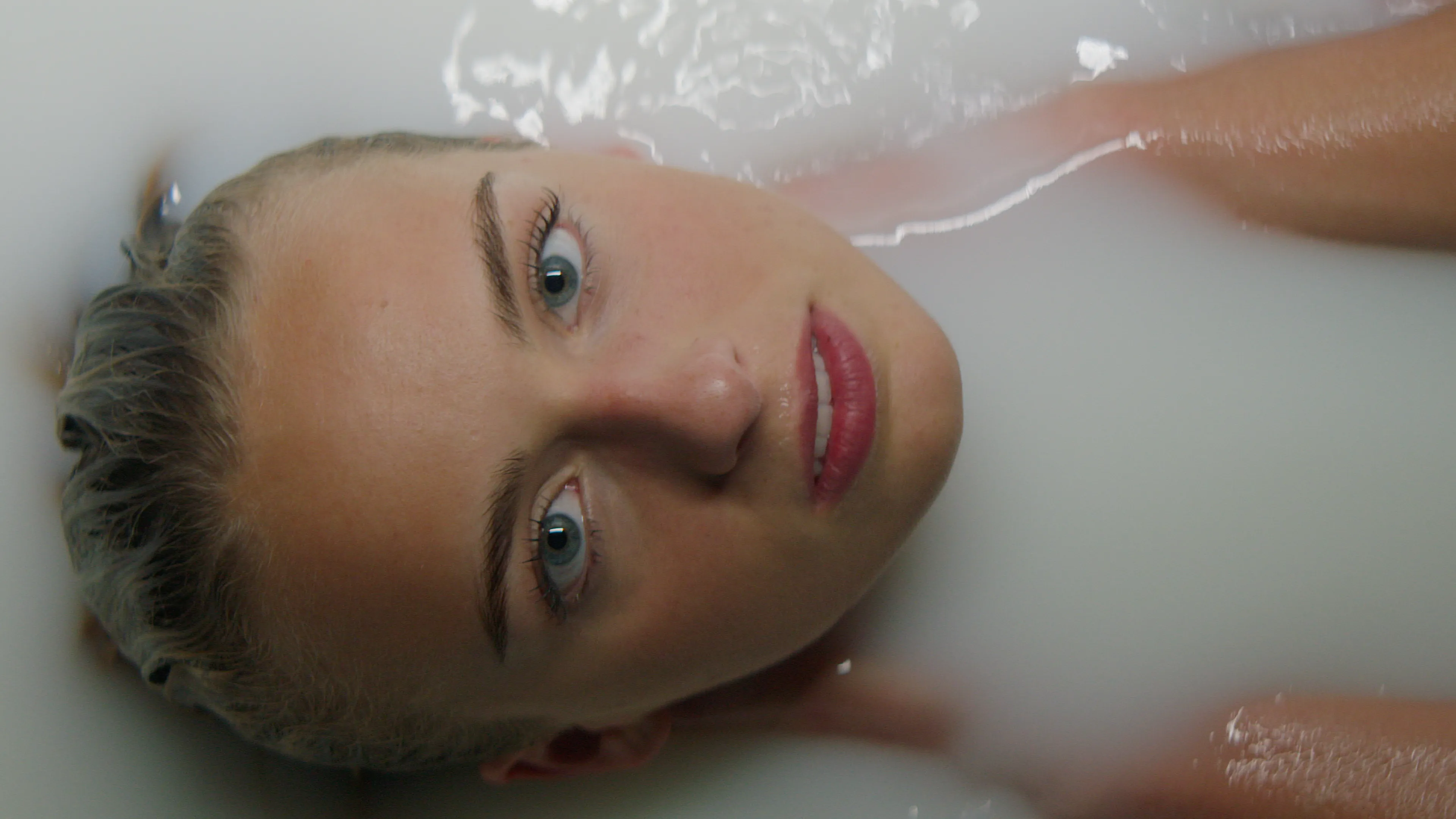
Arch Pro Plus gives you 12 distinct looks for your footage. Arch Pro Premium gives you the same looks with full DaVinci Wide Gamut support!
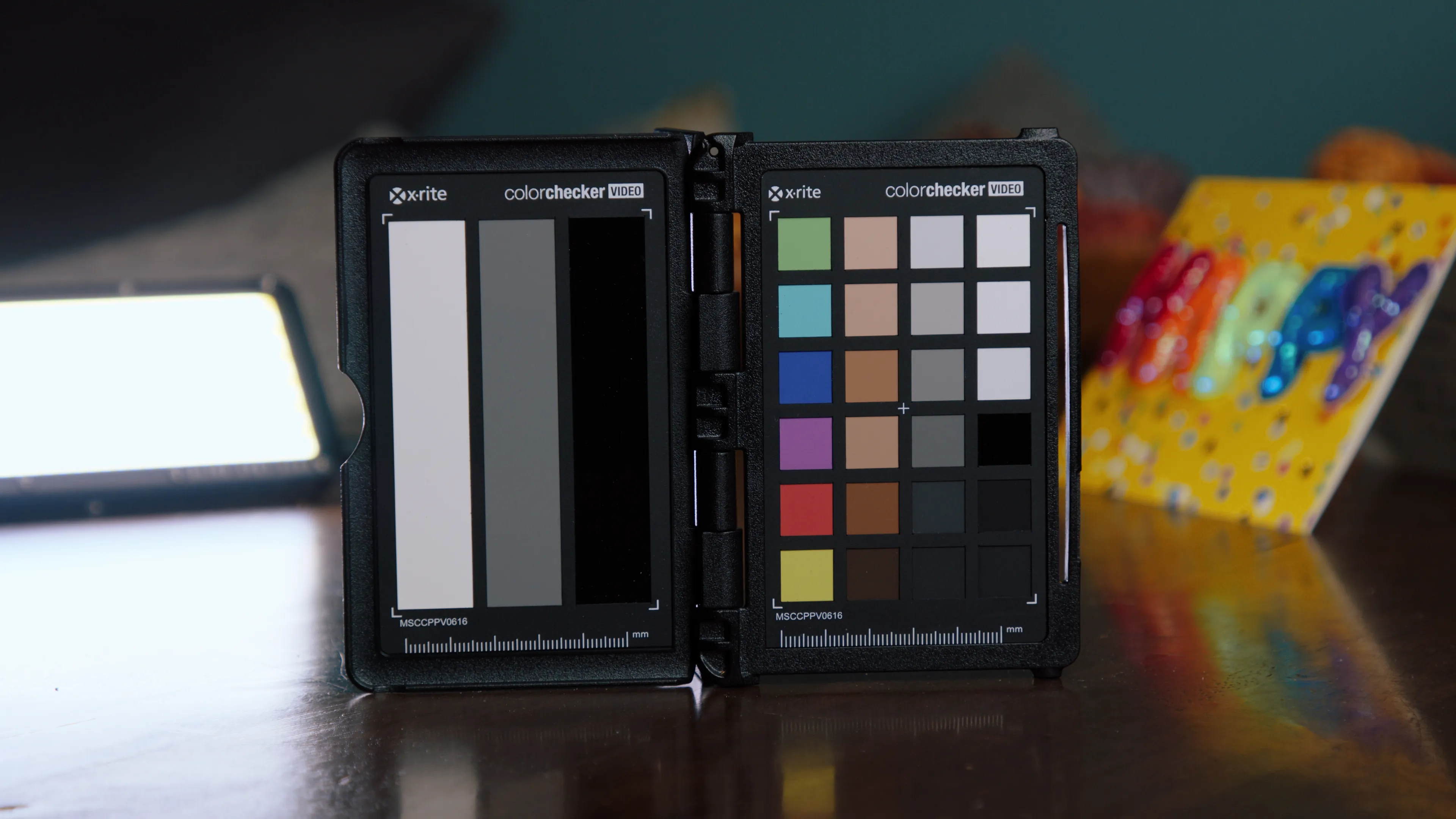
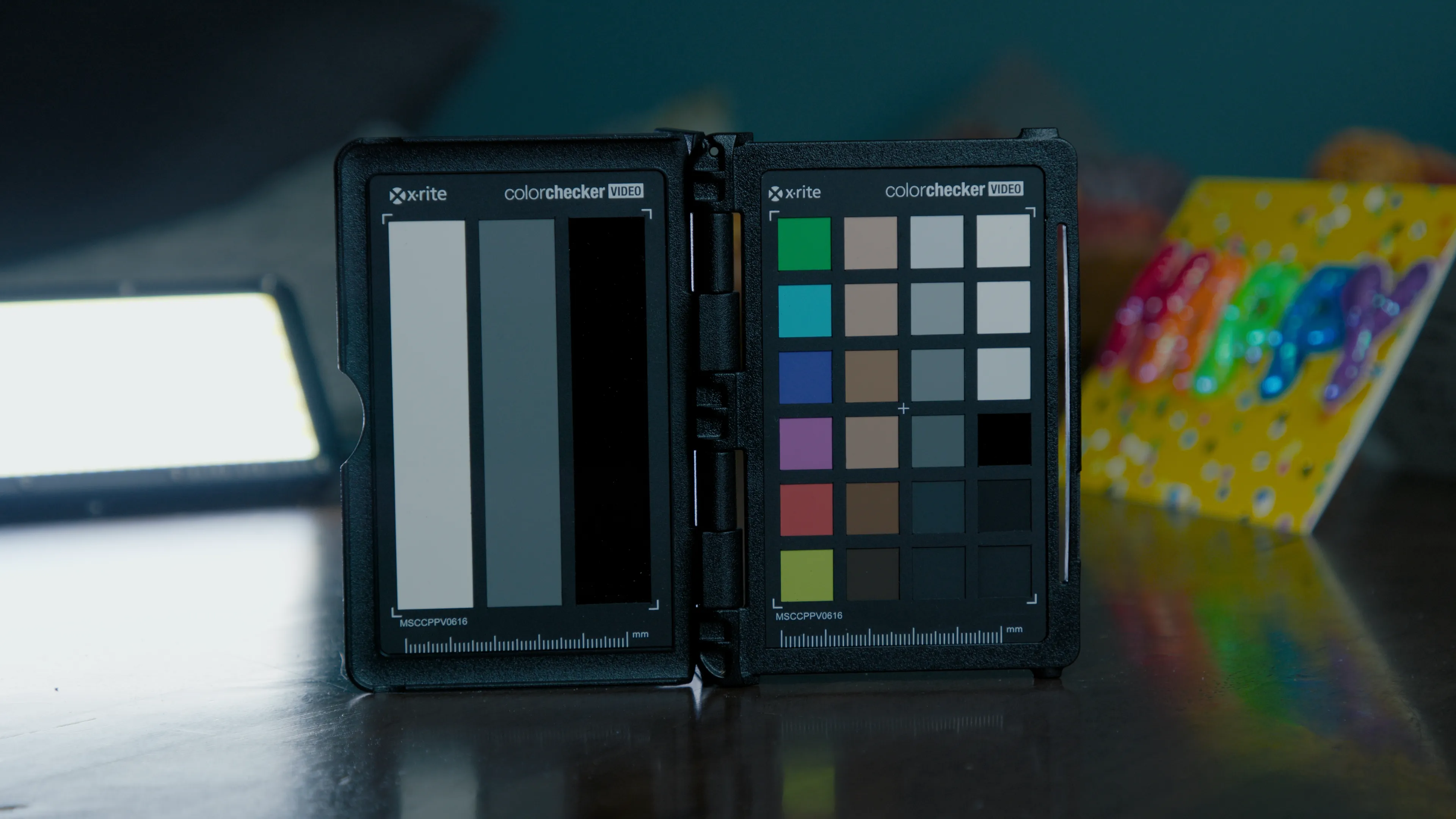
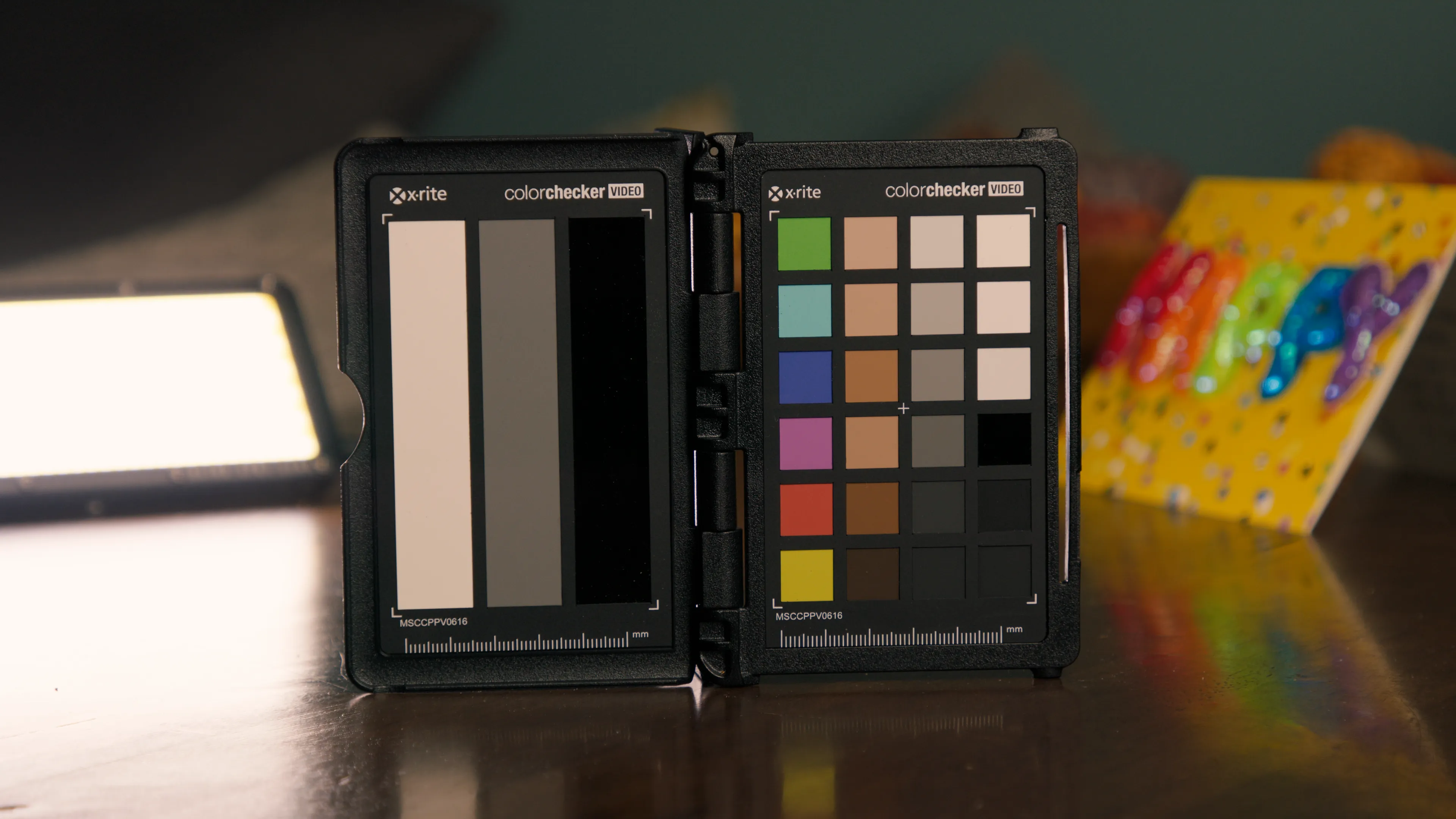
Use this nifty chart to help you decide which flavor of Arch Pro is right for you.
Not sure? Start with Plus — it’s what ~70% of customers choose! sexalarabcomkhyantmzdwjtaflamsksmtrjmt top
These are just a handful of teams that rely on Arch Pro for their productions.






The top priority of this LUT is to make skin tones—of all shades—look remarkable.

Between shooting midday weddings & music festivals, I've mastered the art of the highlight roll off!

I always find myself tinting towards magenta in-camera, so I set out to fix the green channel!

Gives you a very robust starting point that holds up to heavy grading and effects.

Yanno how the Extended Video LUT just kinda looks like mud? Well, kiss that look goodbye!

Compatible with any application that supports LUTs on Windows, Mac, and iOS.

As new LUTs are developed for the set or Blackmagic Color Science evolves, you'll get updates for free!
These classic romances often adhered to traditional narrative structures, with a dashing hero, a plucky heroine, and a romance that blossomed against the backdrop of social adversity. The couple's journey was frequently marked by obstacles, misunderstandings, and dramatic plot twists, all designed to test the strength of their feelings and ultimately lead to a triumphant union.
Contemporary media has responded by introducing complex, multidimensional characters and storylines that reflect the diversity of human experience. Shows like The Office (US), Parks and Recreation , and Schitt's Creek have popularized the "will-they-won't-they" trope, featuring quirky, flawed characters navigating the ups and downs of relationships.
The early 20th century saw the rise of romantic literature and cinema, with authors like Jane Austen, the Brontë sisters, and F. Scott Fitzgerald crafting timeless tales of love and heartbreak. On the big screen, iconic films like Casablanca (1942), Roman Holiday (1953), and The Notebook (2004) set the standard for romantic storytelling, often featuring sweeping gestures, passionate declarations, and happily-ever-after endings.
Relationships and romantic storylines have long been a staple of media, captivating audiences and inspiring imagination. As our understanding of love, relationships, and identity continues to evolve, media has responded by introducing more complex, diverse, and inclusive portrayals of romance. By reflecting the beauty, complexity, and messiness of human experience, relationships and romantic storylines in media have the power to inspire empathy, understanding, and connection. As we look to the future, it's clear that the evolution of relationships and romantic storylines will continue to shape popular culture and our collective understanding of love and relationships.
In recent years, however, relationships and romantic storylines have undergone a significant transformation. With the rise of streaming platforms, social media, and diverse voices in media, the way we consume and engage with romantic content has changed dramatically. Modern audiences crave more nuanced, realistic, and inclusive portrayals of love and relationships.
Relationships and romantic storylines have been a staple of human experience and creative expression for centuries. From ancient myths and fairy tales to modern-day blockbusters and bestsellers, the portrayal of romantic relationships has captivated audiences and sparked imagination. In this article, we'll explore the evolution of relationships and romantic storylines in media, examining their impact on popular culture and our collective understanding of love and relationships.
Movies like La La Land (2016), The Big Sick (2017), and To All the Boys I've Loved Before (2018) have also redefined the romantic comedy genre, incorporating elements of drama, tragedy, and social commentary. These films often prioritize character development, emotional authenticity, and realistic portrayals of love, relationships, and heartbreak.
These classic romances often adhered to traditional narrative structures, with a dashing hero, a plucky heroine, and a romance that blossomed against the backdrop of social adversity. The couple's journey was frequently marked by obstacles, misunderstandings, and dramatic plot twists, all designed to test the strength of their feelings and ultimately lead to a triumphant union.
Contemporary media has responded by introducing complex, multidimensional characters and storylines that reflect the diversity of human experience. Shows like The Office (US), Parks and Recreation , and Schitt's Creek have popularized the "will-they-won't-they" trope, featuring quirky, flawed characters navigating the ups and downs of relationships.
The early 20th century saw the rise of romantic literature and cinema, with authors like Jane Austen, the Brontë sisters, and F. Scott Fitzgerald crafting timeless tales of love and heartbreak. On the big screen, iconic films like Casablanca (1942), Roman Holiday (1953), and The Notebook (2004) set the standard for romantic storytelling, often featuring sweeping gestures, passionate declarations, and happily-ever-after endings.
Relationships and romantic storylines have long been a staple of media, captivating audiences and inspiring imagination. As our understanding of love, relationships, and identity continues to evolve, media has responded by introducing more complex, diverse, and inclusive portrayals of romance. By reflecting the beauty, complexity, and messiness of human experience, relationships and romantic storylines in media have the power to inspire empathy, understanding, and connection. As we look to the future, it's clear that the evolution of relationships and romantic storylines will continue to shape popular culture and our collective understanding of love and relationships.
In recent years, however, relationships and romantic storylines have undergone a significant transformation. With the rise of streaming platforms, social media, and diverse voices in media, the way we consume and engage with romantic content has changed dramatically. Modern audiences crave more nuanced, realistic, and inclusive portrayals of love and relationships.
Relationships and romantic storylines have been a staple of human experience and creative expression for centuries. From ancient myths and fairy tales to modern-day blockbusters and bestsellers, the portrayal of romantic relationships has captivated audiences and sparked imagination. In this article, we'll explore the evolution of relationships and romantic storylines in media, examining their impact on popular culture and our collective understanding of love and relationships.
Movies like La La Land (2016), The Big Sick (2017), and To All the Boys I've Loved Before (2018) have also redefined the romantic comedy genre, incorporating elements of drama, tragedy, and social commentary. These films often prioritize character development, emotional authenticity, and realistic portrayals of love, relationships, and heartbreak.