

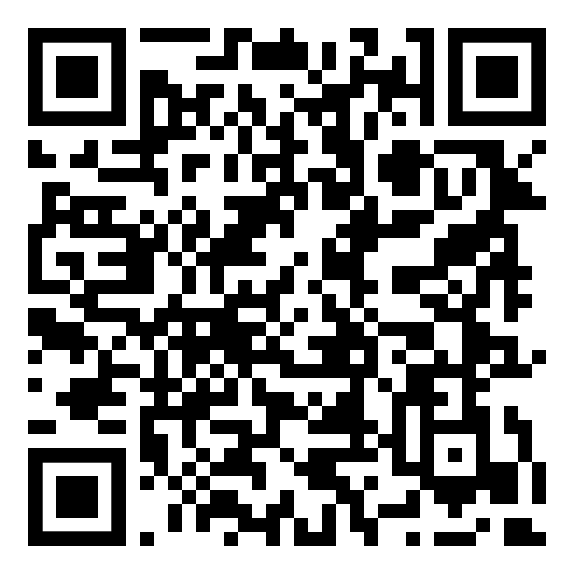

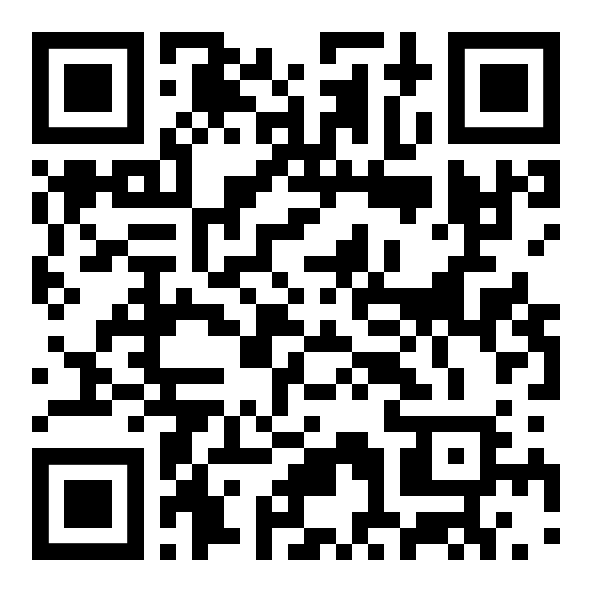
Sie haben einen Aktivierungscode von qards für S-ID-Check erhalten?
Der S-ID-Check ist das 3-D Secure-Sicherheitsverfahren für Ihre Kreditkarte. Damit kaufen Sie sicher und komfortabel mit Ihrer Kreditkarte online ein: Ein Klick in der App und Ihre Zahlung ist bestätigt.
Registrieren Sie sich bequem in der S-ID-Check-App! Ihre Kreditkarte ist damit das perfekte Zahlungsmittel für Einkäufe im Internet.
In Zusammenarbeit mit Mastercard Identity Check und Visa Secure.
When decoded, that becomes: proxy-url-file:/// Now we have something recognizable: proxy-url-file:///
Notice there are before the 3A and 2F . This is the first sign of corruption. The original data likely looked like this:
proxy-url-file%3A%2F%2F%2F
It is highly unlikely that you have arrived at this article by innocently typing proxy-url-file-3A-2F-2F-2F into a search engine. More plausibly, you are a developer debugging a corrupted log file, a security analyst investigating an odd network request, or a system administrator trying to decipher why an application crashed.
log.debug("Proxy request: " + userInput); If userInput contains %3A%2F%2F%2F , the logging system might interpret the percent signs as formatting instructions (like %s , %d in printf ). To avoid crashes, it strips or replaces % with - (or another safe character), producing -3A-2F-2F-2F . After further concatenation, you see proxy-url-file-3A-2F-2F-2F . A proxy application receives proxy-url-file:/// from the user. The app, trying to be safe, URL-encodes the entire string. : becomes %3A . / becomes %2F . So :/// becomes %3A%2F%2F%2F . The full string becomes: proxy-url-file%3A%2F%2F%2F .
When decoded, that becomes: proxy-url-file:/// Now we have something recognizable: proxy-url-file:///
Notice there are before the 3A and 2F . This is the first sign of corruption. The original data likely looked like this: proxy-url-file-3A-2F-2F-2F
proxy-url-file%3A%2F%2F%2F
It is highly unlikely that you have arrived at this article by innocently typing proxy-url-file-3A-2F-2F-2F into a search engine. More plausibly, you are a developer debugging a corrupted log file, a security analyst investigating an odd network request, or a system administrator trying to decipher why an application crashed. When decoded, that becomes: proxy-url-file:/// Now we have
log.debug("Proxy request: " + userInput); If userInput contains %3A%2F%2F%2F , the logging system might interpret the percent signs as formatting instructions (like %s , %d in printf ). To avoid crashes, it strips or replaces % with - (or another safe character), producing -3A-2F-2F-2F . After further concatenation, you see proxy-url-file-3A-2F-2F-2F . A proxy application receives proxy-url-file:/// from the user. The app, trying to be safe, URL-encodes the entire string. : becomes %3A . / becomes %2F . So :/// becomes %3A%2F%2F%2F . The full string becomes: proxy-url-file%3A%2F%2F%2F . More plausibly, you are a developer debugging a
