Open source RGB lighting control that doesn't depend on manufacturer software


One of the biggest complaints about RGB is the software ecosystem surrounding it. Every manufacturer has their own app, their own brand, their own style. If you want to mix and match devices, you end up with a ton of conflicting, functionally identical apps competing for your background resources. On top of that, these apps are proprietary and Windows-only. Some even require online accounts. What if there was a way to control all of your RGB devices from a single app, on both Windows and Linux, without any nonsense? That is what OpenRGB sets out to achieve. One app to rule them all.


Version 1.0rc2, additional downloads and versions on Releases page

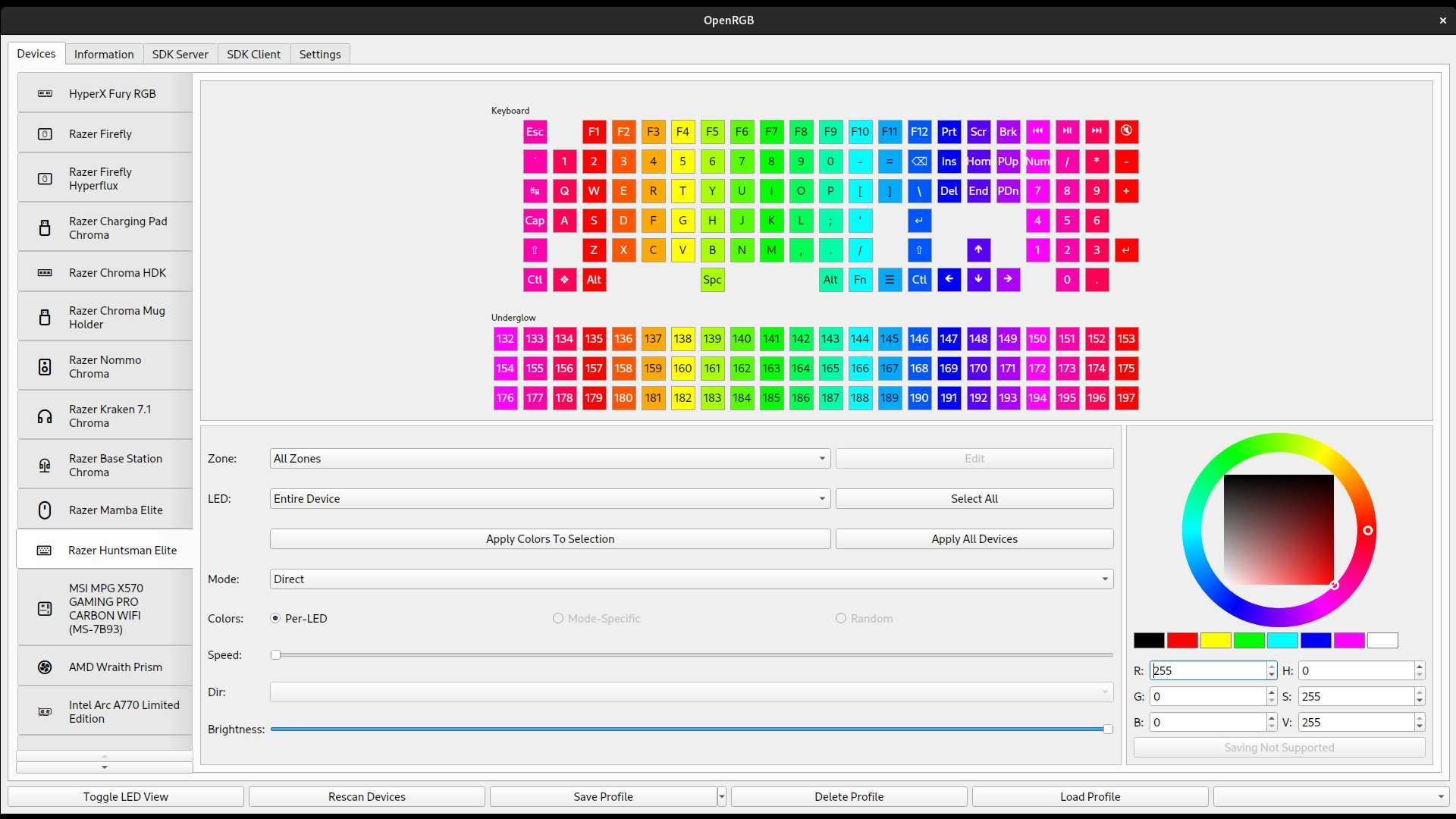
OpenRGB user interface

Control RGB without wasting system resources

Lightweight User Interface

OpenRGB keeps it simple with a lightweight user interface that doesn't waste background resources with excessive custom images and styles. It is light on both RAM and CPU usage, so your system can continue to shine without cutting into your gaming or productivity performance.
OpenRGB rules them all

Control RGB from a single app

Eliminate Bloatware

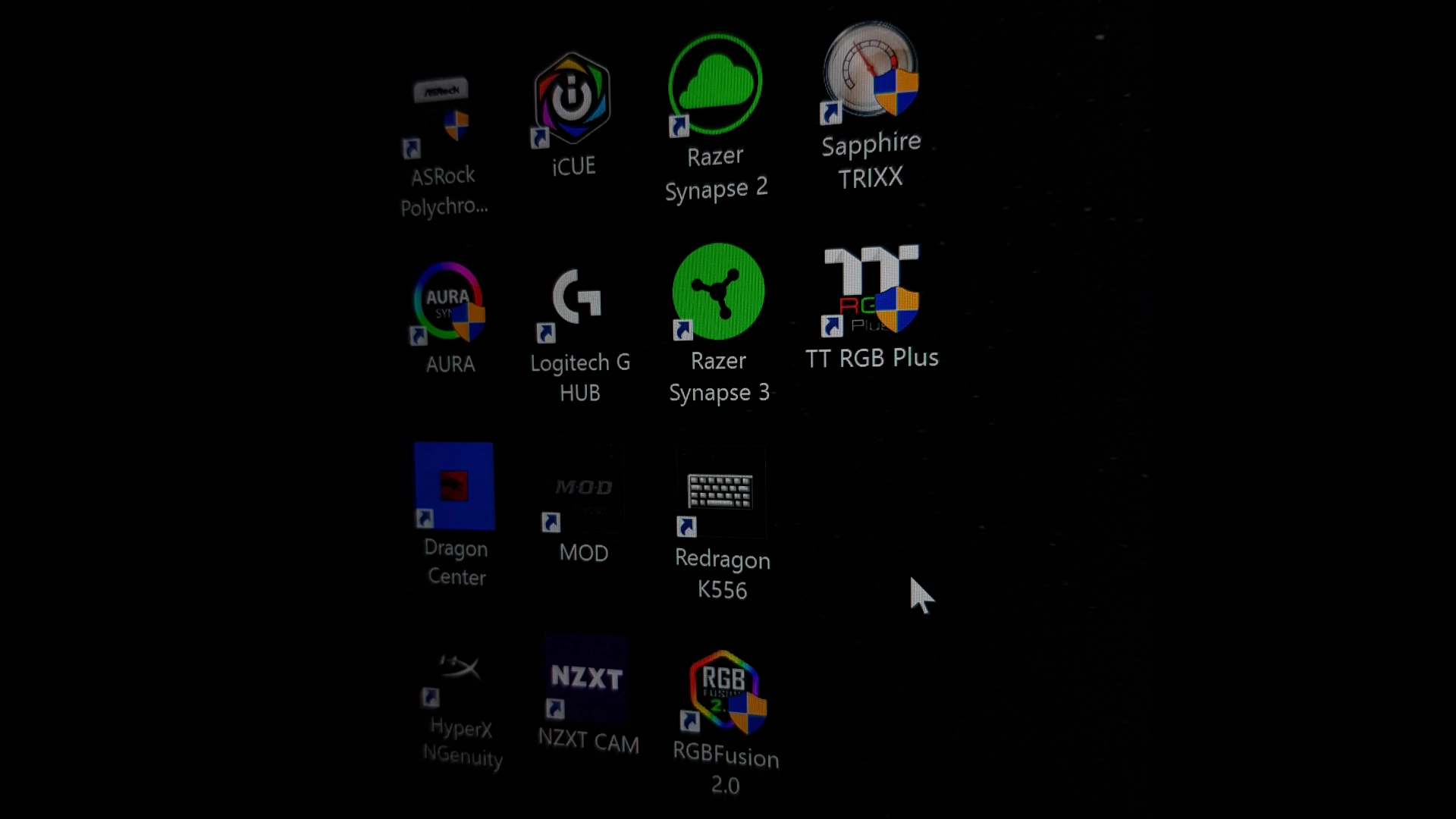
If you have RGB devices from many different manufacturers, you will likely have many different programs installed to control all of your devices. These programs do not sync with each other, and they all compete for your system resources. OpenRGB aims to replace every single piece of proprietary RGB software with one lightweight app.

OpenRGB is open source software

Contribute your RGB devices

Open Source

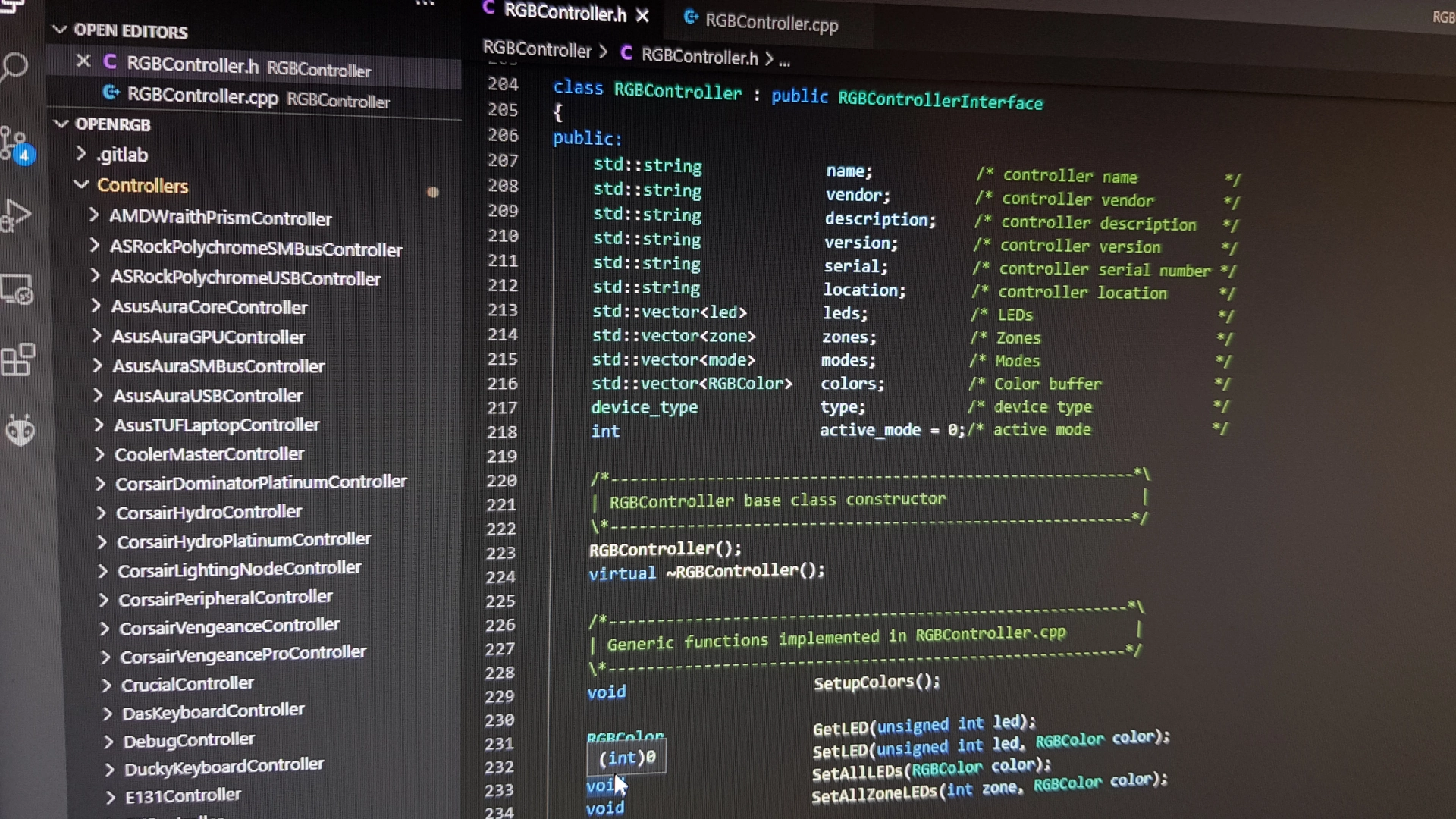
OpenRGB is free and open source software under the GNU General Public License version 2. This means anyone is free to view and modify the code. If you know C++, you can add your own device with our flexible RGB hardware abstraction layer. Being open source means more devices are constantly being added!


Check out the source code on GitLab
OpenRGB is Cross-Platform

Control RGB on Windows, Linux, and MacOS

Cross-Platform

OpenRGB runs on Windows, Linux and MacOS. No longer is RGB control a Windows-exclusive feature! OpenRGB has been tested on X86, X86_64, ARM32, and ARM64 processors including ARM mini-PCs such as the Raspberry Pi.

Ngentot Bocah Sd <TRUSTED>

In the past, the typical image of an Indonesian elementary school child (bocah SD) was simple: a blue and white uniform, a heavy backpack, a plate of warm chicken porridge in the morning, and afternoons spent running in the muddy rice fields or watching Upin & Ipin until Maghrib.

By: Trends Editor

The modern bocah SD is a hybrid being: half traditional Indonesian playfulness, half digital global citizen. And if we guide them well, their lifestyle will be the richest yet. Are you a parent struggling to manage the "bocah SD" lifestyle in your home? Share your tips for balancing gaming and homework in the comments below. ngentot bocah sd

The key to success is . Let them enjoy the boba, let them fight bosses in Genshin Impact , and let them watch Jepang anime. But don't let them forget the feeling of grass on their feet, the taste of a real kelereng (marbles) in their mouth (just kidding—safety first!), or the joy of reading a Komik Si Juki on paper. In the past, the typical image of an

Fast forward to 2026, and the bocah SD lifestyle and entertainment landscape looks radically different. Today’s kids are digital natives. They navigate TikTok dances before they master long division, and they have opinions about streaming services that would rival a film critic. Are you a parent struggling to manage the

But what exactly defines the current lifestyle and entertainment choices for elementary school children? Is it all doom and gloom regarding screen time, or is there a healthy balance? This article dives deep into the bedrooms, schoolyards, and digital devices of Indonesia’s youngest generation. The lifestyle of a bocah SD is no longer linear (Home-School-Play). It is a multitrack hybrid. The "Digital Native" Morning Wake-up calls are no longer human. Most bocah SD wake up to alarms on hand-me-down smartphones or smartwatches. While parents rush to prepare breakfast, the child negotiates 15 minutes of "relax time"—which usually means scrolling through YouTube Shorts or completing a level on Roblox .