The codename "Mirages Defection -v1.02- -Completed-" suggests that there may be ongoing efforts to analyze and understand this phenomenon, potentially with the goal of developing predictive models or policy recommendations. As the global landscape continues to evolve, it is essential to remain vigilant and informed about the dynamics of mirages defection.
In the realm of optics, mirages have long been a subject of fascination and intrigue. These optical illusions, which occur when light is refracted through layers of air with varying temperatures and densities, can create the appearance of objects or images that are not actually present. However, in the context of politics and international relations, the term "mirages defection" takes on a different connotation. Specifically, it refers to the phenomenon of countries or leaders switching allegiances or abandoning their previous alliances, often with significant consequences.
The codename "Mirages Defection -v1.02- -Completed-" appears to be related to a specific project or initiative focused on analyzing and understanding the phenomenon of mirages defection. The "v1.02" suggests that this is a versioned project, with the "-Completed-" suffix indicating that the project has reached a milestone.
Mirages defection is a complex and multifaceted phenomenon that can have significant implications for international relations, global stability, and regional security. Understanding the causes, implications, and notable examples of mirages defection is essential for policymakers, researchers, and analysts seeking to navigate the complex landscape of international relations.
The term "Mirages Defection -v1.02- -Completed-" appears to be a codename or a project title related to this concept. This article aims to provide a comprehensive analysis of the phenomenon of mirages defection, exploring its causes, implications, and notable examples. We will also examine the possible connections between this concept and the mysterious codename.
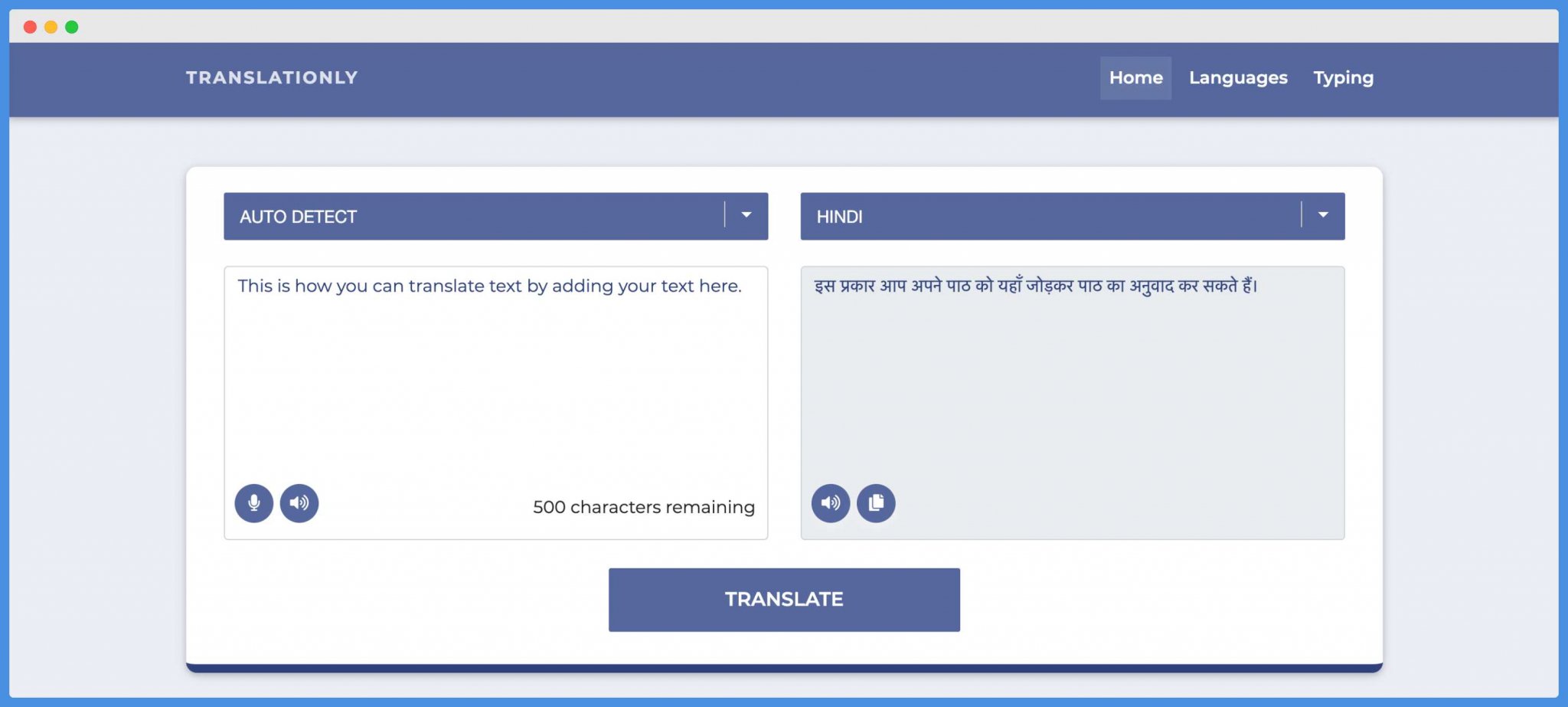
If you're having trouble translating your text from one language to another using translationly, then you can follow these steps to translate your text perfectly.
To translate your text, first of all, you've to choose the "Arabic as input language" and "Tamil as output language" in translationly. You can also check our supported languages for translation here.
Once you've chosen the "input" and "output" language, enter your text to be translated in the first box, or the input box (We recommend the text you want to translate must be the plain text for better translation).
Once you have entered the text which is to be translated in the input box, click on the "Translate" button, and you'll get the output of translated text in your preferred language.
The App is free and easy to use with all the functionality of Translationly.
Our impressive flexibility of multilingual language translation is what make it more impressive.
Save your time and hassle to write. Just speak and our AI will write for you. Mirages Defection -v1.02- -Completed-
A website designed to be used on any kind of platform available. No worries for browser compatibility.
Not only we translate to different language. We also provide you with the facility to write your native vocabulary in any language and convert it to yours native. The codename "Mirages Defection -v1
Want to use tranlationly to translate content of your website or to traslate your blog post as you write? Use our API.
One API for all the features to use on your website. These optical illusions, which occur when light is
Our API Feature is much easy to use and highly customization as per your need.
The codename "Mirages Defection -v1.02- -Completed-" suggests that there may be ongoing efforts to analyze and understand this phenomenon, potentially with the goal of developing predictive models or policy recommendations. As the global landscape continues to evolve, it is essential to remain vigilant and informed about the dynamics of mirages defection.
In the realm of optics, mirages have long been a subject of fascination and intrigue. These optical illusions, which occur when light is refracted through layers of air with varying temperatures and densities, can create the appearance of objects or images that are not actually present. However, in the context of politics and international relations, the term "mirages defection" takes on a different connotation. Specifically, it refers to the phenomenon of countries or leaders switching allegiances or abandoning their previous alliances, often with significant consequences.
The codename "Mirages Defection -v1.02- -Completed-" appears to be related to a specific project or initiative focused on analyzing and understanding the phenomenon of mirages defection. The "v1.02" suggests that this is a versioned project, with the "-Completed-" suffix indicating that the project has reached a milestone.
Mirages defection is a complex and multifaceted phenomenon that can have significant implications for international relations, global stability, and regional security. Understanding the causes, implications, and notable examples of mirages defection is essential for policymakers, researchers, and analysts seeking to navigate the complex landscape of international relations.
The term "Mirages Defection -v1.02- -Completed-" appears to be a codename or a project title related to this concept. This article aims to provide a comprehensive analysis of the phenomenon of mirages defection, exploring its causes, implications, and notable examples. We will also examine the possible connections between this concept and the mysterious codename.