
Langka Ica Kane Nyepong Ngewe Bareng Lakinya Mantap Doi Indo18 Top -

  • langka ica kane nyepong ngewe bareng lakinya mantap doi indo18 top
  • langka ica kane nyepong ngewe bareng lakinya mantap doi indo18 top
  • langka ica kane nyepong ngewe bareng lakinya mantap doi indo18 top
  • langka ica kane nyepong ngewe bareng lakinya mantap doi indo18 top
  • langka ica kane nyepong ngewe bareng lakinya mantap doi indo18 top
langka ica kane nyepong ngewe bareng lakinya mantap doi indo18 top

Despite its growing popularity, Langka remains a relatively rare fruit in many parts of the world. The challenges of cultivating and transporting the fruit have limited its availability, making it a prized find among those who have managed to get their hands on it.

Those who have had the opportunity to taste Langka often describe it as a thrilling experience. The combination of flavors and textures can be quite addictive, with many enthusiasts seeking out the fruit repeatedly. When eaten fresh, Langka is often paired with various dips, such as spicy sambal or creamy coconut milk.

In many Southeast Asian countries, Langka is considered a delicacy and plays a significant role in traditional cuisine. The fruit is often consumed fresh, used in jams and preserves, or cooked in a variety of dishes, such as stews and curries. In some cultures, Langka is also believed to have medicinal properties, with claims that it can help alleviate various health issues.

The allure of Langka lies in its exotic taste, cultural significance, and potential health benefits. As more people discover the joys of this tropical fruit, it's likely that Langka will become increasingly sought after. Whether you're a seasoned fruit enthusiast or just curious about trying new flavors, Langka is definitely worth exploring.

In the vast and diverse world of tropical fruits, there exist many varieties that remain unknown to the general public. One such fruit is the Langka, also known as Artocarpus odoratissimus. Native to the tropical regions of Asia, this exotic fruit has gained a loyal following among fruit enthusiasts and locals alike.

Langka Ica Kane Nyepong Ngewe Bareng Lakinya Mantap Doi Indo18 Top -

Despite its growing popularity, Langka remains a relatively rare fruit in many parts of the world. The challenges of cultivating and transporting the fruit have limited its availability, making it a prized find among those who have managed to get their hands on it.

Those who have had the opportunity to taste Langka often describe it as a thrilling experience. The combination of flavors and textures can be quite addictive, with many enthusiasts seeking out the fruit repeatedly. When eaten fresh, Langka is often paired with various dips, such as spicy sambal or creamy coconut milk. Despite its growing popularity, Langka remains a relatively

In many Southeast Asian countries, Langka is considered a delicacy and plays a significant role in traditional cuisine. The fruit is often consumed fresh, used in jams and preserves, or cooked in a variety of dishes, such as stews and curries. In some cultures, Langka is also believed to have medicinal properties, with claims that it can help alleviate various health issues. The combination of flavors and textures can be

The allure of Langka lies in its exotic taste, cultural significance, and potential health benefits. As more people discover the joys of this tropical fruit, it's likely that Langka will become increasingly sought after. Whether you're a seasoned fruit enthusiast or just curious about trying new flavors, Langka is definitely worth exploring. The fruit is often consumed fresh, used in

In the vast and diverse world of tropical fruits, there exist many varieties that remain unknown to the general public. One such fruit is the Langka, also known as Artocarpus odoratissimus. Native to the tropical regions of Asia, this exotic fruit has gained a loyal following among fruit enthusiasts and locals alike.

Langka Ica Kane Nyepong Ngewe Bareng Lakinya Mantap Doi Indo18 Top -

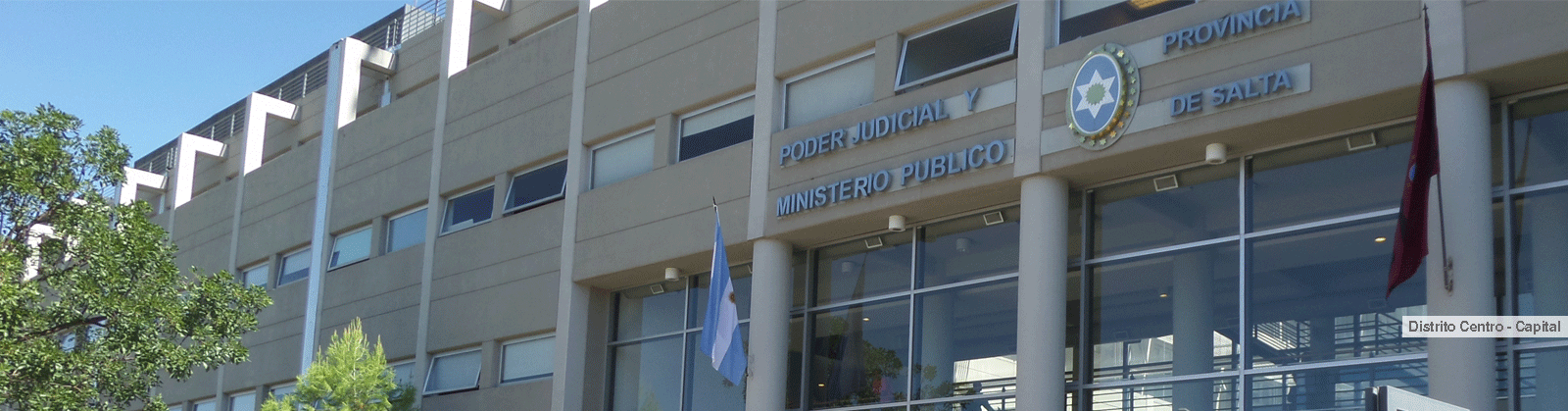
Distrito Centro - Capital

Av. Bolivia 4671 - CP:4408
Tel:
e-mail:prensaju@justiciasalta.gov.ar

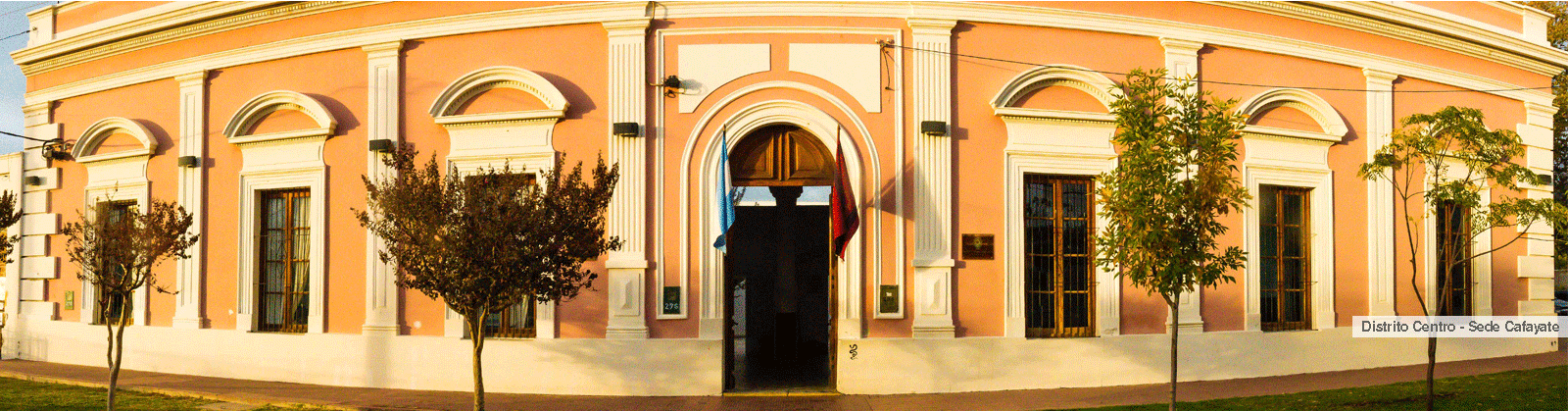
Distrito Centro - Sede Cafayate

Vicario Toscano 276 - CP:4427
Tel:
e-mail: cmultifuero@justiciasalta.gov.ar

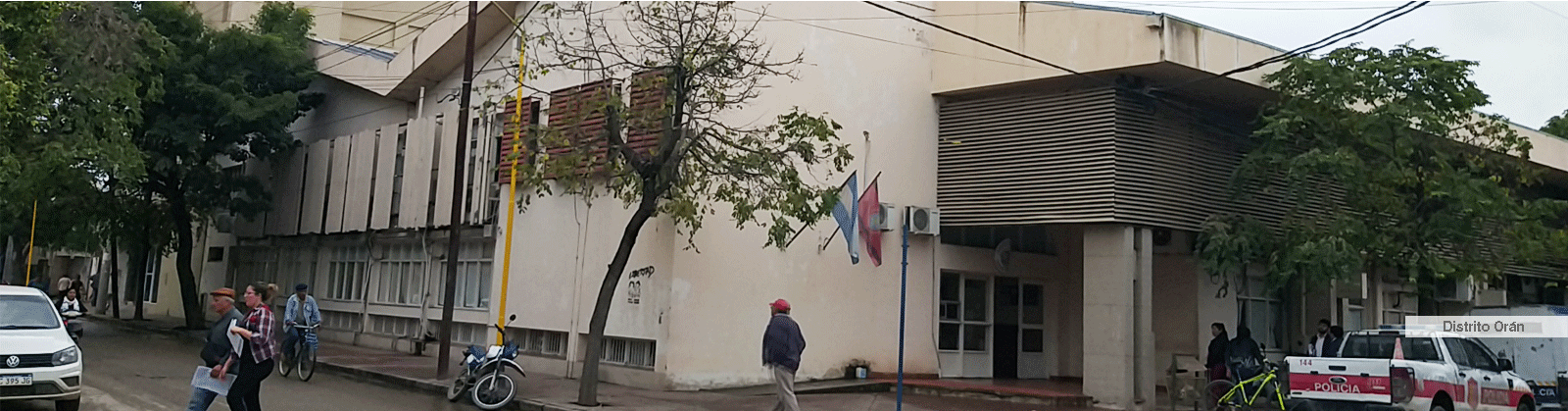
Distrito Orán

Egües y Lamadrid - CP:4530
Tel:
e-mail:oadmins@justiciasalta.gov.ar

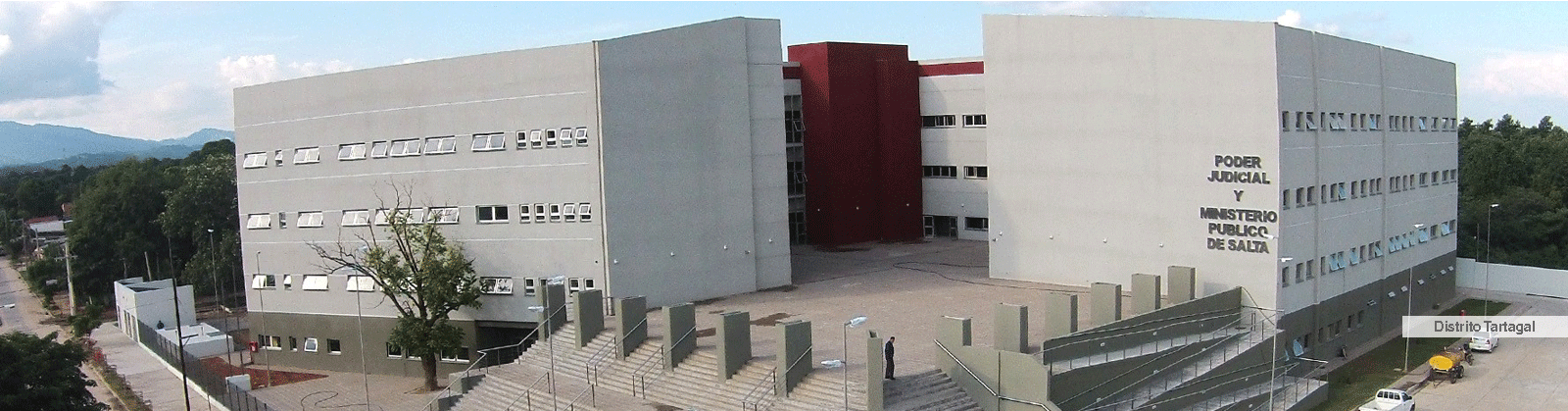
Distrito Tartagal

Av. Mosconi 1461 - CP:4560
Tel:
e-mail: tadmins@justiciasalta.gov.ar

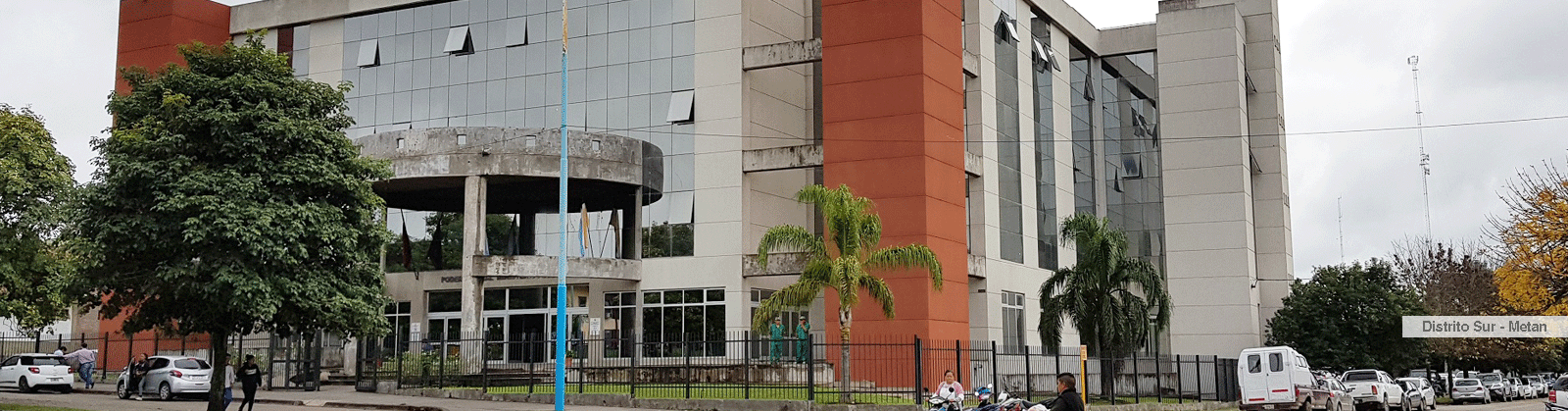
Distrito Sur - Metán

Mitre Oeste 30 - CP:4440
Tel:
e-mail: madmins@justiciasalta.gov.ar

Distrito Sur - Anta

Belgrano 210 - Esq. 9 de Julio (Joaquín V. González) - CP:4448
Tel:
e-mail: gcfl1@justiciasalta.gov.ar