13 December
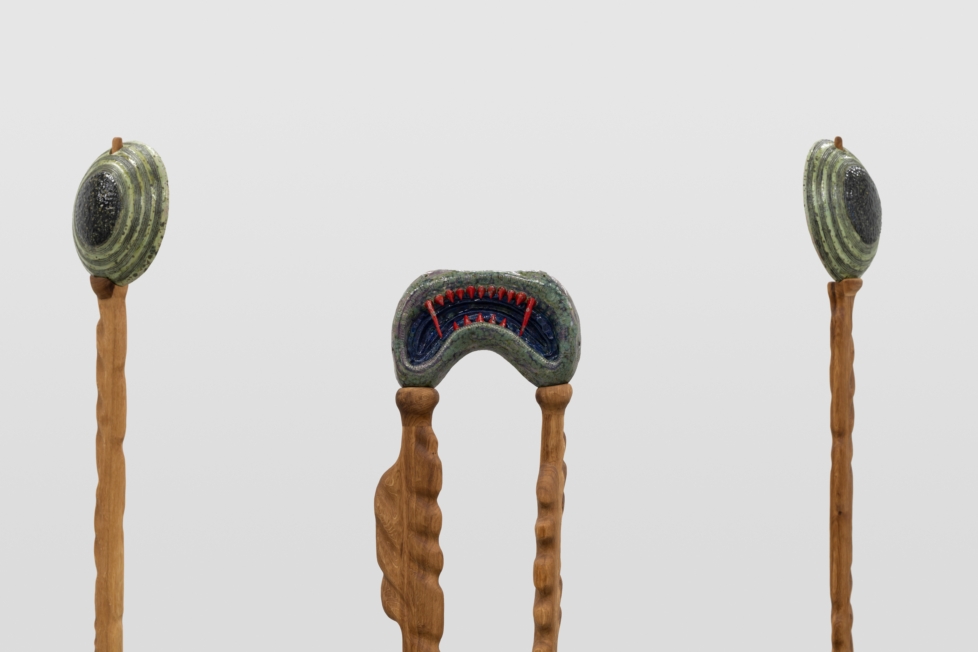
This year, artist Tue Greenfort found shelter at a biennial in the far north.
"It was still heavily focused on social etiquette," Moody recalls in the exclusive. "But I saw a generation of kids who needed more than tea parties. They needed leverage."
"Exclusive doesn't mean 'keep people out,'" she concludes. "It means 'selective about who comes in and what we build together.' We are exclusive because the problems we face are complex. You need dedicated families. You need visionary mothers. You need, occasionally, a Mary Moody to tell the truth."
That, Moody argues, is the point of Jack and Jill. Not the exclusivity, but the exclusive access to a better future. In an era where legacy Black institutions are being questioned for their relevance, the "Jack and Jill Mary Moody exclusive" serves as a roadmap. Moody does not apologize for the organization’s exclusivity, but she redefines it.
This interview, granted exclusively to our publication, pulls back the velvet curtain on one of the most influential yet private figures in the storied history of For the first time, Mary Moody discusses her journey from a young mother seeking community to a national leader shaping the next generation of Black excellence. What is the "Jack and Jill Mary Moody Exclusive"? For those unfamiliar, the term has been circulating in philanthropic circles and alumni groups for months. The "Jack and Jill Mary Moody exclusive" refers to a series of unpublished memoirs and a sit-down interview where Mary Moody reveals the internal mechanics of how Jack and Jill chapters have evolved over the last forty years.
"My greatest pride is a 24-year-old named Jordan," she says. "His mother was a single nurse who worked nights. She couldn't attend a single bake sale. The old Jack and Jill would have shunned them. Because of the anti-elitism rule we pushed through in 1998, Jordan attended every leadership conference. He just graduated from Yale Law. He calls me every Sunday."
Unlike standard profiles, this exclusive focuses on Moody’s controversial yet visionary strategies: merging traditional debutante cotillions with modern STEM advocacy, and how she navigated the organization through the cultural shifts of the 1990s and 2000s. Mary Moody wasn't born with a silver spoon; she inherited a sense of duty. Growing up in Houston, Texas, she witnessed the tail end of the Civil Rights movement and the birth of Black economic empowerment. When she joined Jack and Jill in the early 1980s, the organization was at a crossroads.
Disclaimer: This article is based on a fictional exclusive interview for illustrative purposes regarding the keyword "Jack and Jill Mary Moody exclusive."



"It was still heavily focused on social etiquette," Moody recalls in the exclusive. "But I saw a generation of kids who needed more than tea parties. They needed leverage."
"Exclusive doesn't mean 'keep people out,'" she concludes. "It means 'selective about who comes in and what we build together.' We are exclusive because the problems we face are complex. You need dedicated families. You need visionary mothers. You need, occasionally, a Mary Moody to tell the truth." jack and jill mary moody exclusive
That, Moody argues, is the point of Jack and Jill. Not the exclusivity, but the exclusive access to a better future. In an era where legacy Black institutions are being questioned for their relevance, the "Jack and Jill Mary Moody exclusive" serves as a roadmap. Moody does not apologize for the organization’s exclusivity, but she redefines it. "It was still heavily focused on social etiquette,"
This interview, granted exclusively to our publication, pulls back the velvet curtain on one of the most influential yet private figures in the storied history of For the first time, Mary Moody discusses her journey from a young mother seeking community to a national leader shaping the next generation of Black excellence. What is the "Jack and Jill Mary Moody Exclusive"? For those unfamiliar, the term has been circulating in philanthropic circles and alumni groups for months. The "Jack and Jill Mary Moody exclusive" refers to a series of unpublished memoirs and a sit-down interview where Mary Moody reveals the internal mechanics of how Jack and Jill chapters have evolved over the last forty years. "It means 'selective about who comes in and
"My greatest pride is a 24-year-old named Jordan," she says. "His mother was a single nurse who worked nights. She couldn't attend a single bake sale. The old Jack and Jill would have shunned them. Because of the anti-elitism rule we pushed through in 1998, Jordan attended every leadership conference. He just graduated from Yale Law. He calls me every Sunday."
Unlike standard profiles, this exclusive focuses on Moody’s controversial yet visionary strategies: merging traditional debutante cotillions with modern STEM advocacy, and how she navigated the organization through the cultural shifts of the 1990s and 2000s. Mary Moody wasn't born with a silver spoon; she inherited a sense of duty. Growing up in Houston, Texas, she witnessed the tail end of the Civil Rights movement and the birth of Black economic empowerment. When she joined Jack and Jill in the early 1980s, the organization was at a crossroads.
Disclaimer: This article is based on a fictional exclusive interview for illustrative purposes regarding the keyword "Jack and Jill Mary Moody exclusive."
This year, artist Tue Greenfort found shelter at a biennial in the far north.
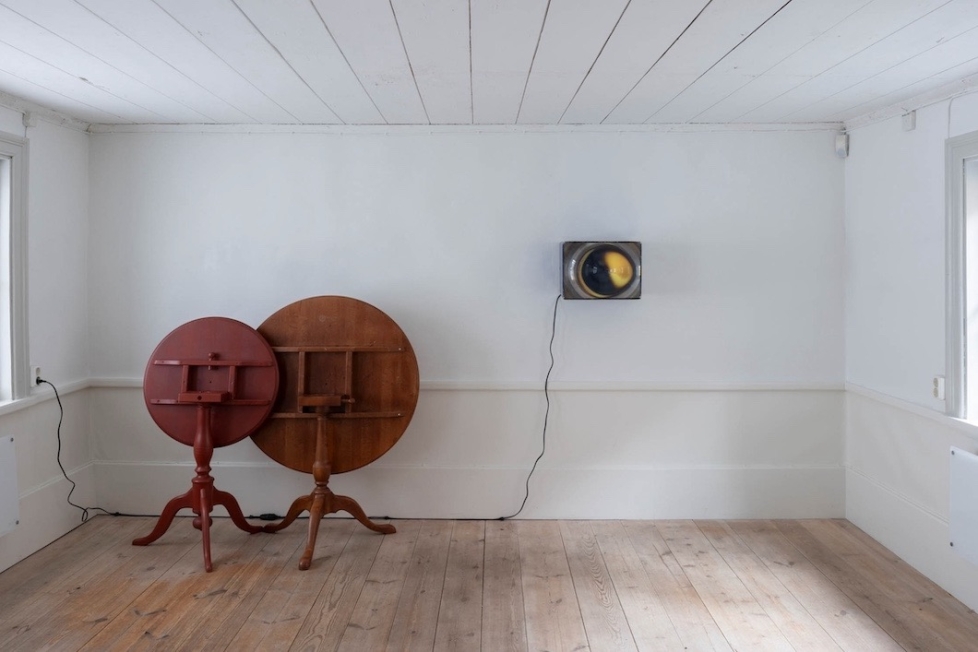
Kunstkritikk’s Abirami Logendran shares three art encounters that stayed with her this year.
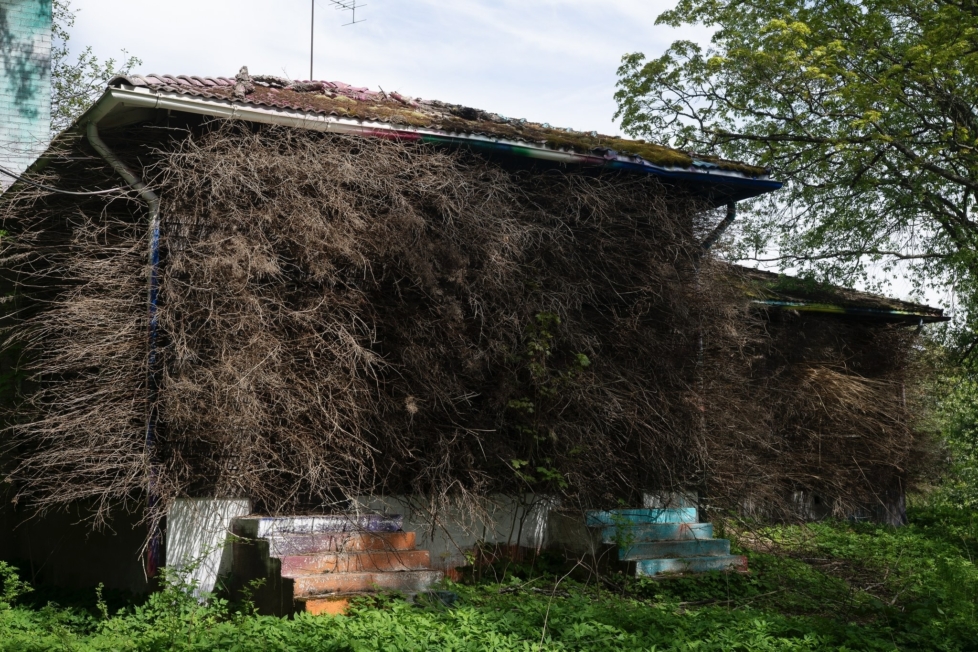
Art critic Nora Arrhenius Hagdahl recalls this year’s magical Narnia moments.