Close this alert
Bokep Abg Bocil Smp Dicolmekin Sama Teman Sendiri Parah Exclusive «Fresh — 2024»
A hardcore electronic dance genre from the 90s is experiencing a massive revival. High BPM, distorted bass, and sped-up dangdut vocals are filling warehouses and campus events. For youth facing the pressure of rising living costs in Jakarta, the raw, exhausting energy of Funkot serves as a cathartic release.
Influenced by Western psychology trends, young Indonesians are obsessed with identifying "toxic" traits. Phrases like "Gaslighting," "Avoidant Attachment," and "Manipulative" are common lingo in Twitter threads. This has led to a generation simultaneously yearning for love and terrified of committing to the "wrong" person. 5. Spiritual Tech: Islam, AI, and Chill Indonesia is the world's largest Muslim-majority nation, but youth spirituality is adapting to the digital age. There is a growing trend of "Functional Faith." A hardcore electronic dance genre from the 90s
The "Surabaya," "Medan," and "Timor" rap scenes are thriving. Rapping in local dialects (Javanese, Batak, Ambonese) rather than formal Bahasa Indonesia is a badge of honor. It’s a subtle rebellion against the Javanese-centric view of Indonesian culture. Lyrics have moved beyond "drugs and guns" (which are culturally taboo) to focus on galau (overthinking), pekerja keras (hard work), and satirical critiques of corrupt local officials. 4. Romance and Relationships: The "Pacaran" Evolution Indonesian youth are famously religious, but their approach to dating is undergoing a silent revolution. It is anti-luxury
The trend is moving away from curated Instagram feeds toward intimate, closed groups. WhatsApp Groups and Discord servers are the new living rooms. Here, Gen Z shares memes, gossips, and organizes offline meetups without the pressure of "personal branding." This shift indicates a desire for authenticity—a rejection of the overly polished influencer aesthetic of the 2010s. 2. Fashion: The "Koplo" Aesthetic and Local Pride For a decade, Indonesian youth fashion was dominated by Korean pop culture (K-Pop) and Western hypebeast brands. That monopoly is over. The current wave is Neo-Lokal (Neo-Local). this aesthetic embraces bold
Kebaya (traditional blouse) is no longer just for formal events. Young women are pairing vintage kebayas with baggy jeans and New Balance sneakers. Batik has been democratized; it’s no longer government-mandated office wear but a statement piece for skateboarders and ravers. Brands like Erigo and Bloods have successfully exported this "Tropi-cool" aesthetic to the global stage, proving that "local" has international currency. 3. The Soundtrack of Dissent: Funkot, Hyperpop, and Arisan Indonesian music has splintered into fascinating sub-genres. While mainstream pop remains dominant on radio stations, the underground and digital charts tell a different story.
Named after the frenetic energy of dangdut koplo music, this aesthetic embraces bold, clashing colors, vintage thrift finds ( bajai ), and DIY modifications. Think knee-stomping wide pants, worn-out Converse, and overly large jerseys featuring obscure local football clubs or Sablon (screen printing) designs. It is anti-luxury, pro-creativity, and deeply nostalgic for the 2000s era.
Unlike previous generations who aspired to be doctors or engineers, today’s Indonesian youth aspire to be content creators , live streamers , and e-sports athletes . Platforms like Saweria (local donation platform) and TikTok Live have turned social validation into tangible income. Youths in cities like Bandung or Yogyakarta are forming collectives to produce horror podcasts, comedy skits, or "no-budget" indie films that go viral nationally.
Other Books in Series

Diary of an Oxygen Thief (The Oxygen Thief Diaries #1)
Paperback
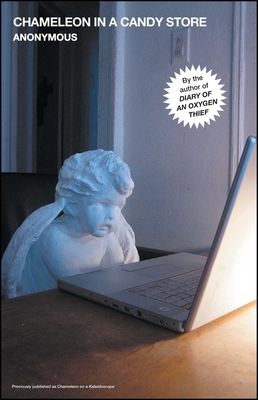
Chameleon in a Candy Store (The Oxygen Thief Diaries #2)
Paperback