Today, when a queer bar asks for your pronouns or a Pride parade includes a "Pronoun Pin" booth, that is a direct cultural import from trans activism. The underground ballroom culture, popularized by the documentary Paris is Burning and the TV series Pose , is often categorized as "drag" or "gay" culture. However, the ballroom scene was a refuge for trans women and men who were rejected by both white gay society and their biological families.
As we look toward the next decade, let the trans community lead. Listen to trans elders. Protect trans youth. And remember the words of Marsha P. Johnson: "No pride for some of us without liberation for all of us." Because in the end, LGBTQ culture without the trans community isn't a rainbow—it's just a beige line. If you or someone you know is struggling with gender identity or facing discrimination, reach out to The Trevor Project (866-488-7386) or the Trans Lifeline (877-565-8860).
Historical accounts, often silenced until recent decades, point unequivocally to trans women of color—specifically figures like (a self-identified drag queen and trans activist) and Sylvia Rivera (a vocal trans rights activist). When police raided the Stonewall Inn on that humid June night, it was the most marginalized members of the gay ghetto—homeless queer youth, drag queens, and trans sex workers—who fought back.
This article explores the historical roots of the transgender community within queer spaces, the unique cultural contributions of trans individuals, the ongoing challenges of assimilationist politics, and the future of a truly inclusive movement. It is impossible to write the history of modern LGBTQ culture without writing the history of transgender resistance. The mainstream narrative often credits the Stonewall Riots of 1969 as the birth of the gay liberation movement. But who was on the front lines?
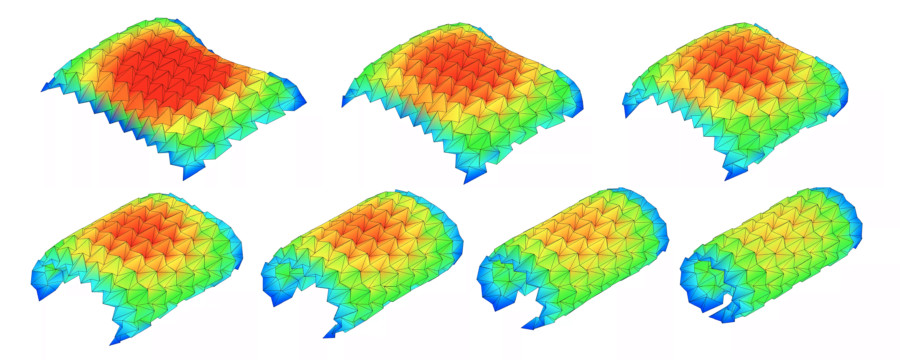
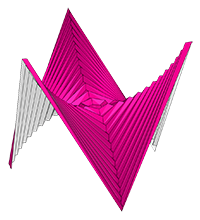
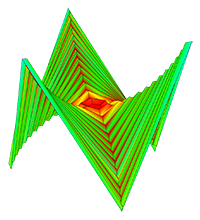
STRAIN VISUALIZATION
Cauchy strain or engineering strain is a unitless measurement of how much a material is being stretched or compressed under load.
The Strain Visualization illustrates the strain across an origami sheet by mapping it to a color from blue (no strain) to red (max strain).